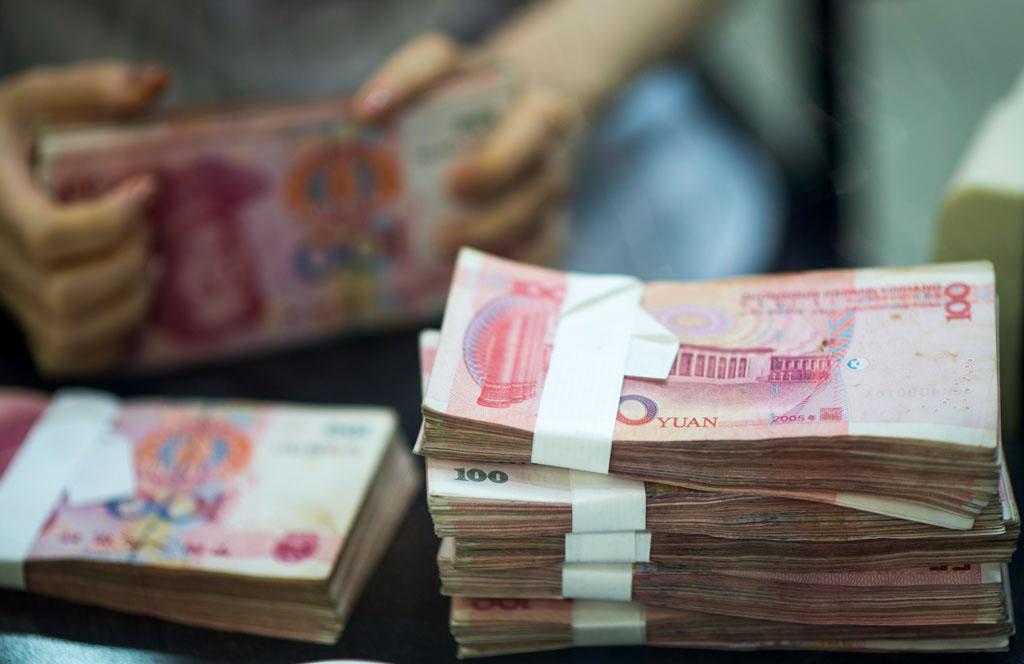

Experts said the yuan won’t be able to displace the U.S. dollar.

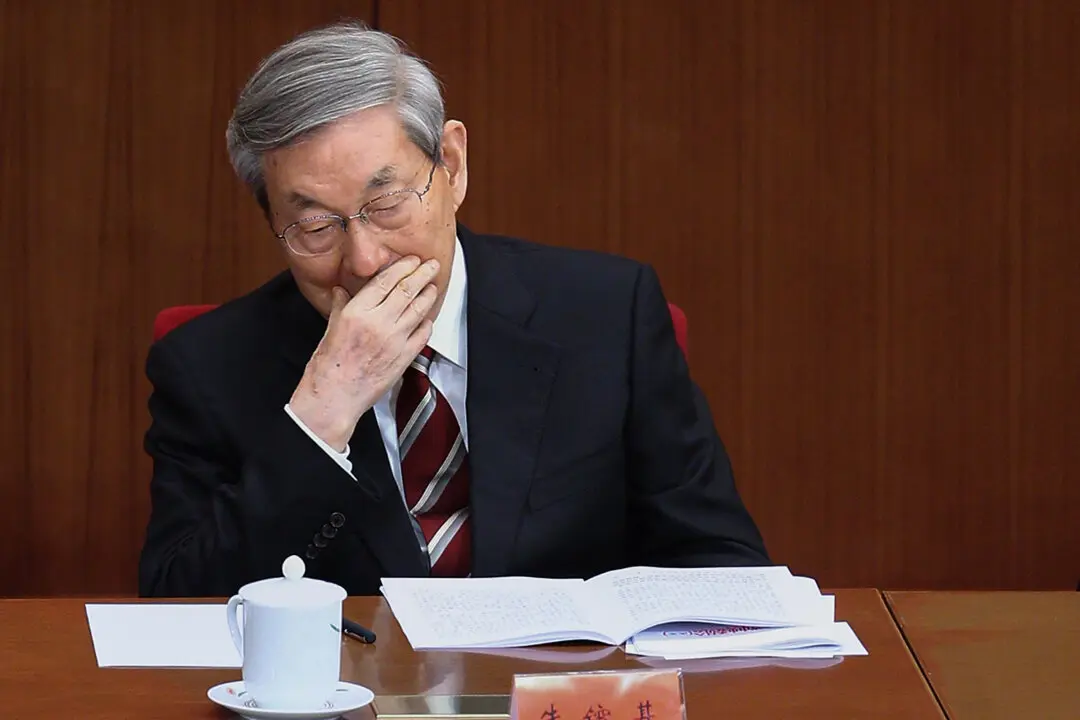
The CCP fears public mourning for the reform-era leader could become an outlet for broader expression of dissatisfaction with the regime, an insider said.

Data-driven tax enforcement is making it harder for companies to reduce labor costs as weak demand and thin margins pressure China’s small businesses.
The reform-era premier’s death comes as the regime prepares for its Fifth Plenum, fueling speculation over whether his legacy could become a symbol of dissent.
Xia Fugang’s manhunt in Henan sparked online sympathy, not outrage—reviving debate over the failure of China’s legal system for people who seek justice.

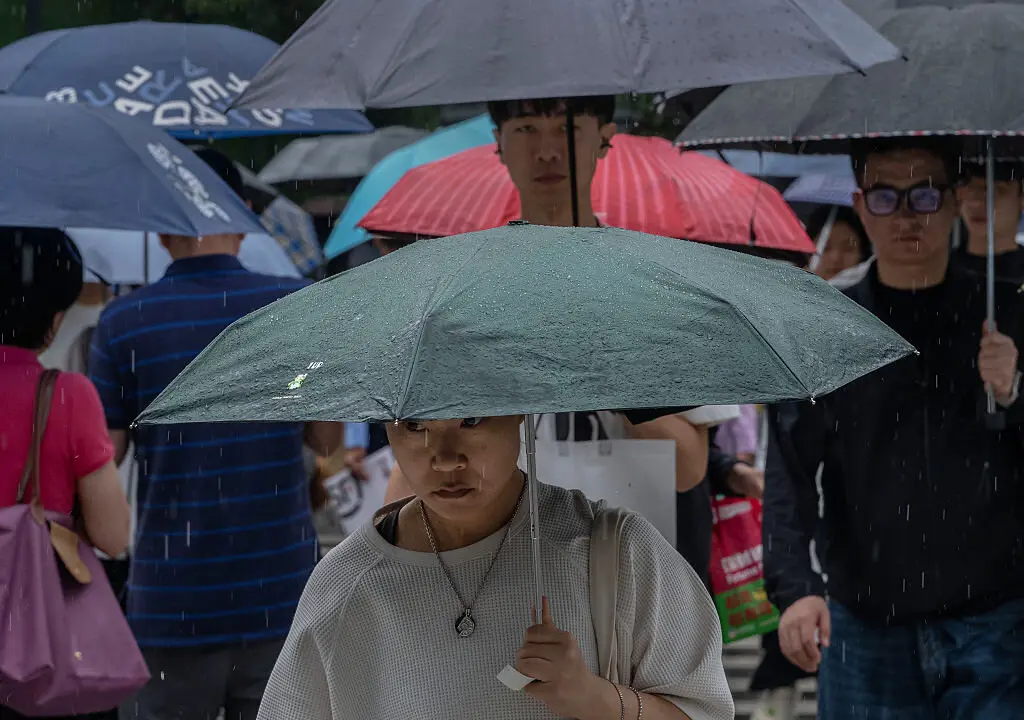
Typhoon Dolphin’s remnants push north, bringing torrential rain to Beijing, Tianjin, Hebei, and Henan, with tens of thousands evacuated.
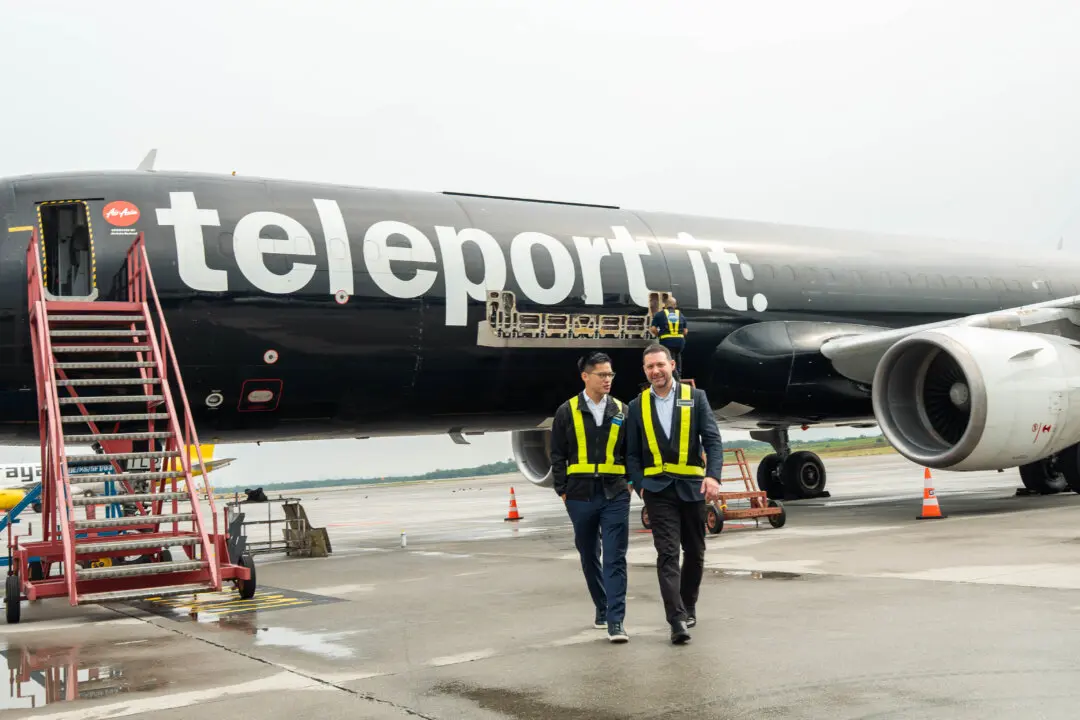
A new air freight deal with AirAsia’s logistics arm will turn Avalon Airport into a major gateway for Asian goods from e-commerce giants.
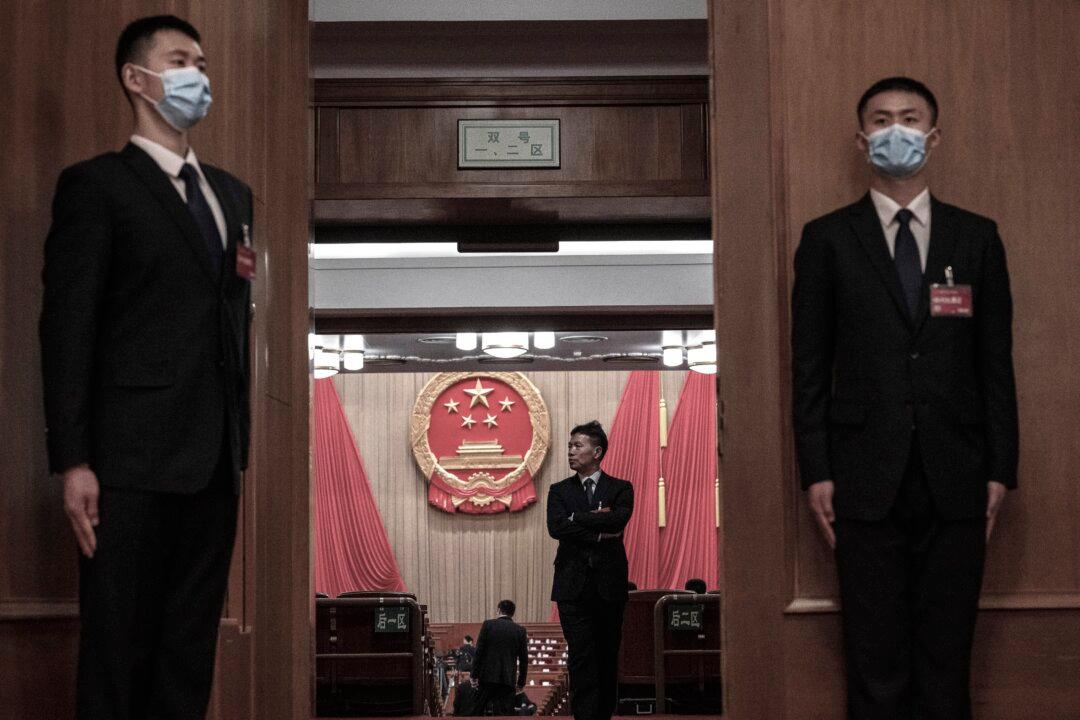
The exercise included at-sea replenishment, which could help Beijing sustain naval deployments beyond the first island chain, an insider said.

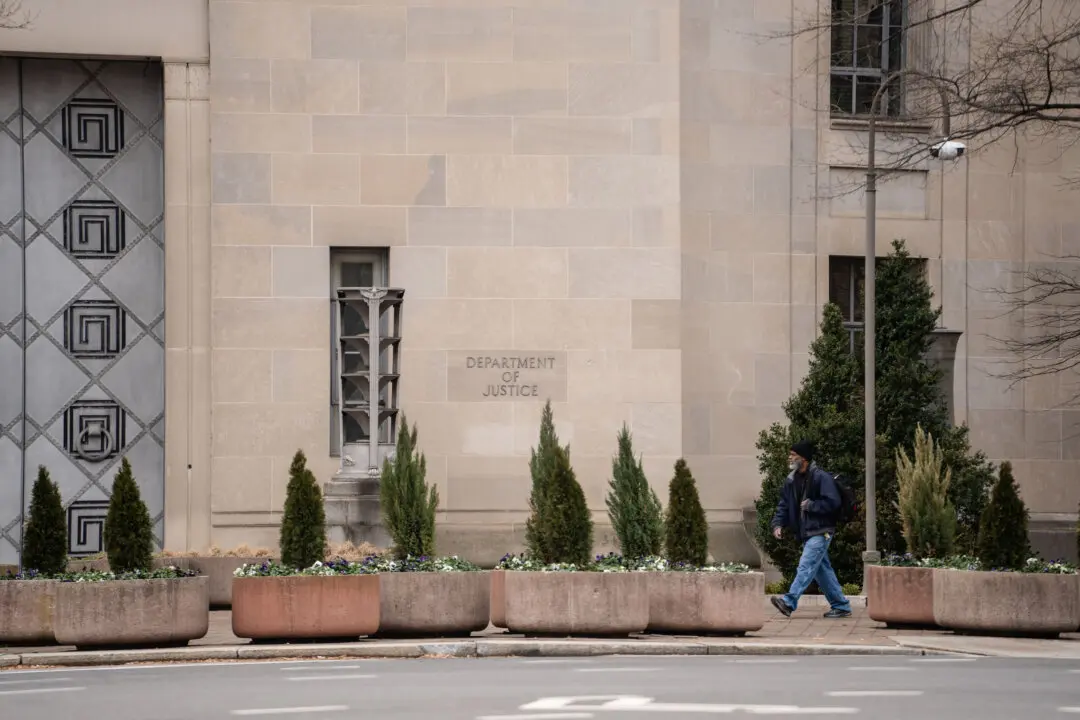
The Justice Department has announced one of the largest marriage fraud cases in U.S. history, involving more than a thousand Chinese nationals.

Insiders said CCP leaders were beginning to shape the next Party Congress and future policy direction as Beijing sought breakthroughs in AI and semiconductors.
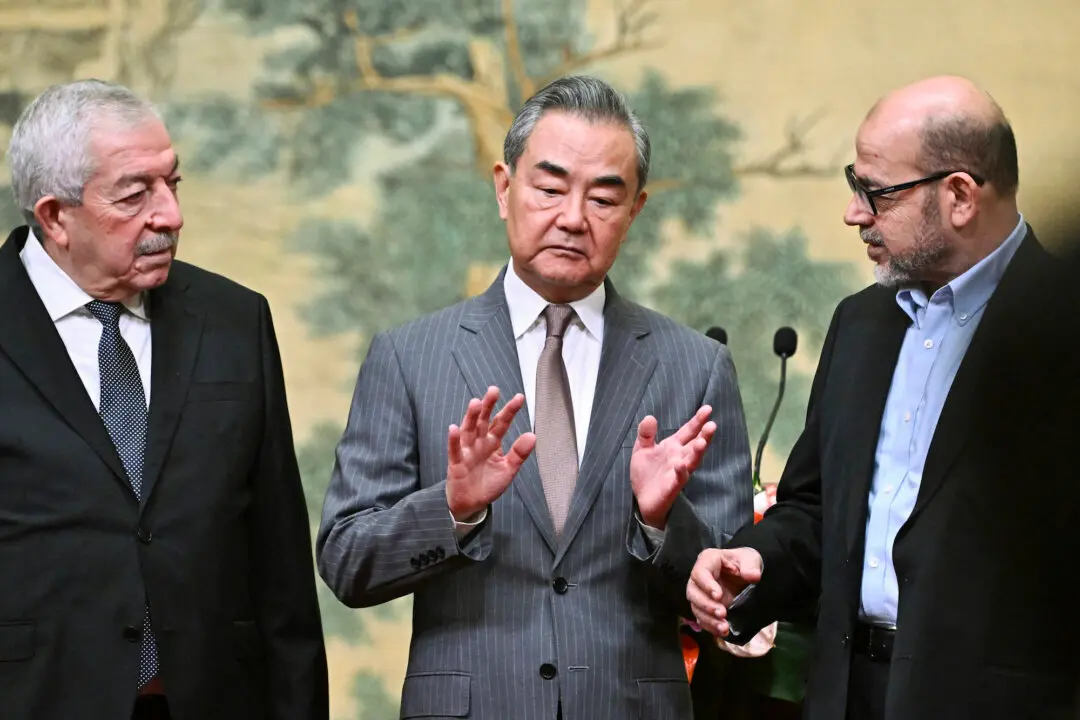
As Israel closes its Chengdu consulate, analysts say bilateral ties with China are shifting from pragmatic cooperation toward strategic distrust.
If convicted, the defendants face 10 years in prison.

Officials in some regions are demanding workers return bonuses and pandemic subsidies paid years ago as local governments struggle with declining revenue.

Zhu, who served as Chinese premier from 1998 to 2003, was a principal architect of China’s accession to the WTO.
One of the suspects was a Chinese national in his 60s.

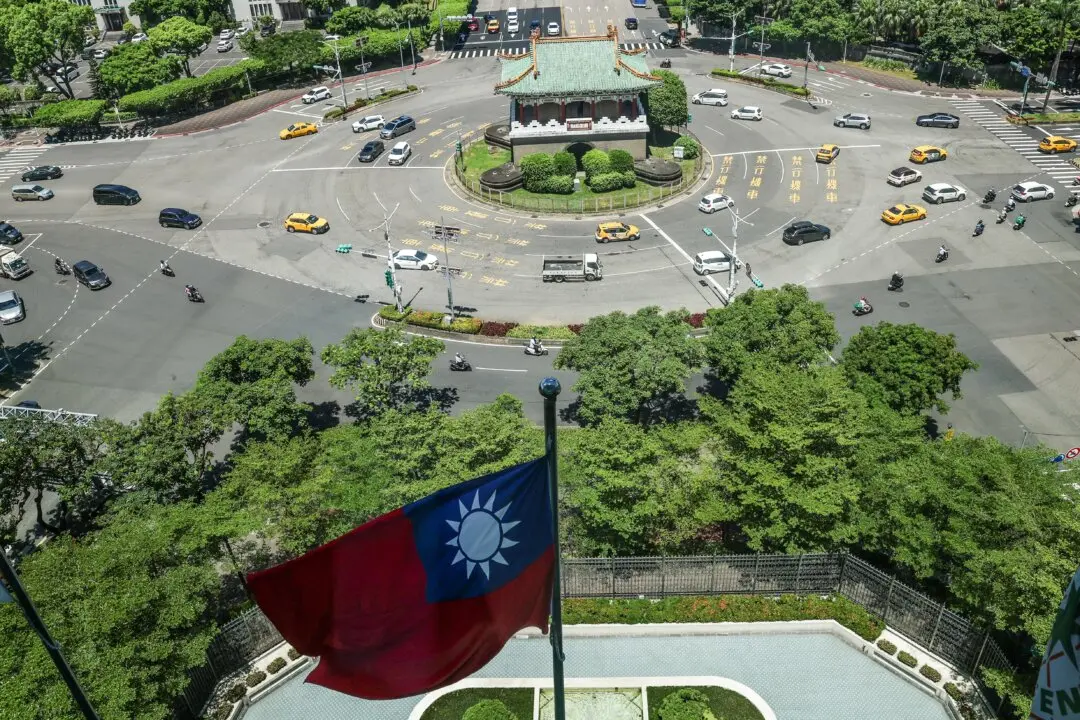
The case has sparked fresh concerns about the CCP’s persistent efforts to influence democratically governed Taiwan from within.
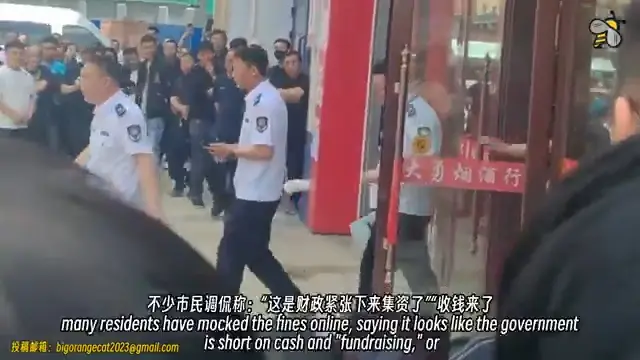
Shop owners described unpredictable standards, unaffordable fines, and warnings that sent entire commercial streets rushing to close.
John Eisenberg, assistant attorney general for national security, said the modems could have been used by China against the United States in the future.