The new ban also aims to hide the backwardness of Chinese weaponry, according to Chinese military scholars and a collector.

Seven lawmakers gave Apple until Aug. 21 to disclose any testing involving the two companies and answer whether it will exclude their chips worldwide.
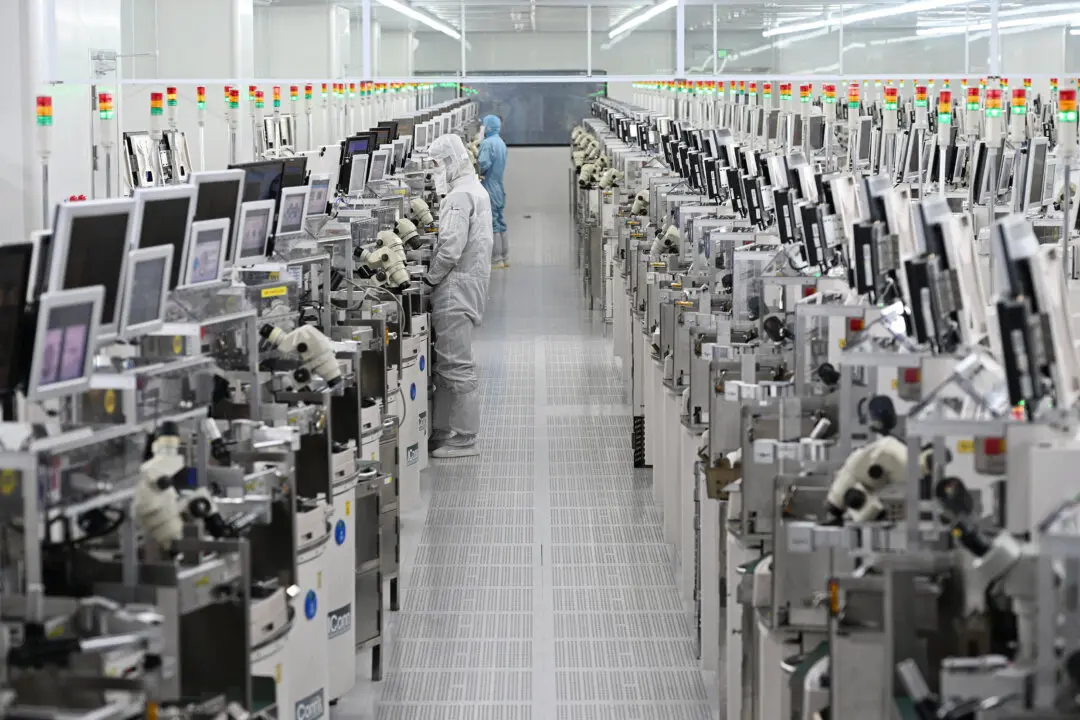
Liang Wenfeng described intense demand for Nvidia processors, the limits of Huawei substitutes, and access to chips he called ‘noncompliant.’
A 6-year-old girl who received an experimental gene editing treatment died seven days into a clinical trial in Shanghai.

Chinese AI developers say internet censorship and political controls block access to overseas models and research despite Xi’s calls for AI openness.
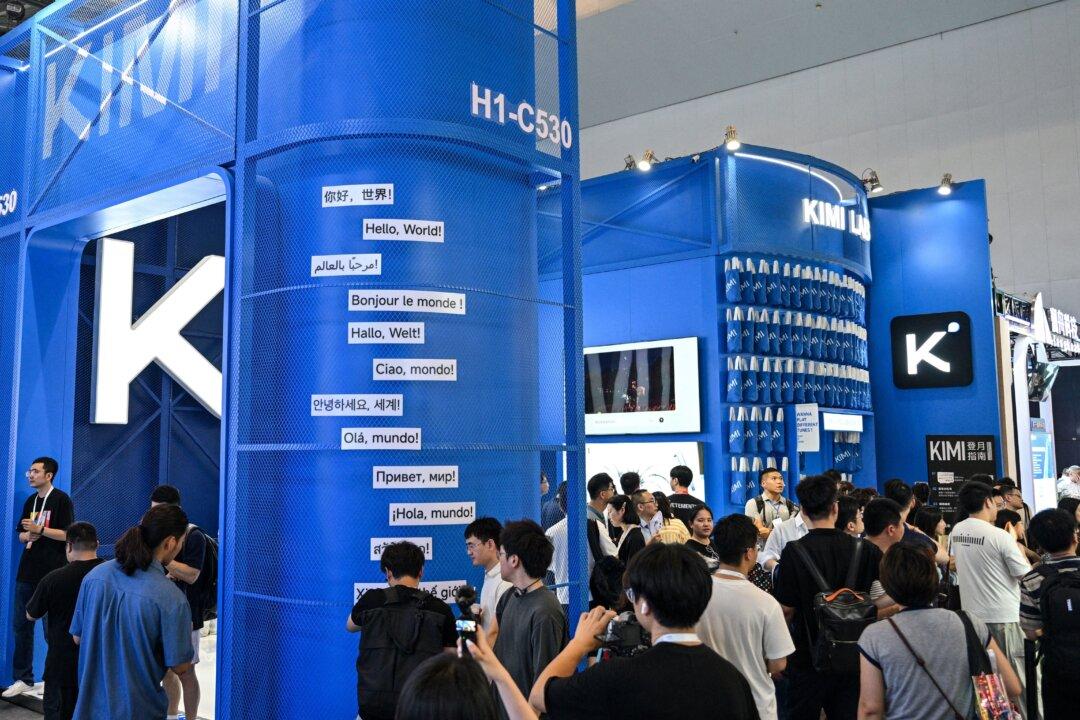
The Treasury secretary said officials had found U.S. model ‘watermarks’ in Chinese systems and would examine the issue within days or weeks.

An internal directive in Shandong Province orders employees to report use of Anthropic’s coding assistant as Beijing expands restrictions on foreign AI.

A PLA insider says the weapon was an upgraded JL-2, as Beijing attempts to signal growing naval strike capabilities to the United States and its allies.

Insiders and scholars say Beijing is integrating trade, technology, and military power to withstand future sanctions and geopolitical conflict.
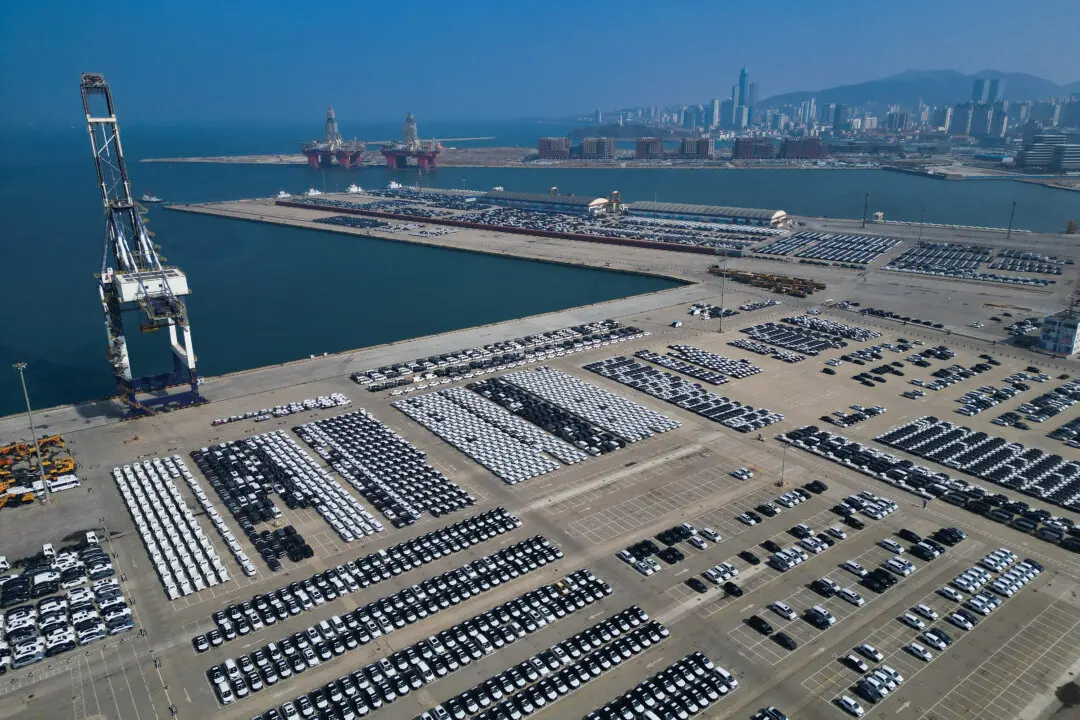
The not-yet-final plan would also make online marketplaces display FCC IDs and could reach third-party electronics they warehouse or ship.
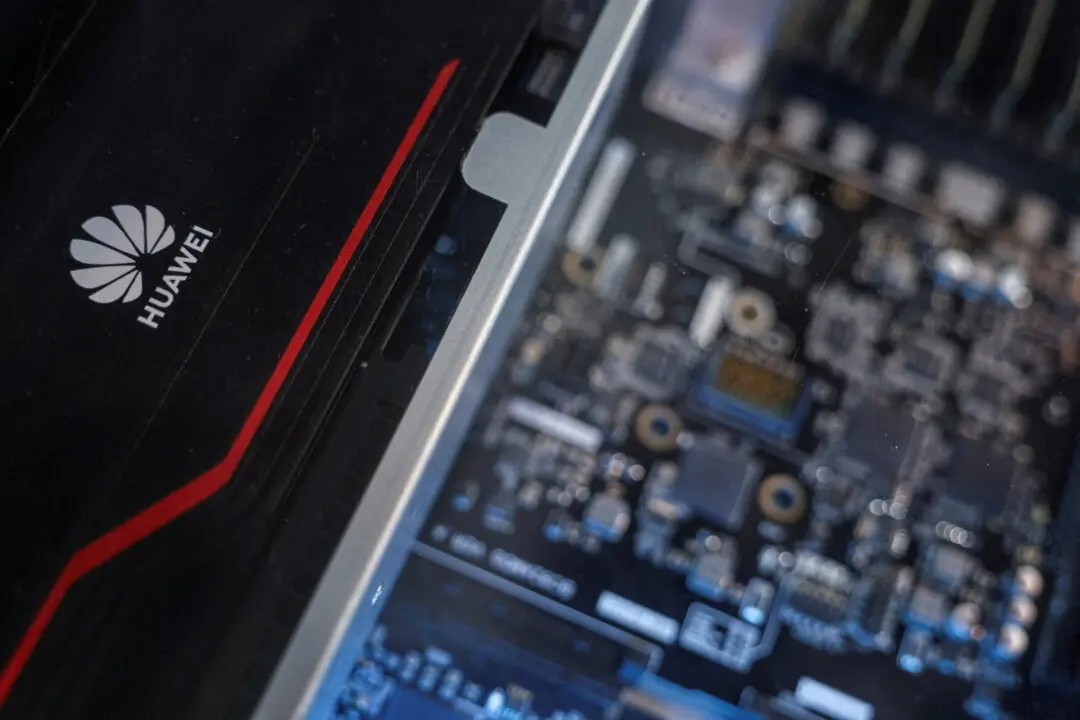
Jensen Huang’s comments come amid a long-running U.S. effort to restrict China’s access to advanced computing chips and systems containing them.
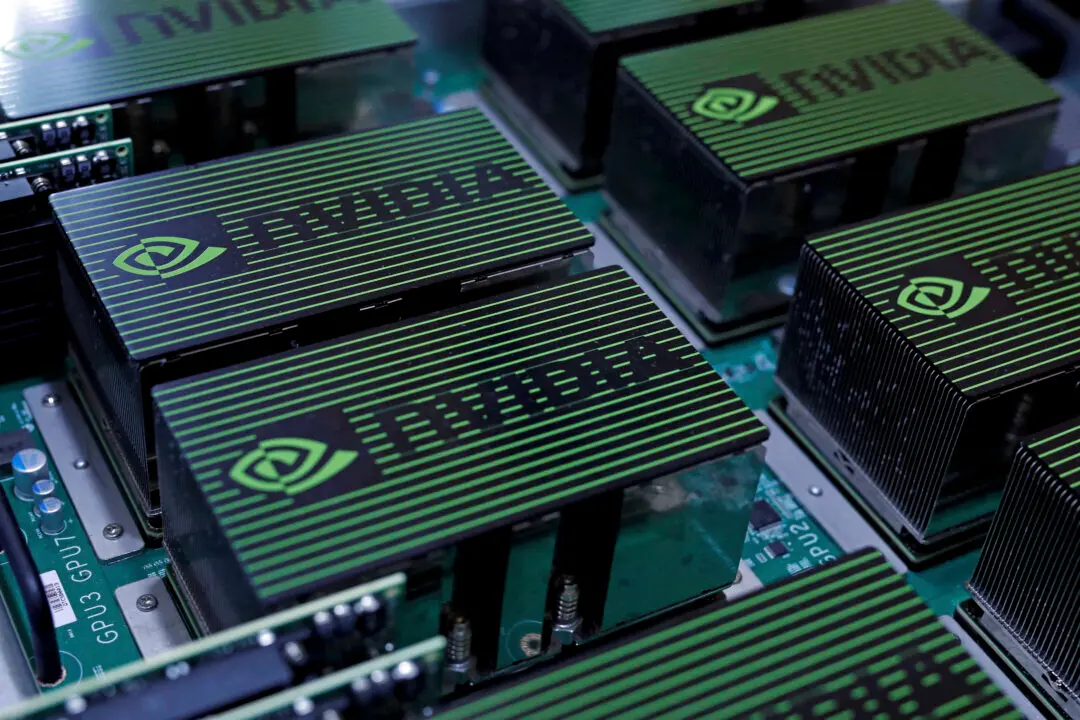
U.S.-led Pax Silica expanded this week as the EU and allies joined to strengthen AI and semiconductor supply chains.

The economic imbalance indicates a vicious cycle that the Chinese economy is facing due to Beijing’s policies and system, according to experts.
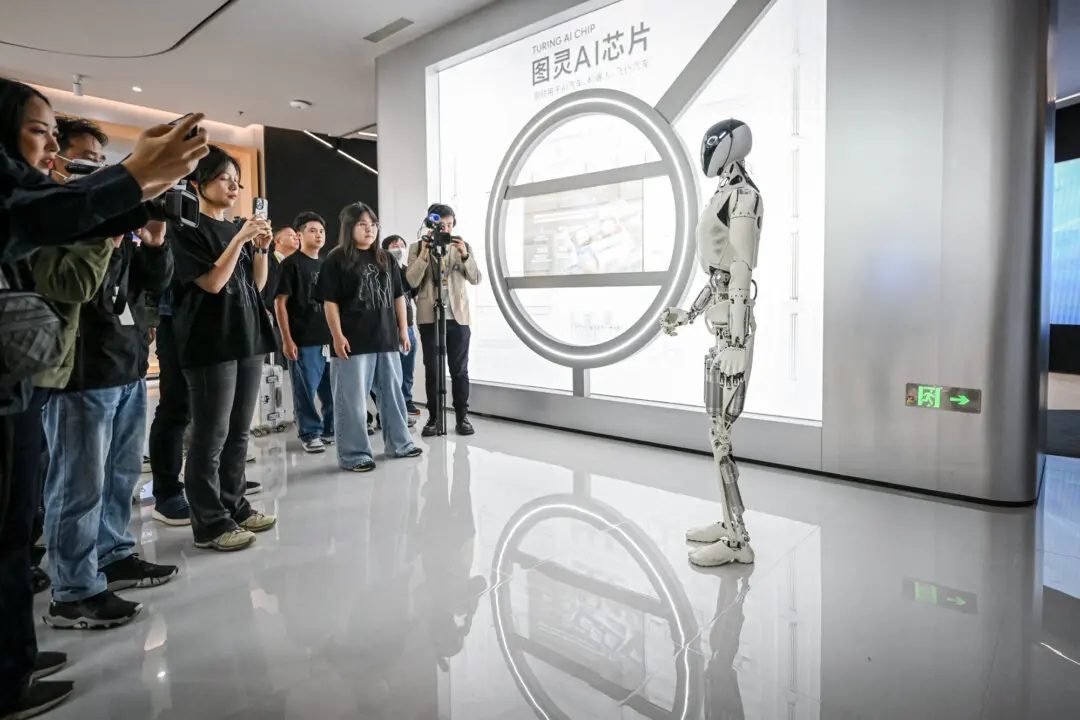
The two individuals have been held by Chinese authorities since May, Japan stated.
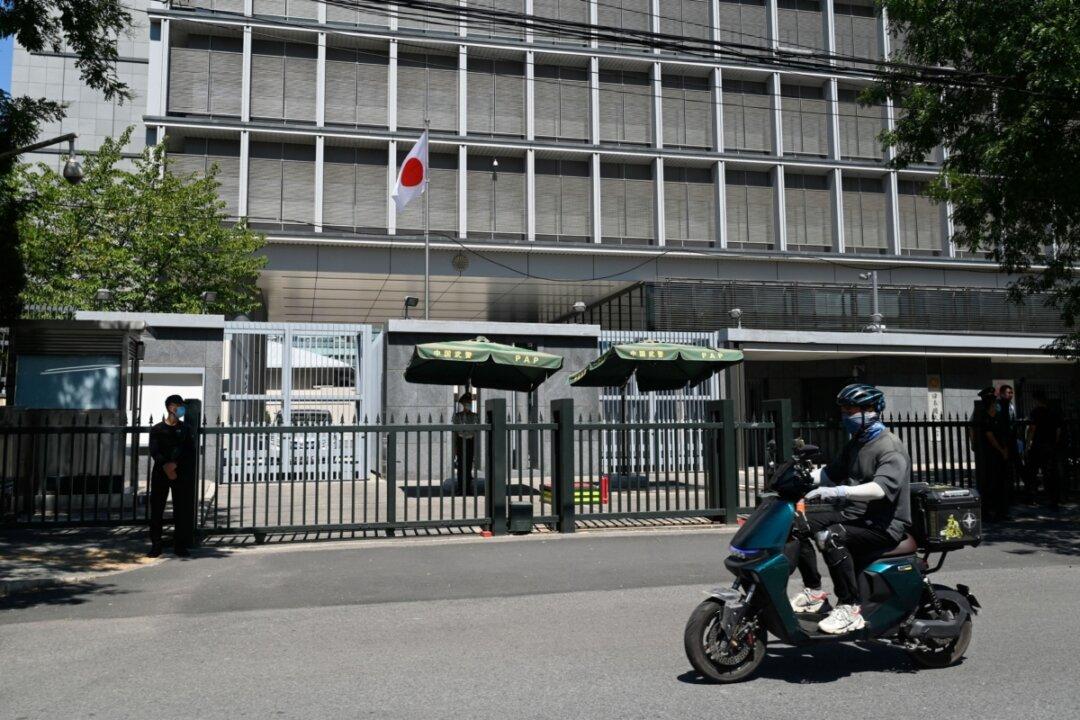
Dutch Trade Minister Sjoerd Sjoerdsma has expressed concern that parts of the bill could affect how allies manage their own policies.
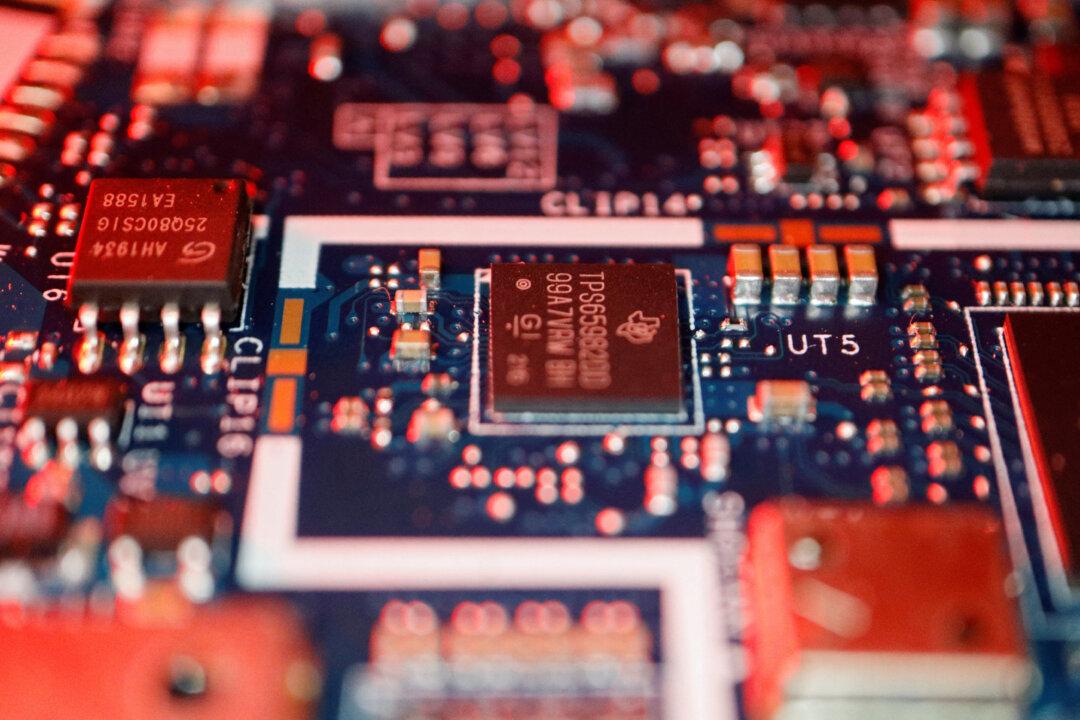
Sens. Warren and Kim said delays in export controls may have let advanced AI chips flow to Chinese firms.

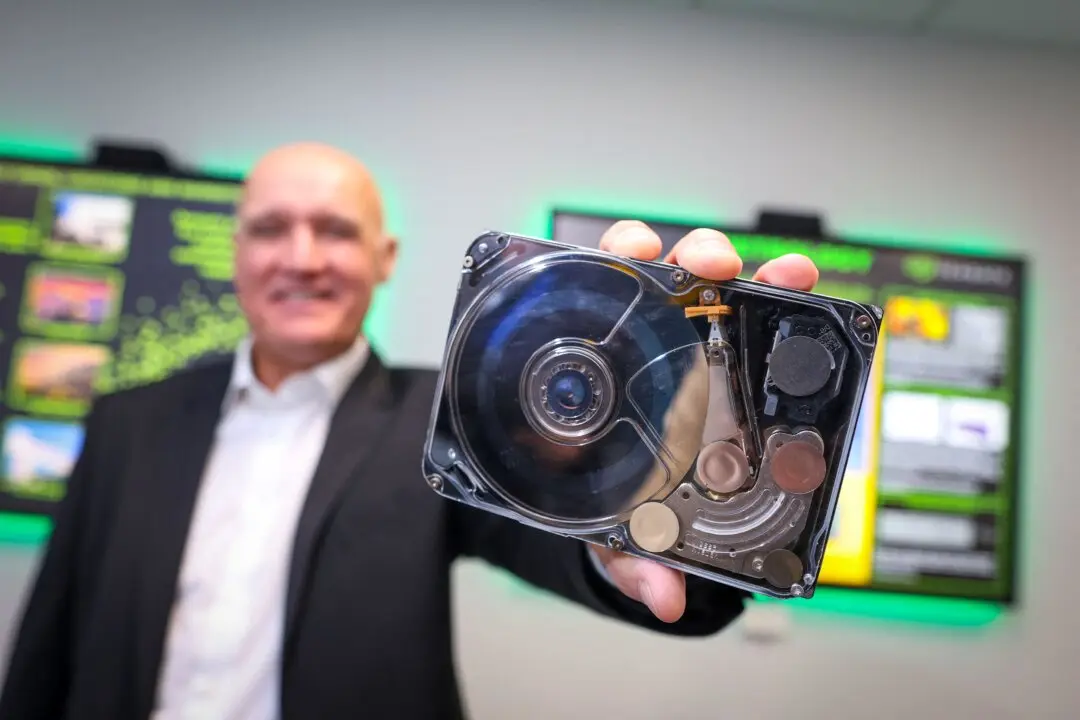
The hard drive maker has agreed to a $175 million payout to resolve a shareholder lawsuit over undisclosed sales to blacklisted Chinese tech firm Huawei.
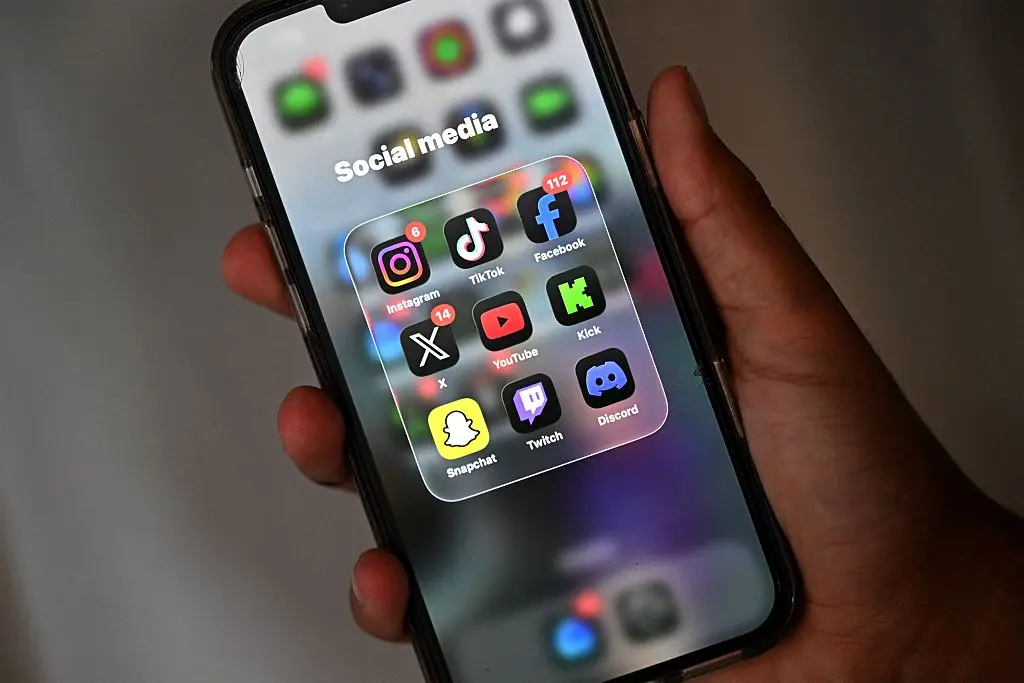
A proposed FY2027 defense bill provision would require the Pentagon to test technologies that reduce troops’ exposure to commercial mobile surveillance.
Dissidents see a rare outlet beyond Beijing’s controls, while an analyst says the effort could yield valuable intelligence.

China-linked accounts used ChatGPT to stir opposition to American AI data centers, OpenAI said in a new threat report.