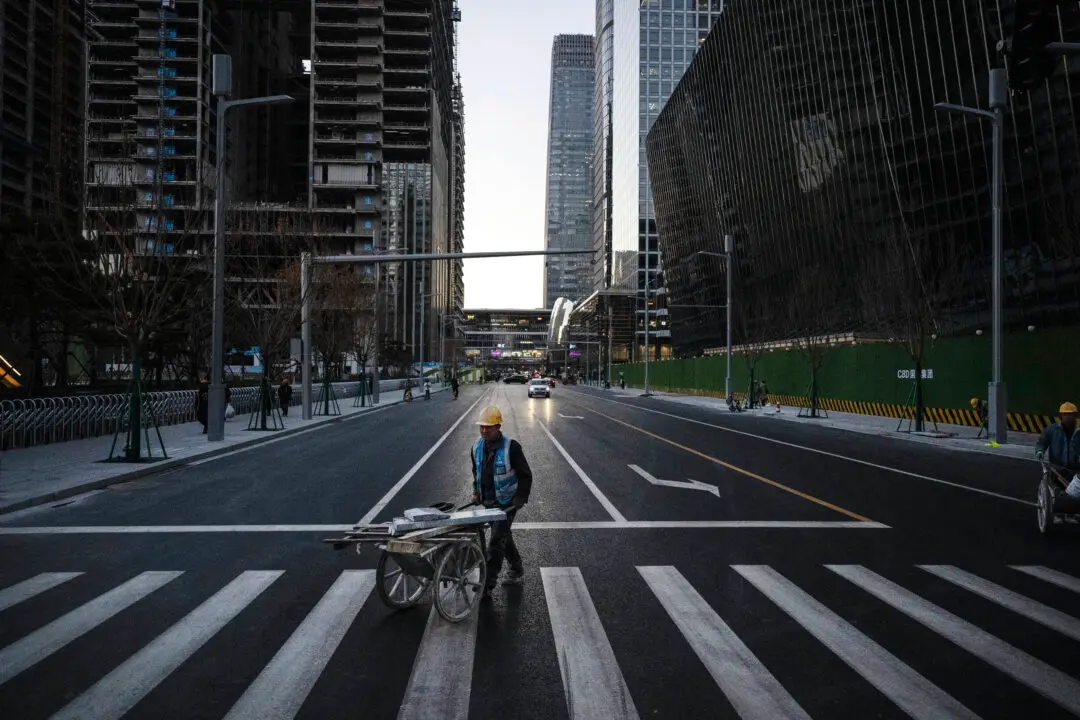
The urge to internationalize the yuan seems to have impelled Beijing to liberalize capital flows it had previously resisted.
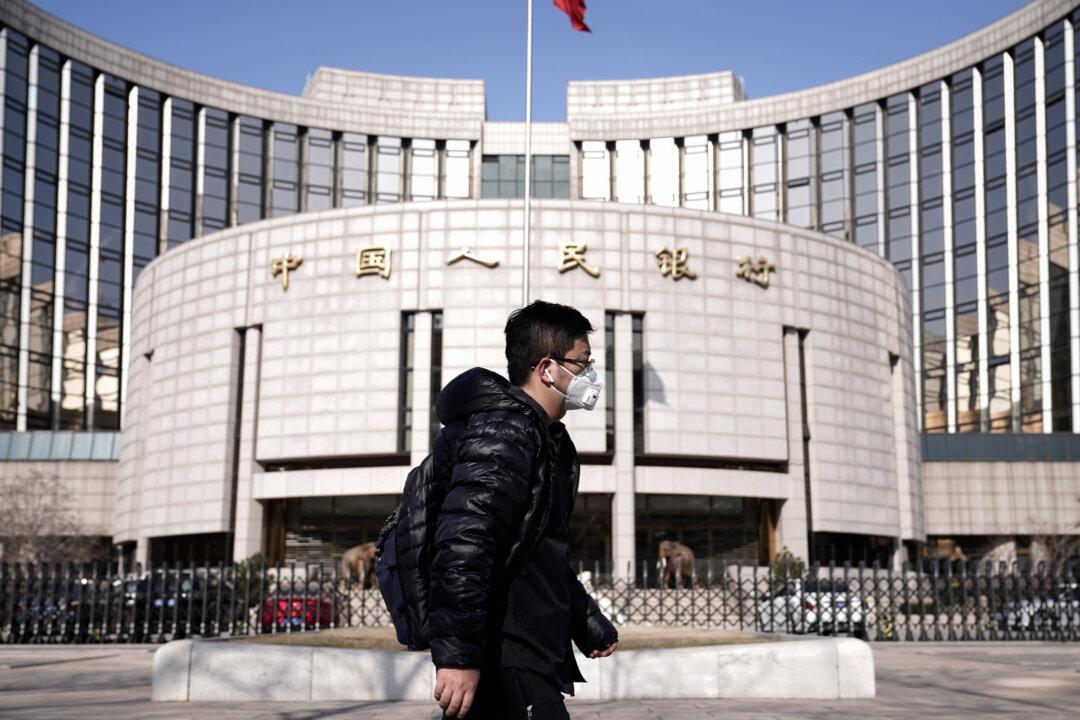
For years now, Beijing has committed itself to increasing consumer spending and failed each time. It looks like it will fail again.
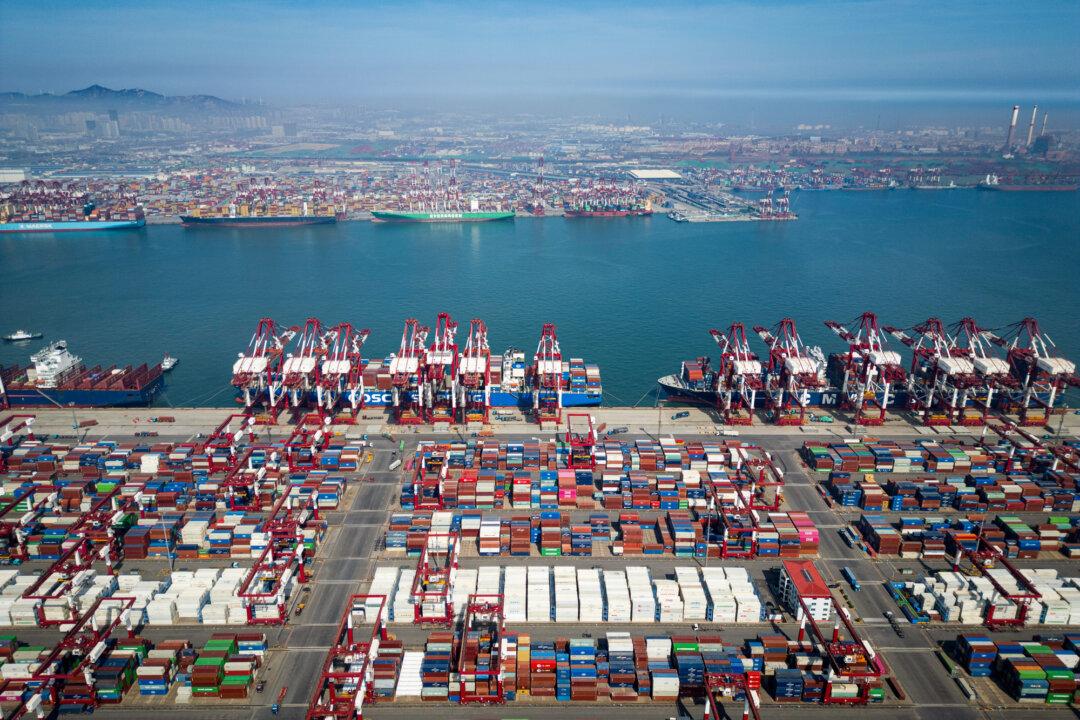
Trump has come back from last winter’s adverse Supreme Court ruling to levy a new round of tariffs, aiming at China in a new way.
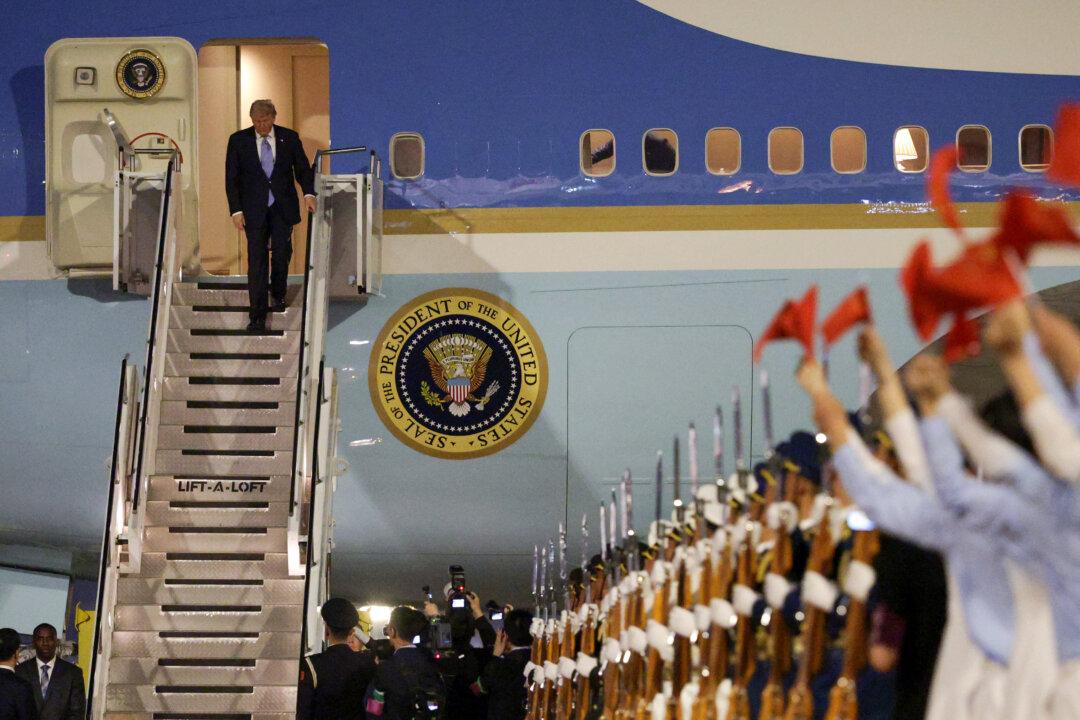
While China and the United States vie for power globally, Beijing seems to have it in for Japan, and Tokyo has yet to responded fully.
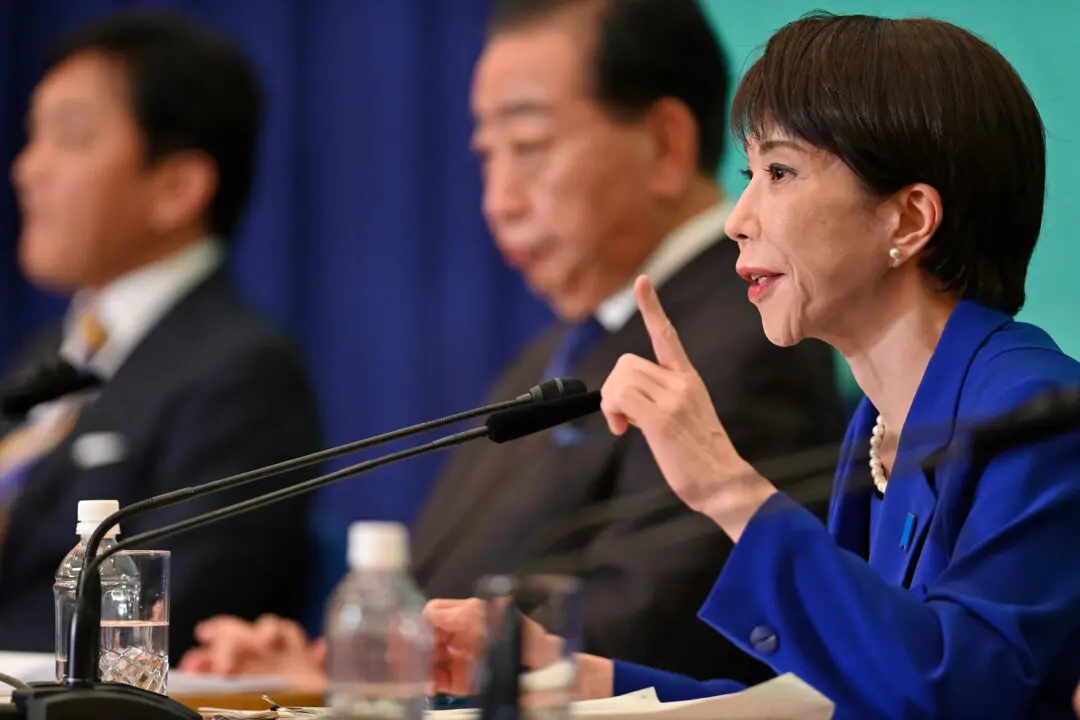
Directing China’s banks to follow political instead of commercial criteria invites a rerun of the property crisis, just in a different sector.
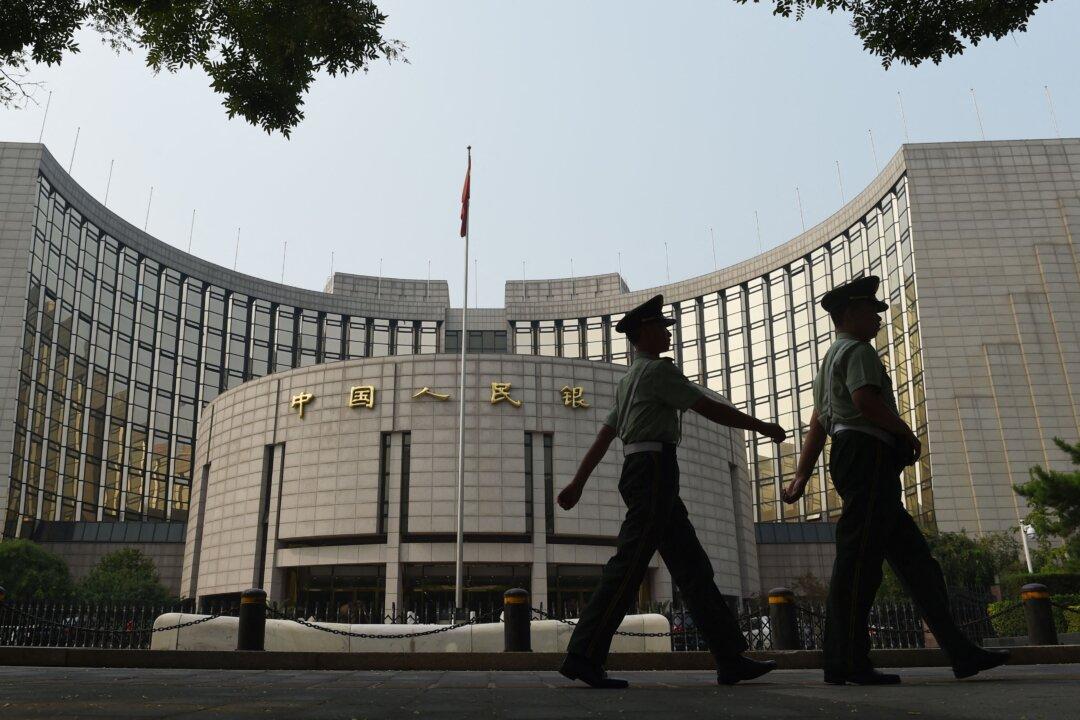
Beijing will have to jump very high hurdles indeed to achieve Chinese self-reliance in the production of critical semiconductors.
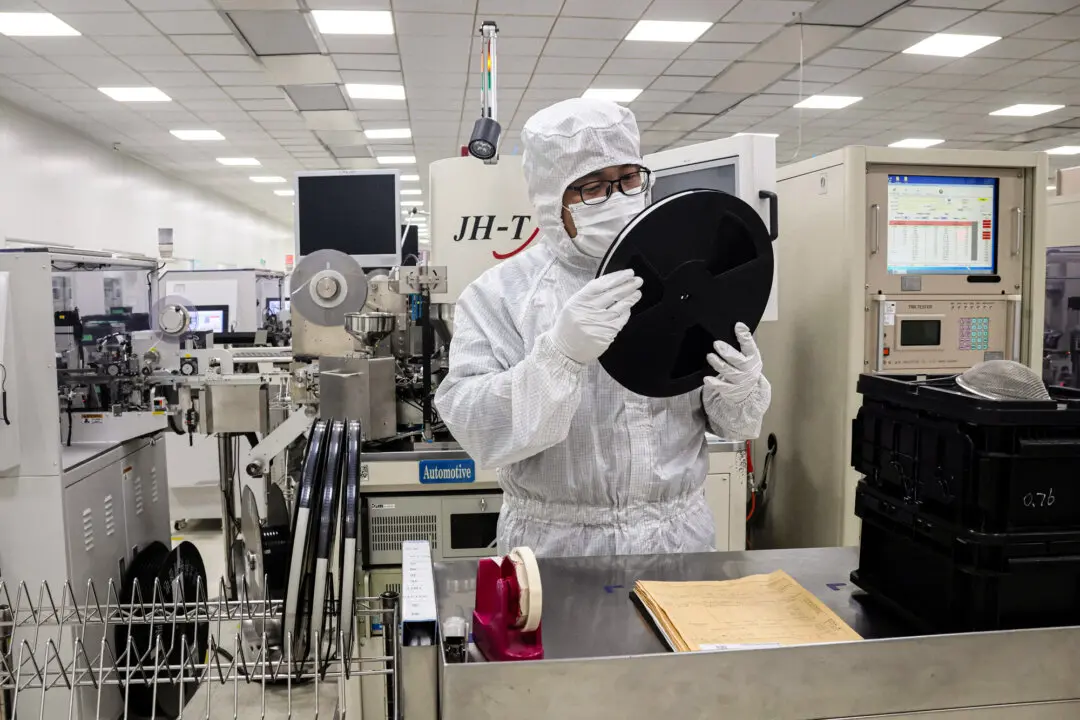
Beijing has decided to change its hukou system of worker registration. Reform will help but not enough to meet all China’s needs.
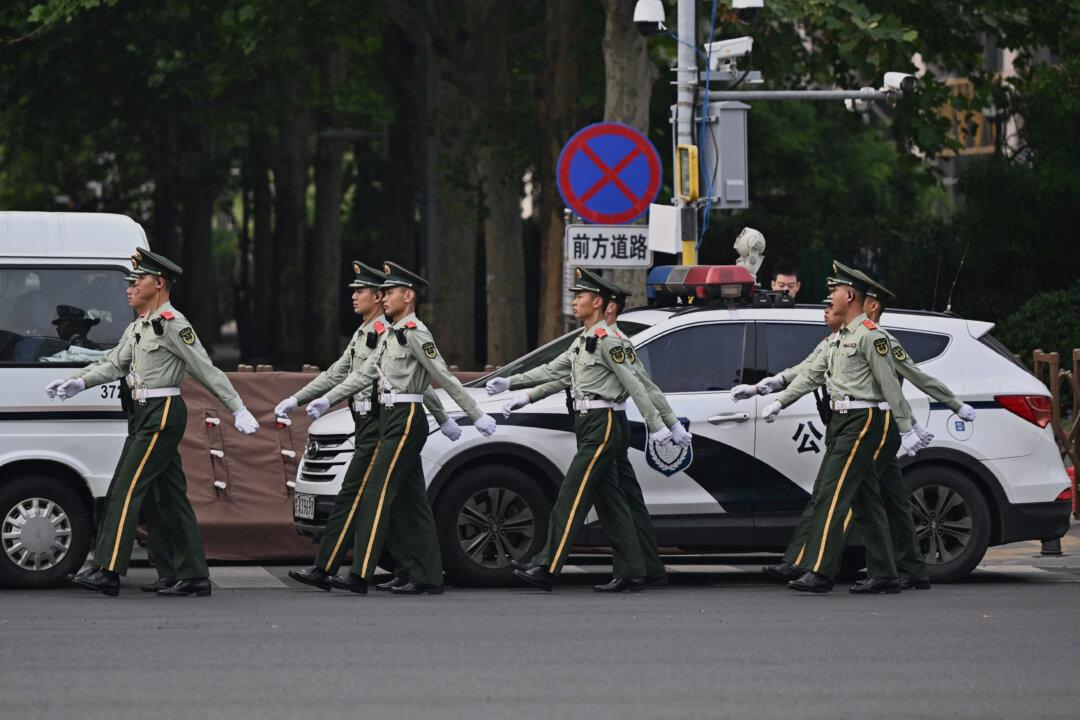
The April–May surge in China’s exports does not mean Beijing has beaten Trump’s tariffs. This strength will fade, but new aspects do promise durability.
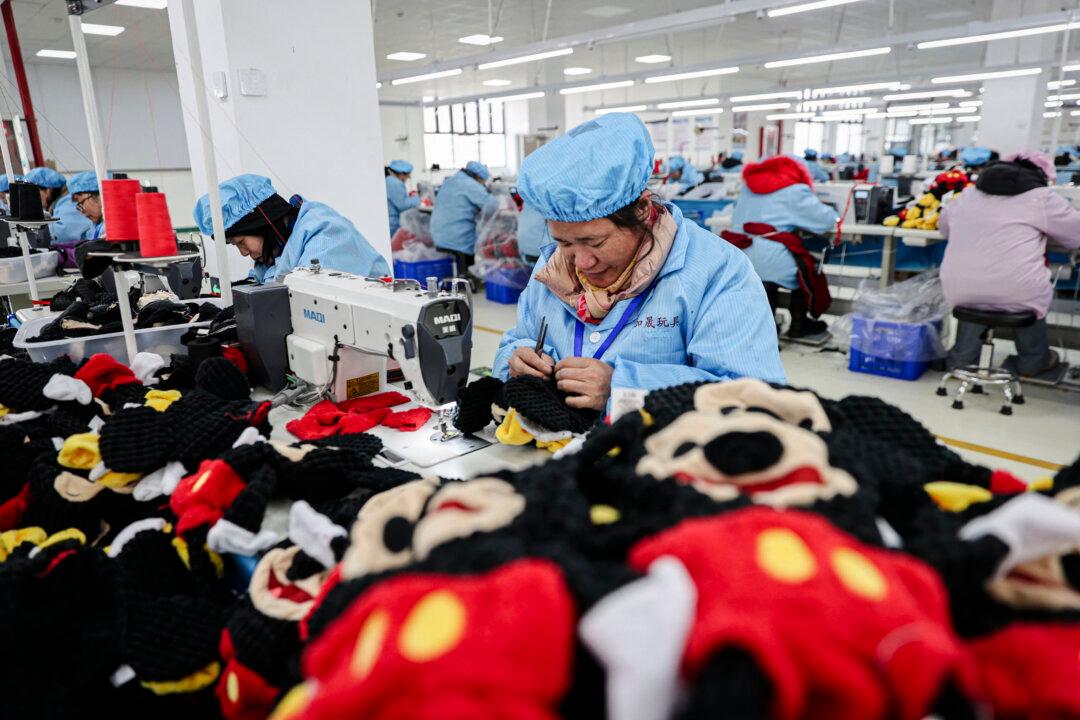
Beijing so fears technological competition that it has clamped down more than ever on outbound investments and overseas Chinese business arrangements.
Local governments in China report financial problems that render them unable to meet their obligations to either their citizens or their residents.