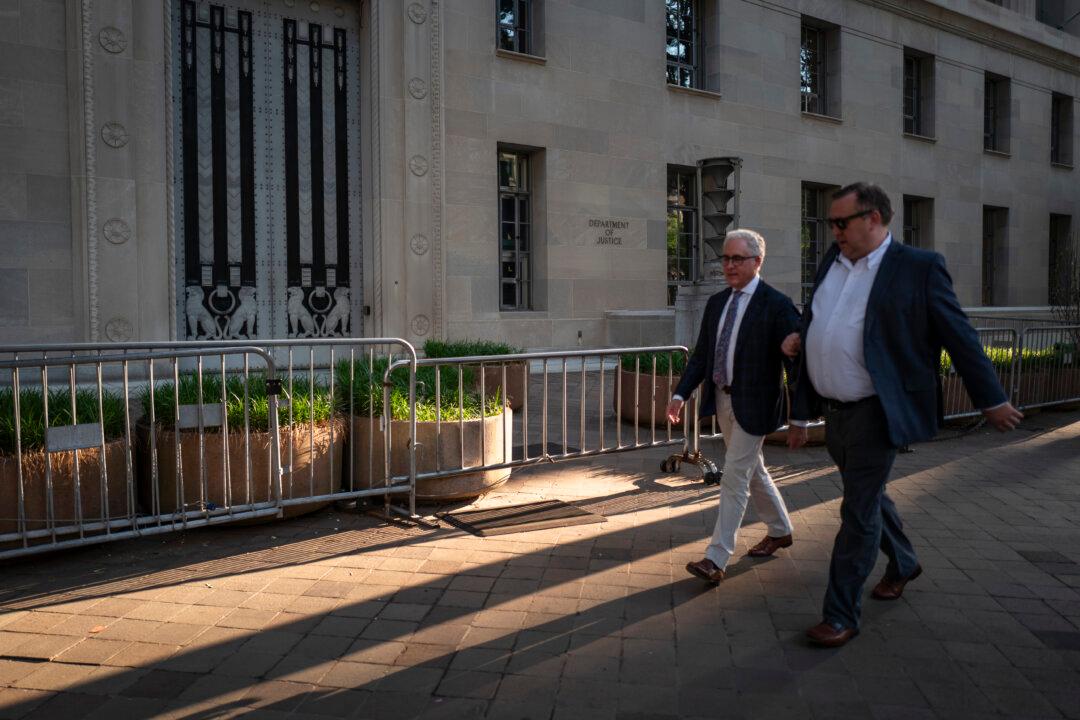
Assistant Attorney General Harmeet K. Dhillon said Sheriff Robert Luna and his staff have addressed the matter head on.
‘The First Amendment protects our right to create AI satire poking fun at political candidates,’ Babylon Bee CEO Seth Dillon said.
The court found that compelling carriers to hand over data on thousands of cellphones near crime scenes constitutes an unreasonable search.

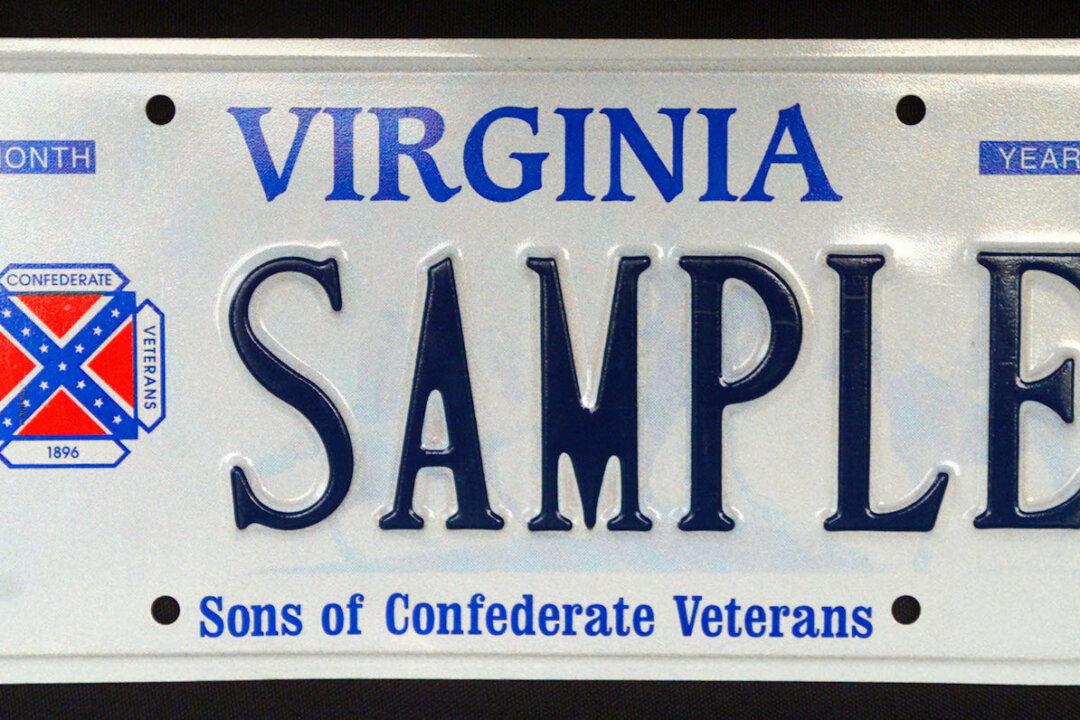
This is the first time a federal appeals court has ruled that personalized license plate messages are constitutionally protected private speech.
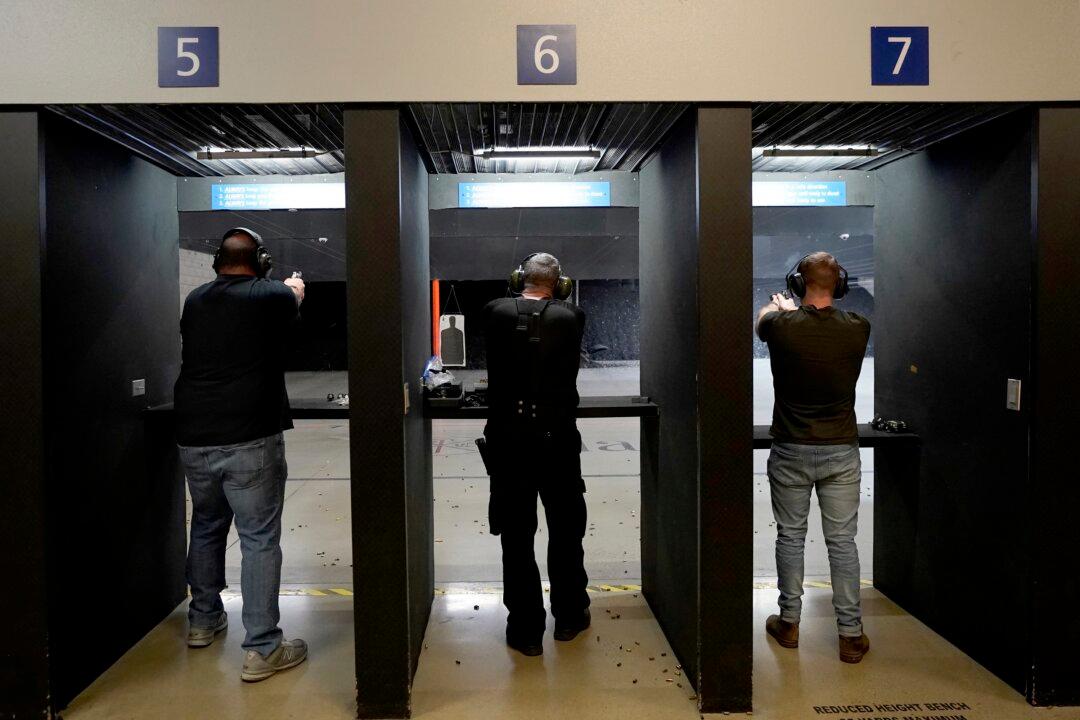
State leaders said public safety, not an attempt to ban guns, is the objective of the new law, which is being challenged by opponents in court.
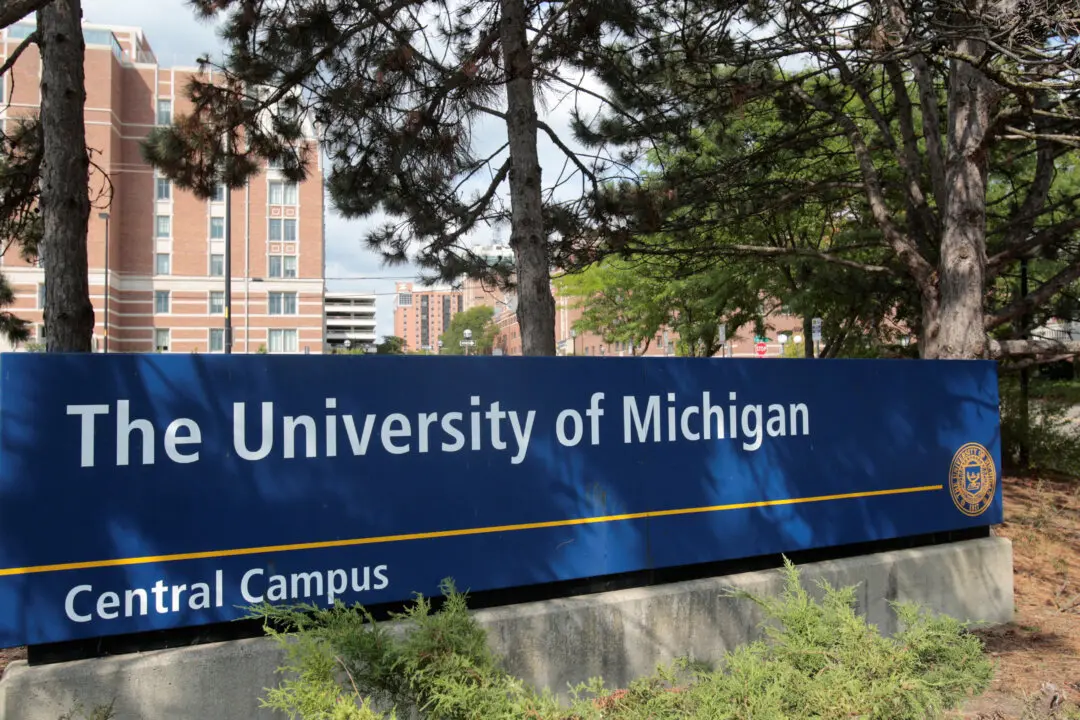
A Michigan hospital settled a lawsuit with an employee who was fired after raising concerns about mandatory gender-identity training.
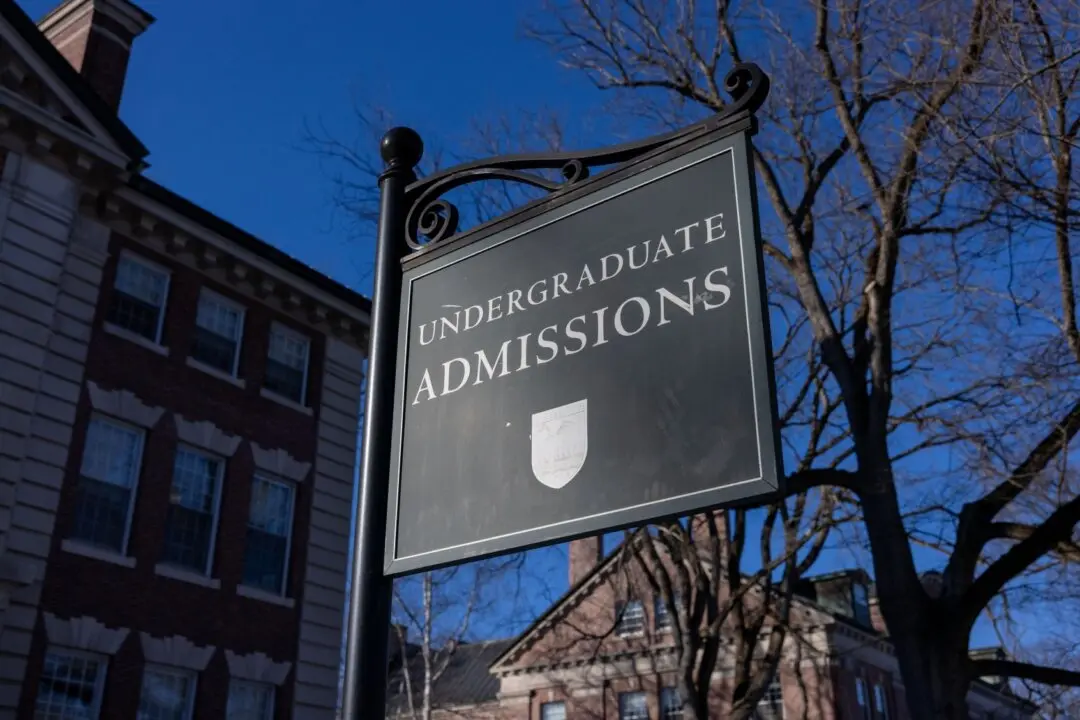
The department says the investigations aim to ensure medical school admissions reward achievement rather than race-based considerations.
The appeals court upheld a 2025 decision by a U.S. district court judge.
A panel had upheld a ban on gun possession for felons but will now reconsider the case amid constitutional concerns.
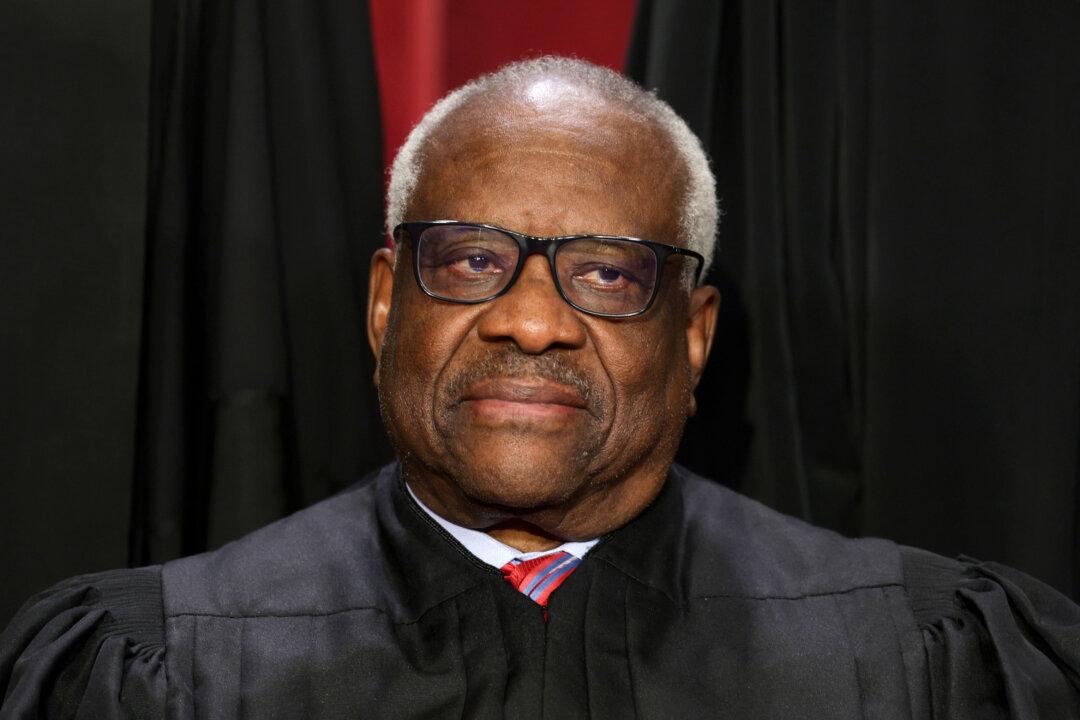
An Alaska bush pilot’s 14-year odyssey over civil forfeiture reaches the nation’s highest court.
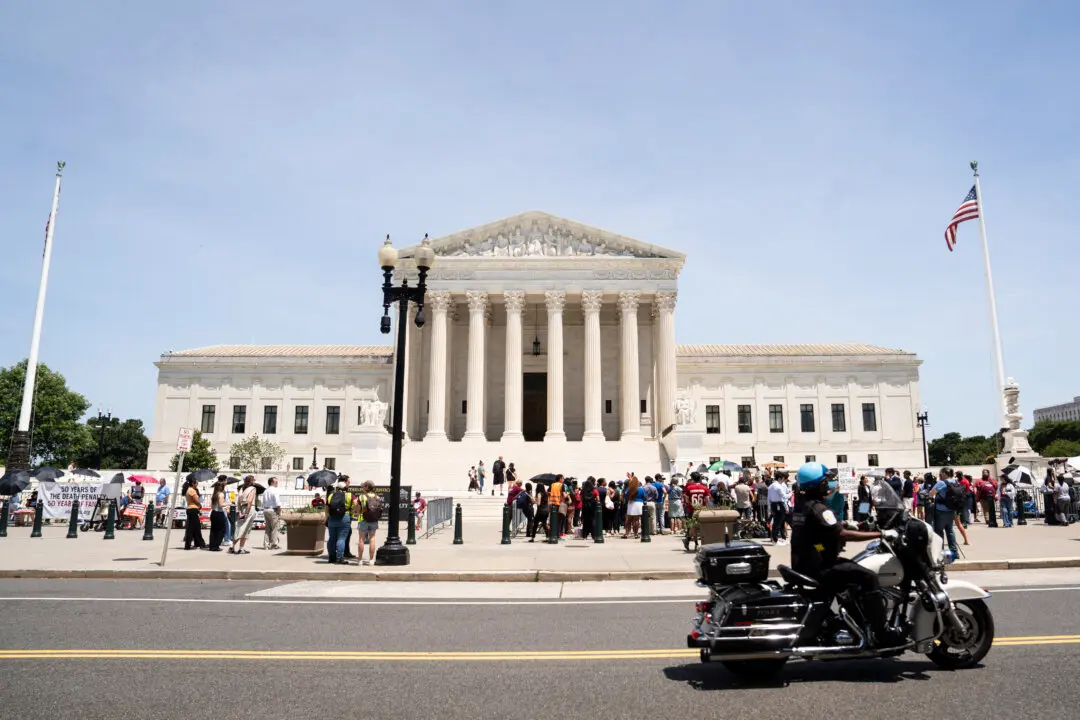
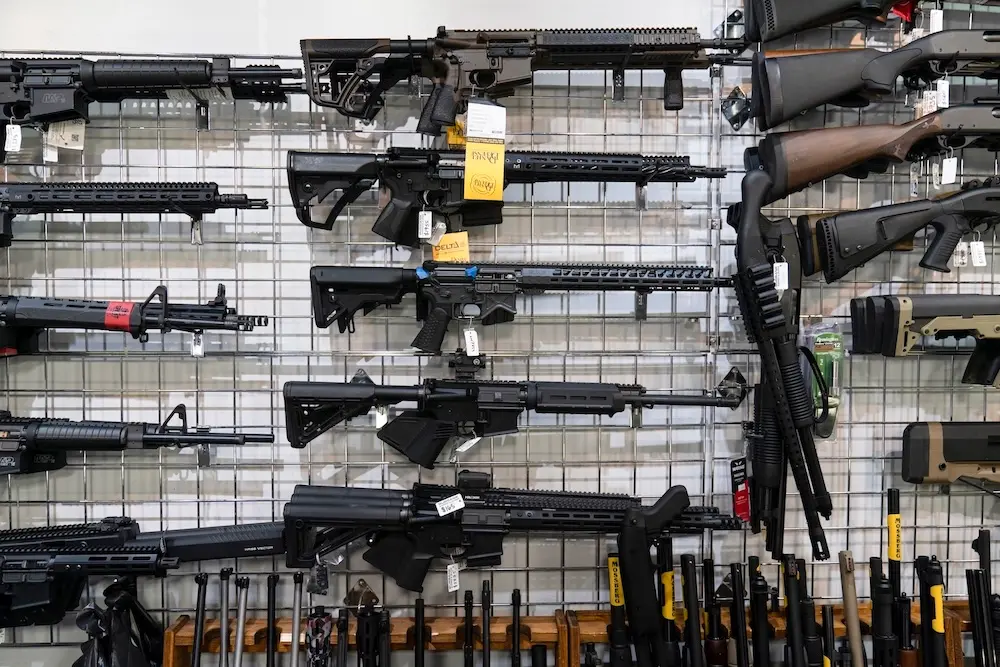
The court found semiautomatic rifles and high-capacity magazines have constitutional protection.
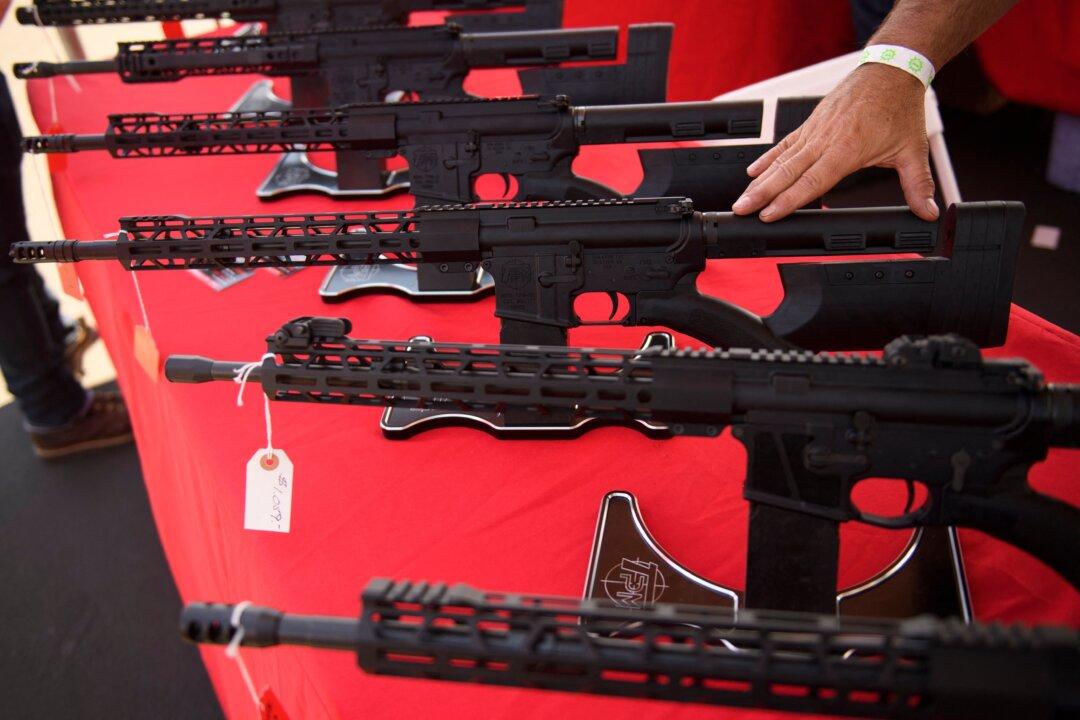
Personal liberty, individual responsibility, and laissez-faire government are what the American flag stands for, libertarians say at a gathering in Las Vegas.
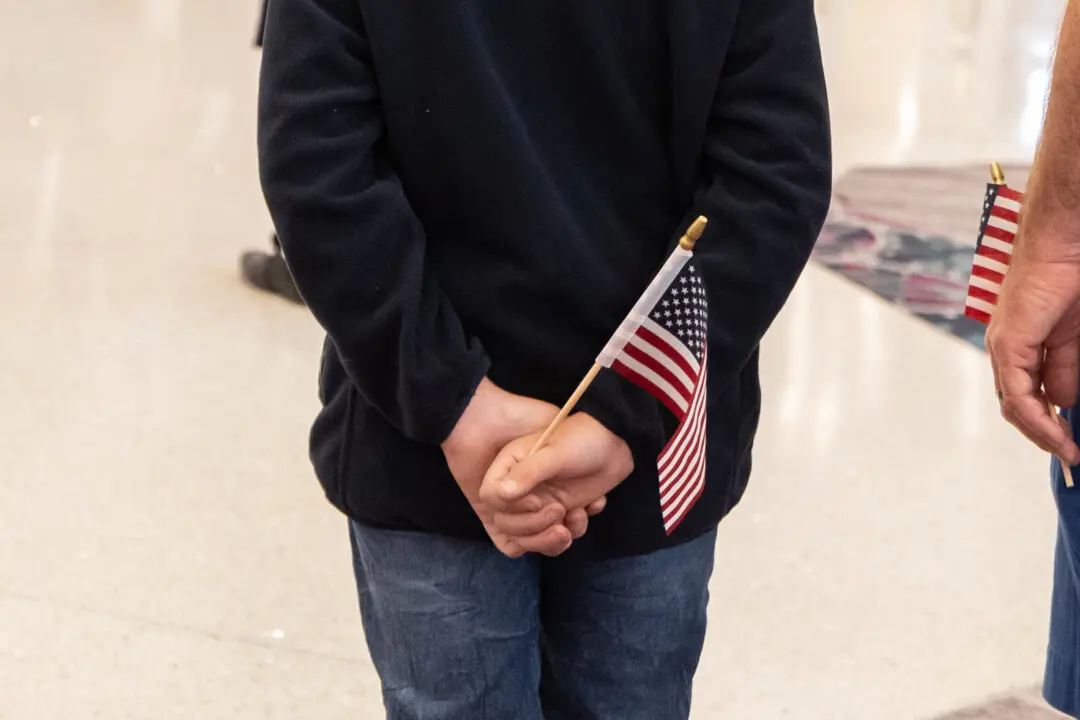
The commissioners alleged pro baseball enforced uniform rules unevenly—penalizing Christian expression while allowing Black Lives Matter and LGBT messaging.

The president and lawmakers believe there could be a way to end birthright citizenship, while experts who spoke to The Epoch Times cast doubt on all options.
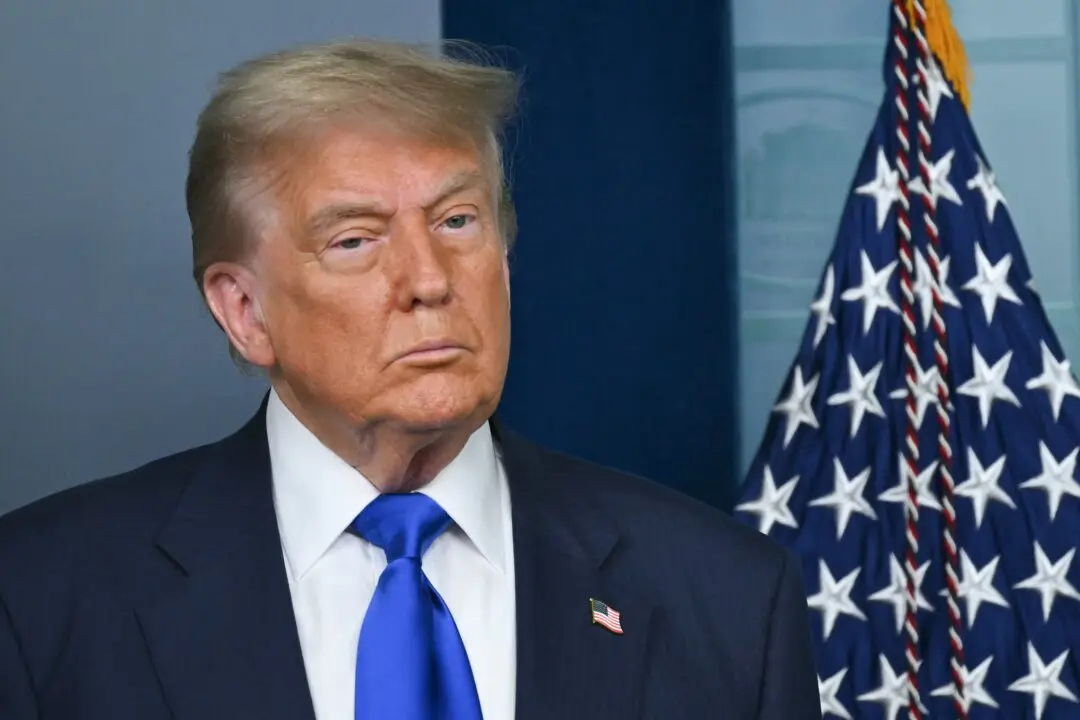
In two separate lawsuits, the Justice Department alleged that the new state laws violate the Second Amendment.
Some lawmakers expressed interest in changing citizenship rules.

The high court is expected to issue its highly anticipated ruling on Trump’s order restricting birthright citizenship.
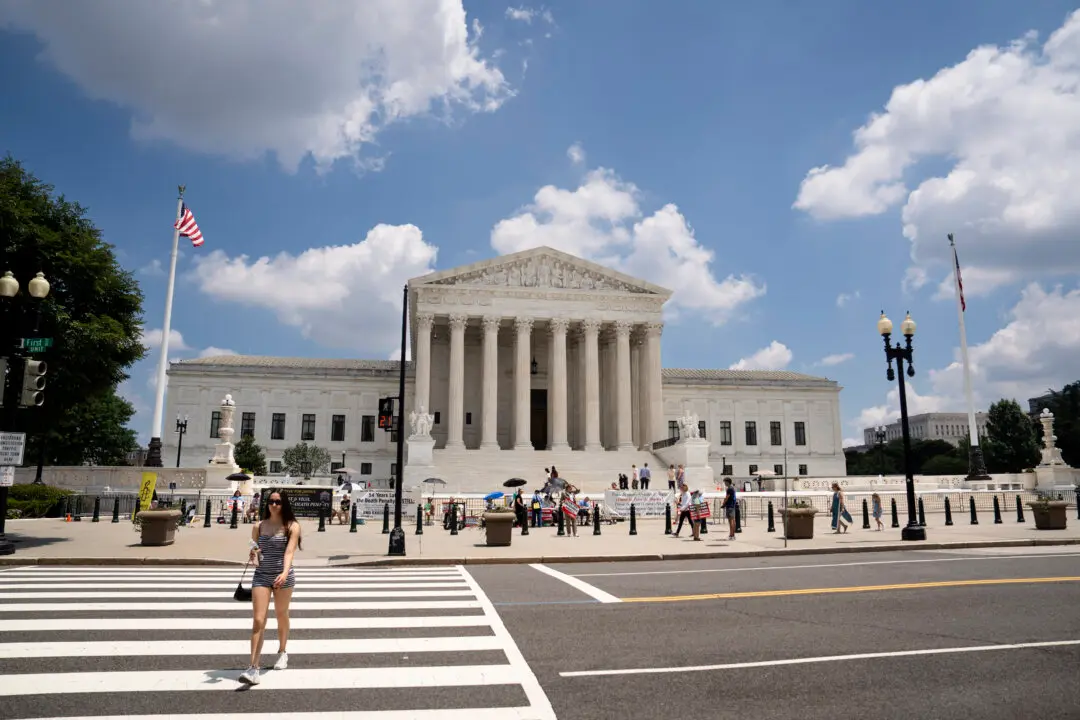
The court seemed skeptical of Damon Landor’s case during oral argument in November.

A federal appeals court previously ruled the state law was not barred by the federal Protection of Lawful Commerce in Arms Act.
The Title VI investigation comes after reports a City University of New York initiative directs recruitment, admissions, and support primarily to black men.