Twenty-nine states are suing Meta, seeking civil penalties the company says could run as high as $1.4 trillion, the approximate value of the company.
Twenty-nine states are suing Meta, seeking civil penalties the company says could run as high as $1.4 trillion, the approximate value of the company.
The ATF’s Frame and Receiver rule required partially completed gun parts to be assigned serial numbers as if they were functioning guns.

U.S. District Judge Brian Murphy lifted his administrative stay, but said plaintiffs can still challenge the termination as ‘racist.’
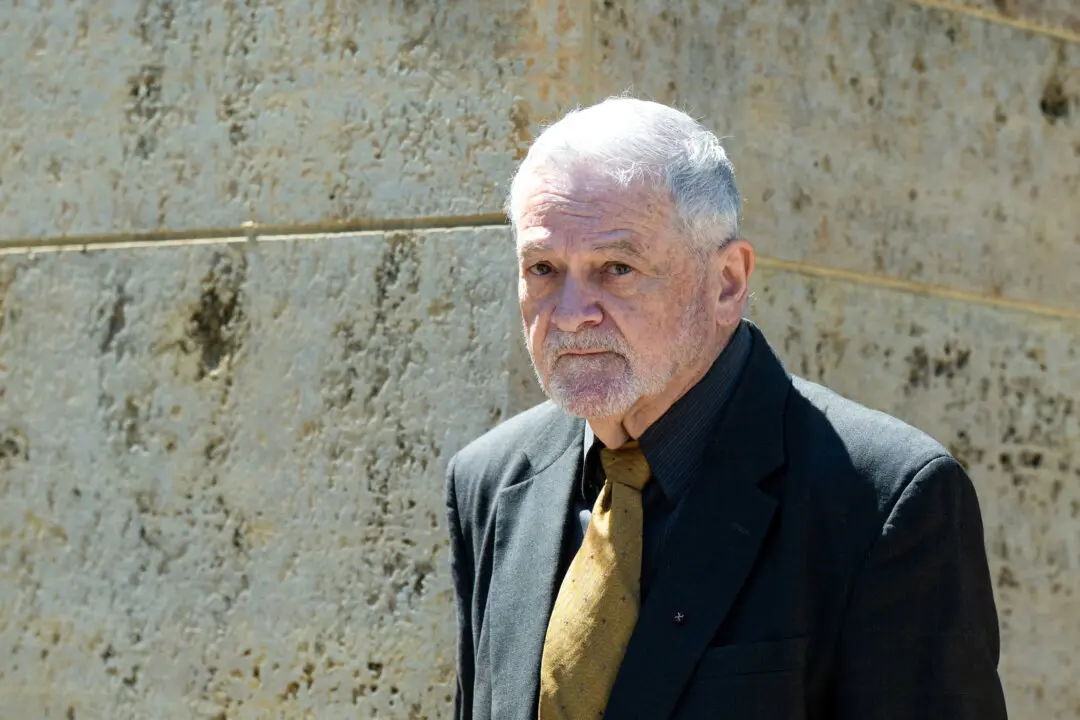
Dr. David Morens faces up to five years in prison.
The policy, if allowed, would likely result in a decline in attendance at these churches, judges said.

Chief Deputy District Attorney Binu Palal said Duane Davis planned the shooting of Tupac Shakur in September 1996 in retaliation for his nephew being assaulted.

The petition was filed after the Fifth Circuit allowed permanent displays in classrooms.

The department accused a district court of interfering with the executive branch’s authority and duty to protect the public from potential threat.
The judge found that the federal government illegally scrapped the plan to build the new facility in Greenbelt.
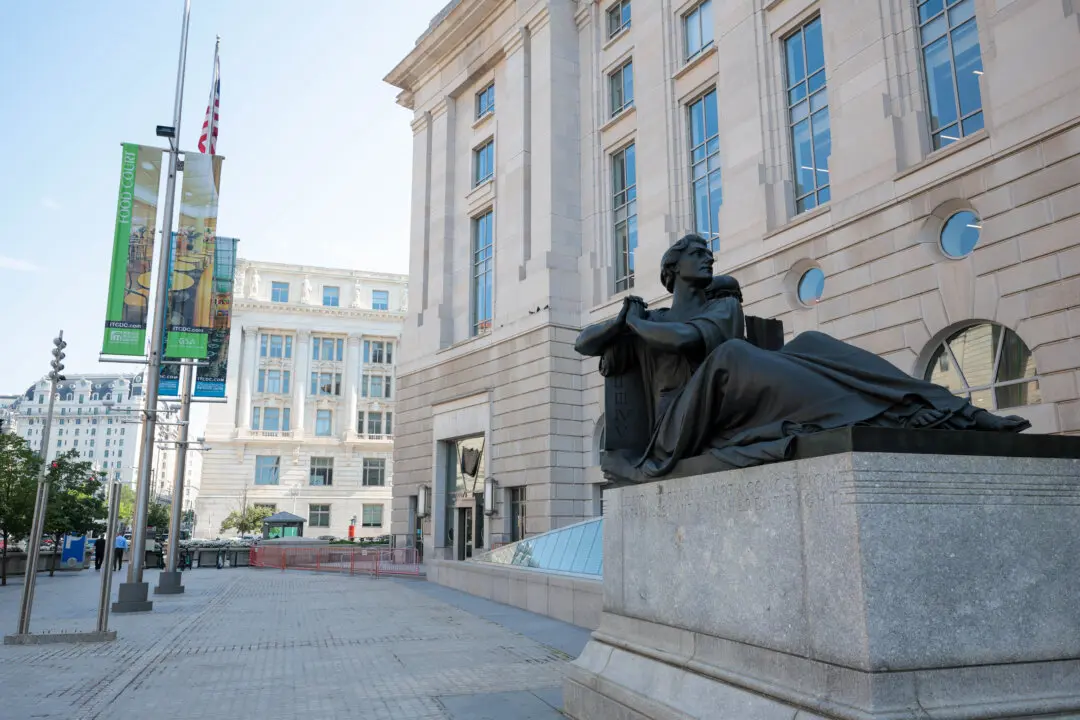
Edward Zimbardi is accused of running ‘The Crypto Program,’ promising 25 percent monthly returns until the operation collapsed and he fled overseas.

California called the bond request blackmail.

The ruling upheld a judge’s decision last year that declared her appointment invalid.

Defense attorneys said some of the state’s charges would be unconstitutional following the federal pleas.
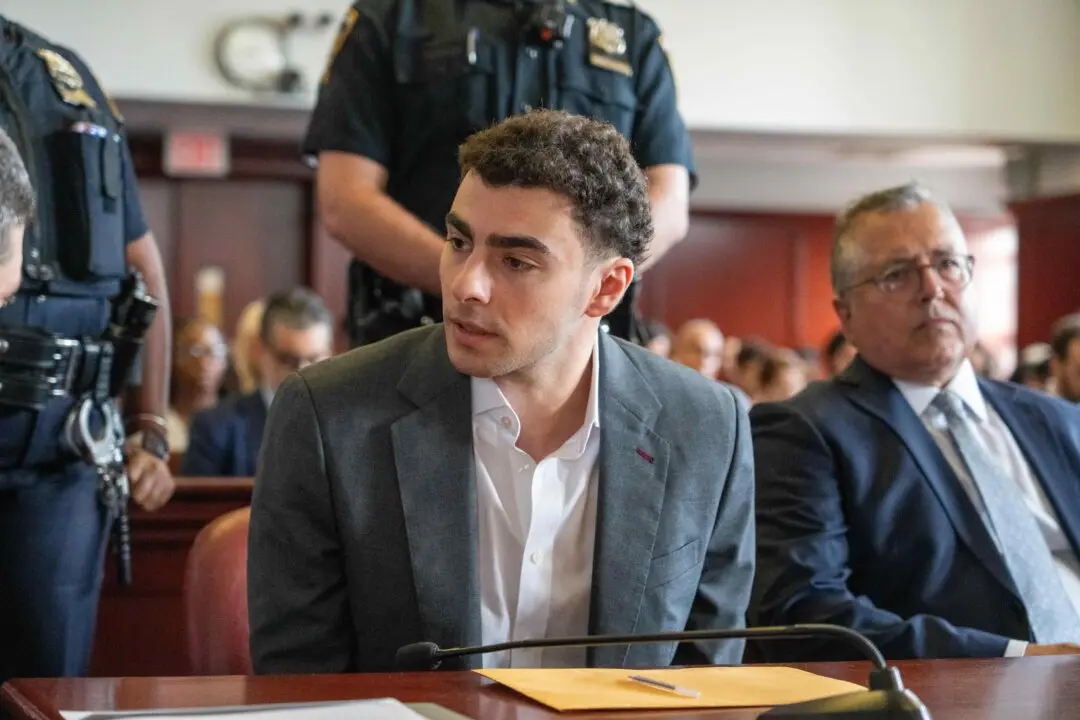
The broadcaster wants to compel Donald Trump Jr., Ivanka Trump, and Jared Kushner to provide evidence relating to the events of Jan. 6, 2021.
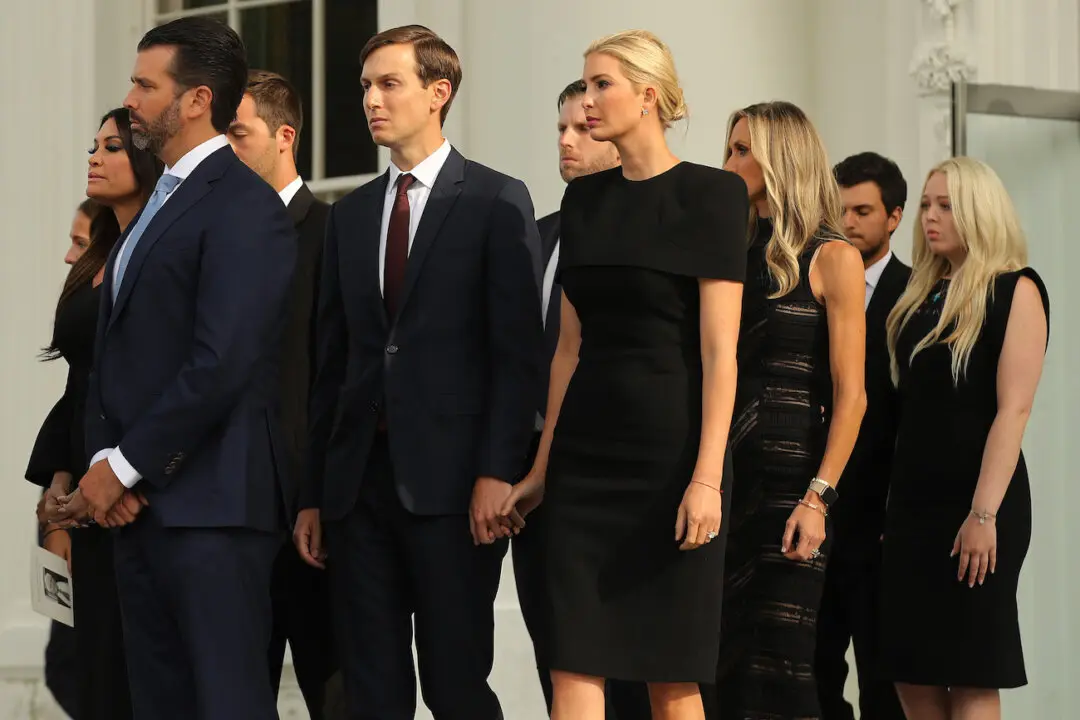
The justices had previously rejected the president’s petition asking them to reconsider the case.
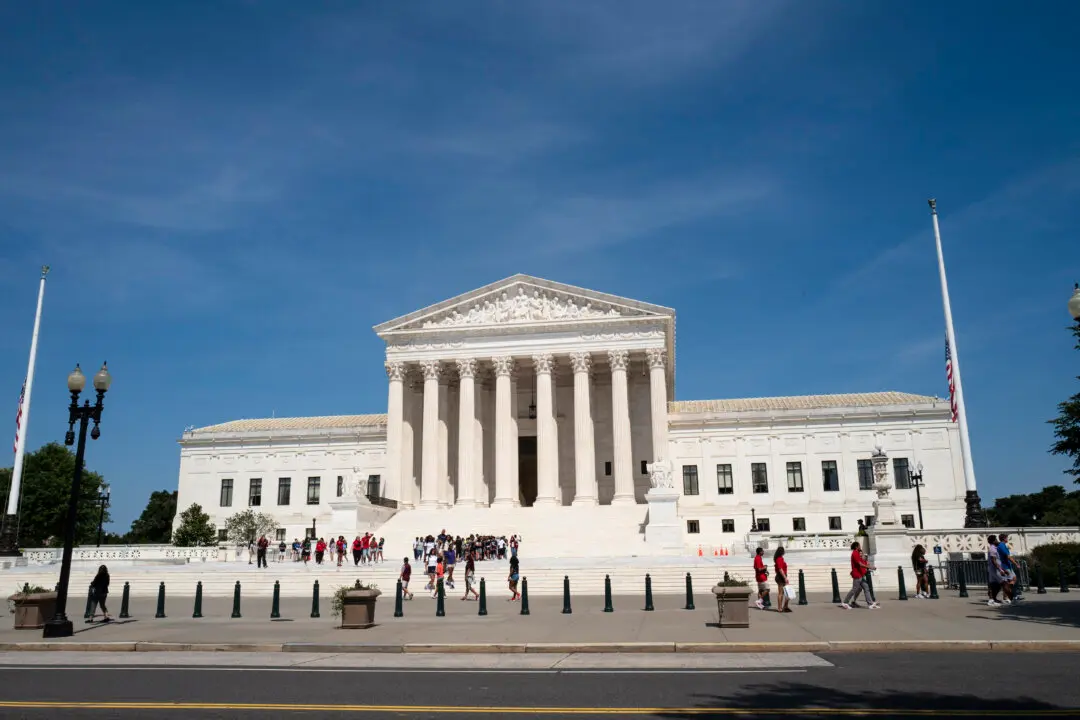
The ruling comes after a federal appeals court struck down part of the law in 2025.

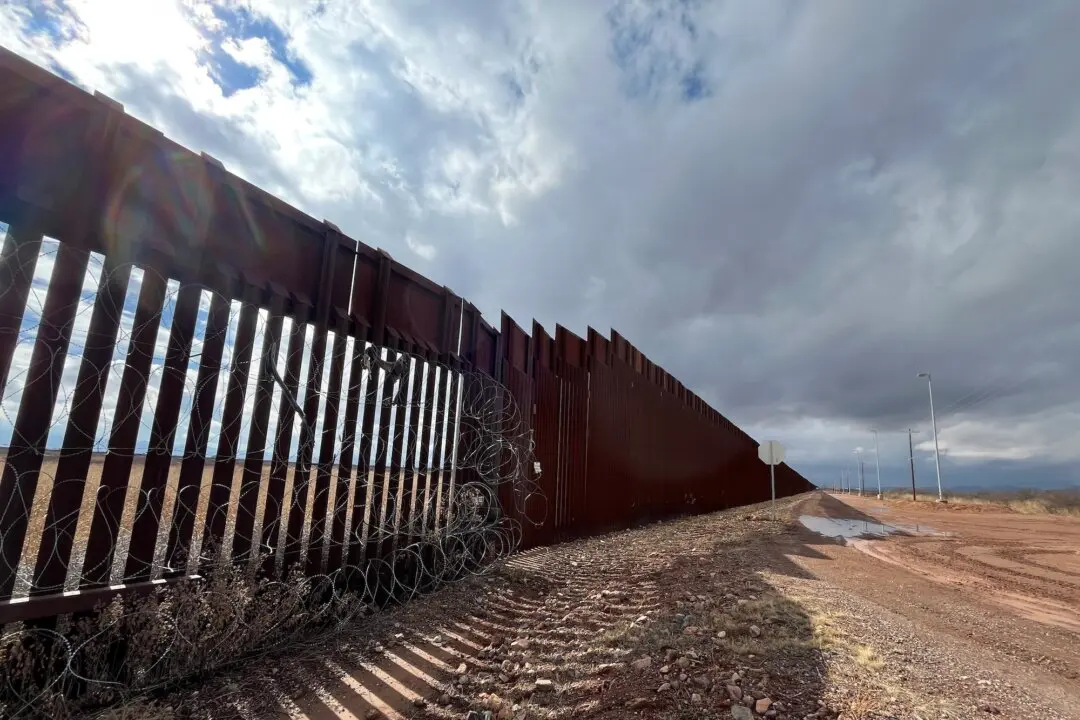
The judge rejected the tribe’s argument that the border wall’s construction would constitute a trespass on its reservation.
A divided panel reinstates a DOJ subpoena seeking records from telehealth provider QueerDoc.
‘A pregnant woman’s health is not a state resource to be allocated at the legislature’s whim,’ the judge ruled.