How did our ancestors pass the time during long winter evenings? Through parlor games—simple group games that require little equipment and can be played in a living room or parlor. These games produced all sorts of antics that kept the heart and home warm and the mind engaged.
Due to material constraints and a less commercialized culture, the men and women of the past had to find joy and entertainment in each other, rather than in a mountain of possessions, and many of them realized that even a simple game provided a framework for sharing time and sharing joy. These often humorous games brought smiles and laughter to their lips and rosiness to their cheeks. From frontier cabins to Victorian drawing rooms, fun was something crafted by the community, not merely consumed as a packaged product.
“The settlers’ world of fun was founded on human relationships,” Bobbie Kalman wrote in “Early Pleasures and Pastimes.” “Once there was friendship, the imagination provided the pleasures and pastimes. Out of caring, sharing, and cooperation came a wonderful world of pleasure that no gadget today could possibly replace.”
Much of Kalman’s book is dedicated to the homespun fun of parlor games. These games are easy to learn and play and perfect for gatherings of family and friends during the holiday season. We can step into the world of our ancestors and emulate their wholesome forms of entertainment by trying out these activities for ourselves. To that end, here’s a list of old-fashioned games to reintroduce to your parlor—or living room, as the case may be. Parlors are hard to come by these days.
1. Pinch, No Smiling!
Players sit in a circle and each player pinches the nose of the person next to them. When someone smiles or laughs, they’re out. Play until there’s only one person remaining.2. Forfeits
In this game, one person is selected as the Judge, and sent out of the room. The other players place a small personal item in a box or basket, such as jewelry, accessories, a pocket knife, et cetera. The Judge returns, picks up an item, and describes it. The owner of the item must now win it back by paying a “forfeit.” A forfeit is some challenging or amusing task that the player has to perform. Examples include: singing a song, doing a handstand, imitating the person next to you, hopping around the circle on one leg, telling an embarrassing story, or saying a tongue twister. The Judge selects the forfeit to be paid.3. The Noisy Barnyard
One player is the Farmer, and all the other players choose or are assigned the names of various animals. The Farmer begins telling a story, during which he or she will try to mention the names of as many animals as possible. When a player’s animal name is mentioned in the story, they must make the sound of that animal. When the Farmer says “barnyard,” everyone makes their animal sound at the same time. Any player who misses their cue is eliminated. As Kalman notes, “A fast-talking farmer can cause the players to make quite a racket”—to the amusement of all.
4. Newspaper
Another animal game, “Newspaper” requires a rolled up newspaper or magazine and a circle of players. One player enters the middle and holds the newspaper. The other players all select an animal to imitate. Someone starts the game by shouting out another player’s animal. The player in the middle tries to hit that player’s knee with the newspaper before they can shout out a different player’s animal.

5. Wink ‘Em
Set up a ring of half as many chairs as players. All but one chair should be occupied by a player. The remaining players should each stand behind a chair. The player standing behind the empty chair winks at one of the seated players. The player who was winked at tries to slip onto the empty chair before the person behind them can stop them by grabbing their shoulders (keeping them in their original chair). If the standing player’s reaction time is too slow, then their chair will become the empty one, and it’s their turn to wink at another seated player. After a while, switch standing and seated players so everyone has a chance to try both roles.6. Musical Chairs
A classic that most people already know the rules to—and another game that poses a hazard to household chairs! Set up a ring of chairs—one fewer than there are players. Someone starts the music, and the players walk or dance around the ring of chairs. When the music stops, everyone scrambles to find a chair. Someone will be left chairless. That person is out. Remove one chair and begin again. Play until only one player is left; they are the winner.7. Hunt the Slipper
Everyone sits in a circle around a player who’s “it.” The central player gives a slipper (or other object) to one of the players in the ring and says, “Cobbler, cobbler, mend my shoe/ Get it done by half-past two.” Then the central player closes their eyes or turns their back. The other players begin passing the slipper around the circle for a set amount of time (say, 20 seconds). When the time is up, whoever has the slipper places it behind their back. The player in the middle opens their eyes and points at the player they think has the slipper. If that player does have the slipper, they’re now “it” and must go in the center. Otherwise, play continues. Players can attempt to pass the slipper even while the player in the middle is guessing, ideally when their back is turned. Skilled players will look guilty when they aren’t, and innocent when they’re guilty, to fool the player in the middle.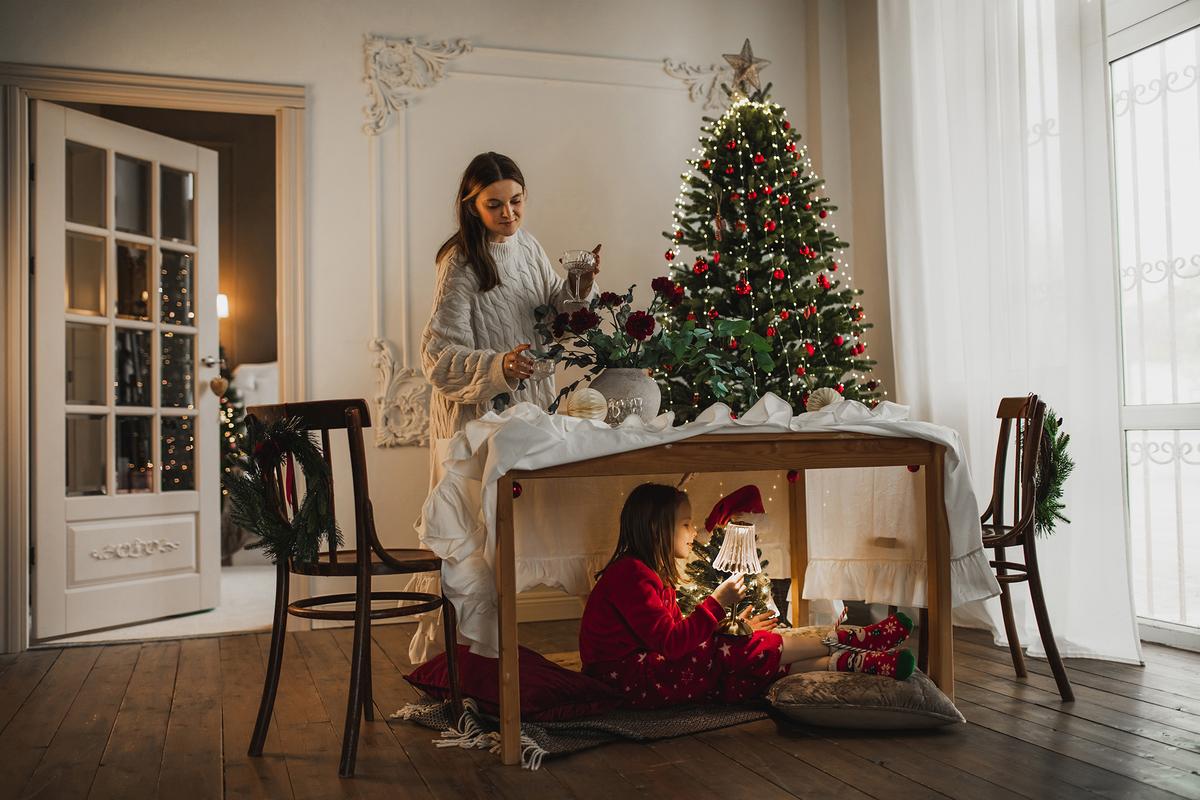
8. Shadow Buff
A white sheet is hung in a room. One player stands on one side, while the other players parade past the other side of the sheet, between it and a flashlight or candle, which casts their shadows onto the sheet. The player in front of the sheet tries to guess who’s on the other side based on the shadow being cast. The shadow-casters can attempt to disguise their appearance in various ways (adding a hat, crouching over, wearing a bulky coat, et cetera.).9. Kim’s Game
A grouping of small articles is placed in a tray. Players are given a short time to look at the tray and try to memorize its contents. Then the tray is removed and players each list list of what it contained. Whoever’s list is most accurate wins. Their prize could be the basket of items itself.
10. Four on a Couch
This is a much quieter, more strategic parlor game. It tests even the sharpest memories in the room. The game should be played with a roughly circular arrangement of furniture, one of which needs to be a couch that can hold four people. There should be one extra, empty seat. The names of all the players are written on slips of paper and mixed up in a hat or bowl. The players are then divided into two teams that alternate between seats (so there should be two players from team A and two players from team B on the couch). Each player then receives a slip of paper with someone else’s name. This becomes their name for the start of the game. The player seated to the right of the empty seat calls out a name.Whoever holds the slip of paper with that name moves to the empty seat. But here’s the catch: the player who called out the name and the player who moved now switch papers with each other, which means they’ve switched names. A new empty seat has now opened up, and the process repeats. The goal is to get four members of your team on the couch. But with all the switching, it quickly becomes difficult to remember who’s who and to know which name to call to get the right person to move. Players have to work their way through a labyrinth of name switches to emerge victorious.
Many of my most cherished holiday memories involve parlor games like these, played with large groups of family or friends. Friendship and community form a natural basis for entertainment, and these games prove you don’t need a lot of gadgets, tech, or equipment to craft beautiful memories.