Two telecom companies argued that the FCC’s internal adjudication system violates their constitutional rights.
U.S. Trade Representative Jamieson Greer said the failure of trading partners to address the importation of goods made with forced labor “is unacceptable.”
The Supreme Court in a 6-3 decision stayed a lower court ruling that had blocked Alabama from using the map.

Florida argued that California created an unconstitutional scheme that penalizes companies that move out of the Golden State.

The justices upheld a federal appeals court ruling exempting drivers from a federal arbitration law.

The high court ruled the trial judge misapplied a legal precedent dealing with selecting jurors.

The DOJ is supporting the RNC’s appeal of a Ninth Circuit ruling that blocks Arizona’s requirement that voters prove they’re citizens when registering to vote.

Lower court judges had ruled that the map, which redraws a majority-black district, was racially discriminatory.
A federal appeals court previously injected issues into the case that were not argued in court, the justices said.

Brian Flores, a Miami Dolphins head coach and current Minnesota Vikings defensive coordinator, alleges he faced discrimination from the league.

Florida filed the lawsuit after an illegal immigrant truck driver allegedly caused a crash in Florida that killed three people.
The new ruling clarifies the rules for companies withdrawing from underfunded union pension plans.
A federal judge previously found the company flouted her injunction against anticompetitive business practices.

The case focused on a convicted murderer’s attempt to argue his intellectual functioning was too low for him to receive the death penalty.
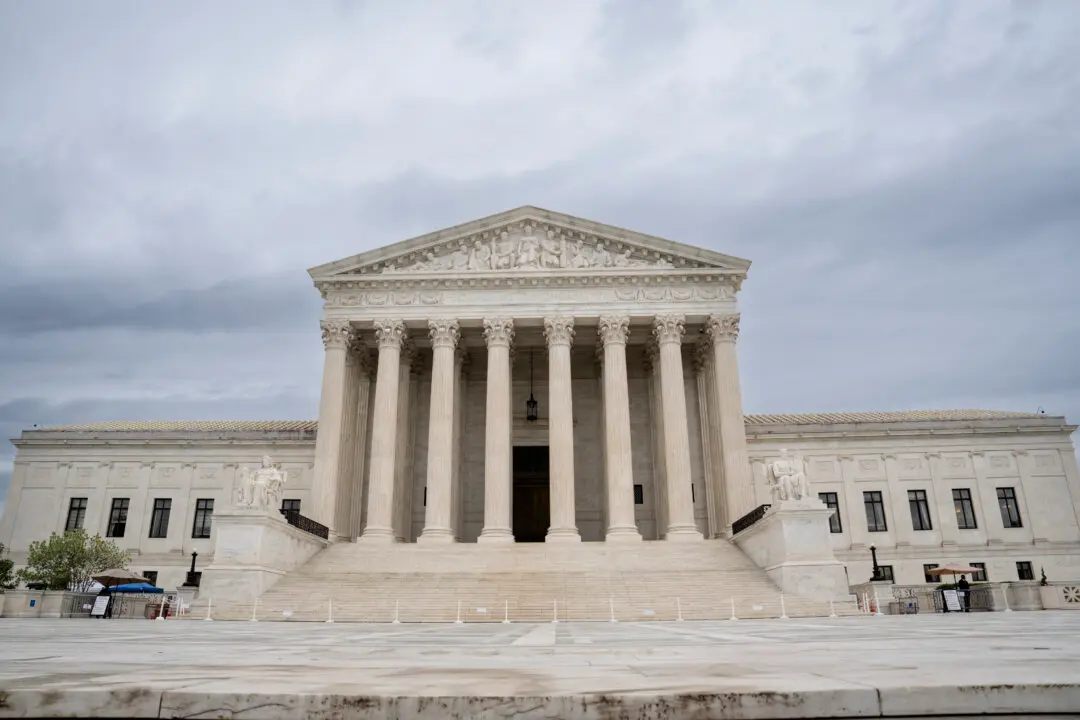
The justices considered the scope of the 1996 Helms-Burton Act, which allows U.S. companies to sue over property confiscated by Cuba.

The high court said vote-dilution claims against Mississippi and North Dakota need to be reexamined after its recent landmark redistricting ruling.
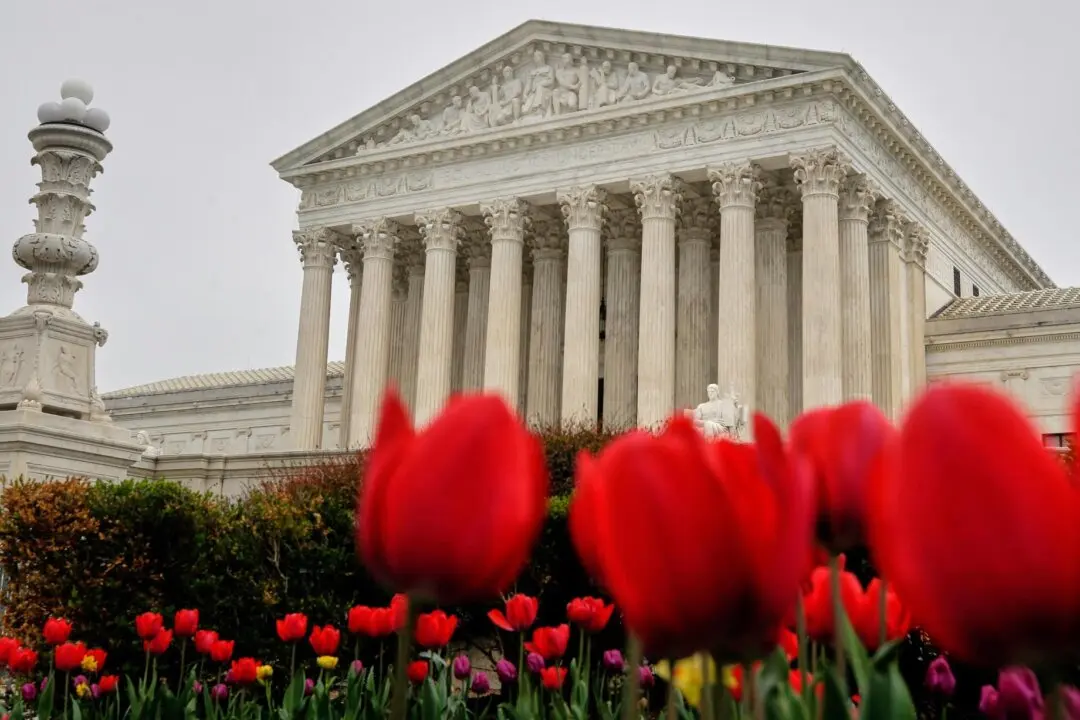
The federal government argued a federal appeals court correctly dismissed the case but said the Supreme Court should accept it because appeals courts disagree.
The decision likely ends legal challenges to the program, which was created in 2022 and began reducing prices in 2026.

The new ruling leaves intact a Virginia Supreme Court decision that found that the process leading up to the recent referendum suffered from legal defects.

A federal judge previously ruled that a state lawsuit against mifepristone may not move forward until federal regulators complete their review of the drug.