The decline in rates followed data showing a weakening in economic inflation.
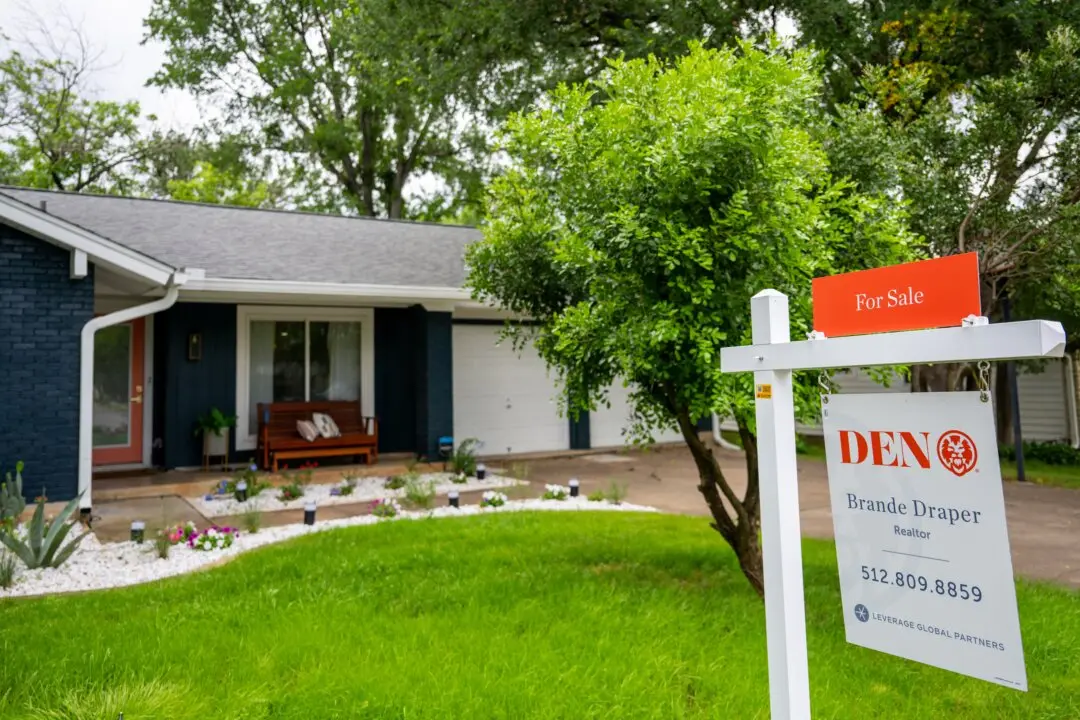
Tight inventory, driven in part by insufficient homebuilding, is fueling competition in the hottest markets, according to Realtor.com.
Overall, 87 percent of U.S. mortgage borrowers overpay, costing the economy about $65 billion per year.

The average weekly rate on a 30-year fixed-rate mortgage has remained above 6.4 percent every week since mid-May.
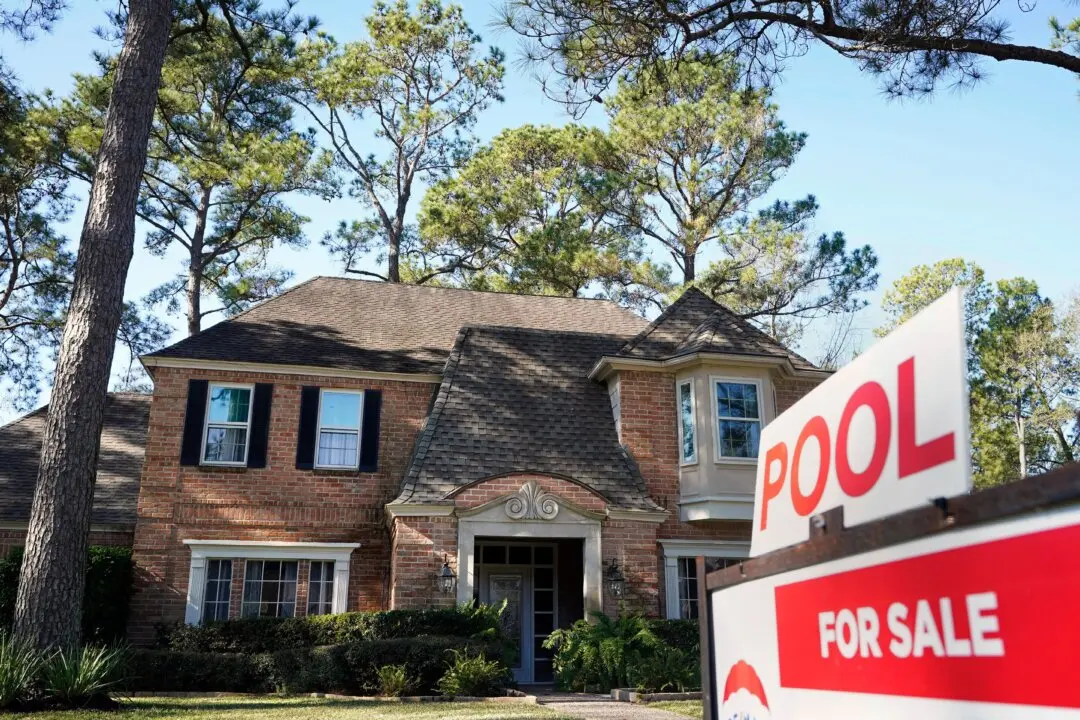
The income needed to purchase a house has been dropping consistently since October.

The bank aims to help 500,000 customers buy homes and finance 1 million affordable housing units over the next decade.

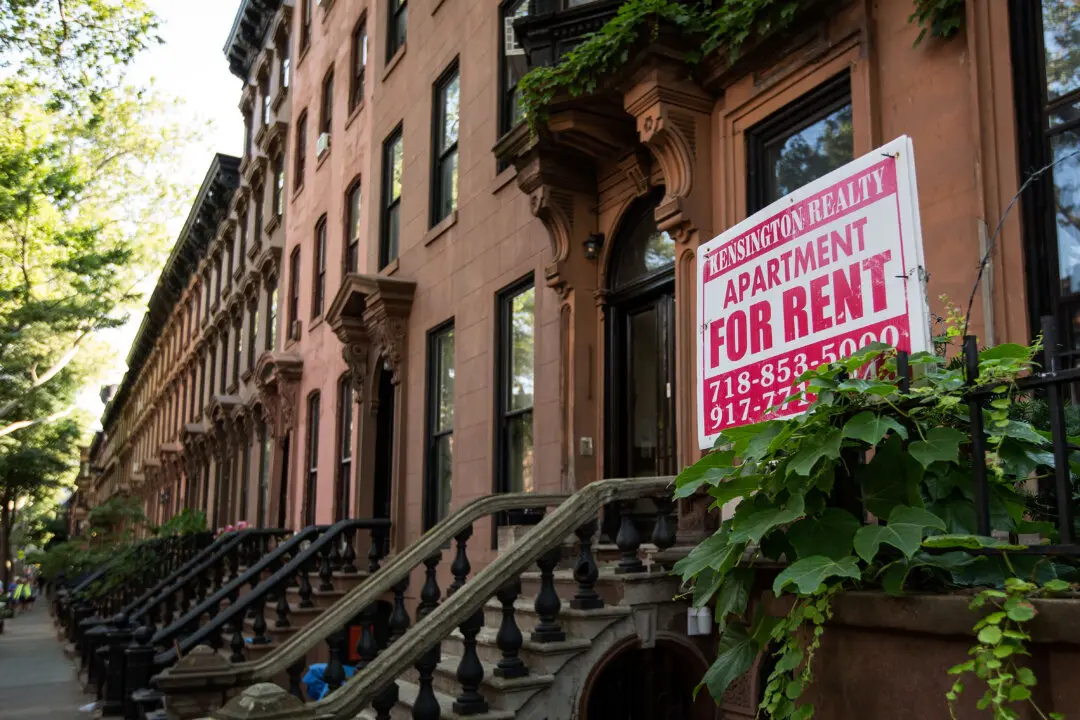
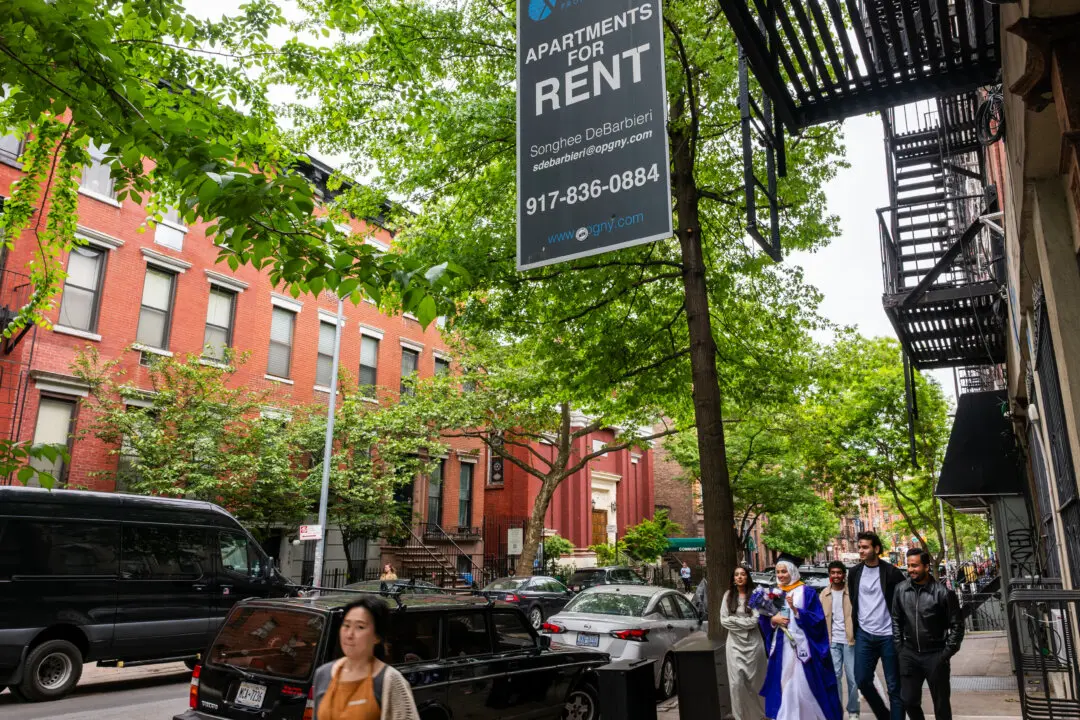
Rents have risen for three consecutive months.
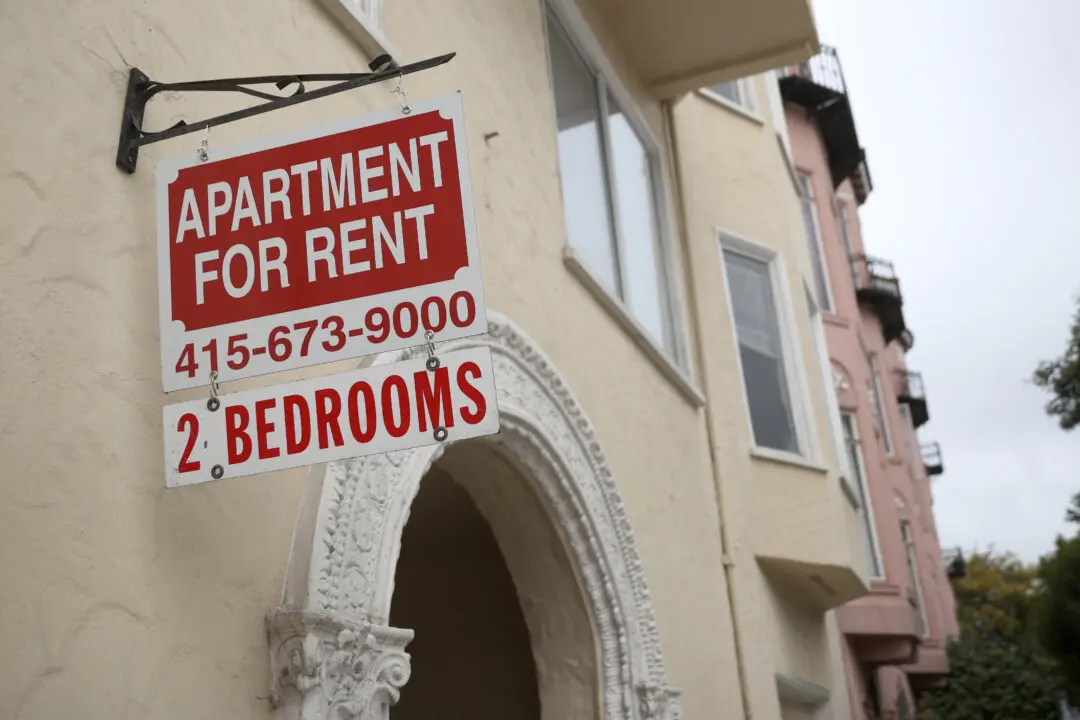
Many middle-income first-time homebuyers do not qualify for affordable housing programs, yet cannot afford market-rate homes.

Homeowners in high-risk locations pay a premium to protect their properties against possible damage from natural disasters.

Although there are still 300,000 fewer homes priced under $350,000 on the market than in 2019, the gap has narrowed by 220,000 homes since 2022.

Many of the most affordable college towns were in the Midwest and South, Redfin found.

Sellers outnumbered buyers nearly two to one in Miami, Nashville, and large portions of Texas.
Americans largely favor community design choices that emphasize small-lot, single-family homes, the National Association of Realtors said.
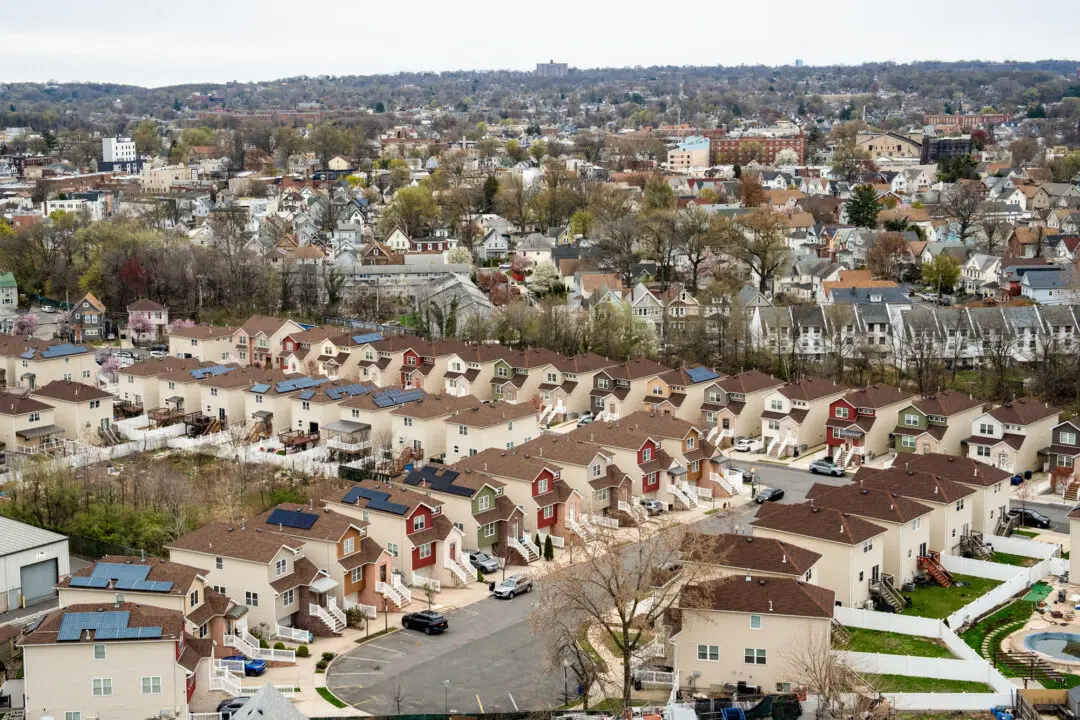
The president didn’t sign the bill to protest the Senate’s failure to pass the SAVE America Act, a voting reform measure.
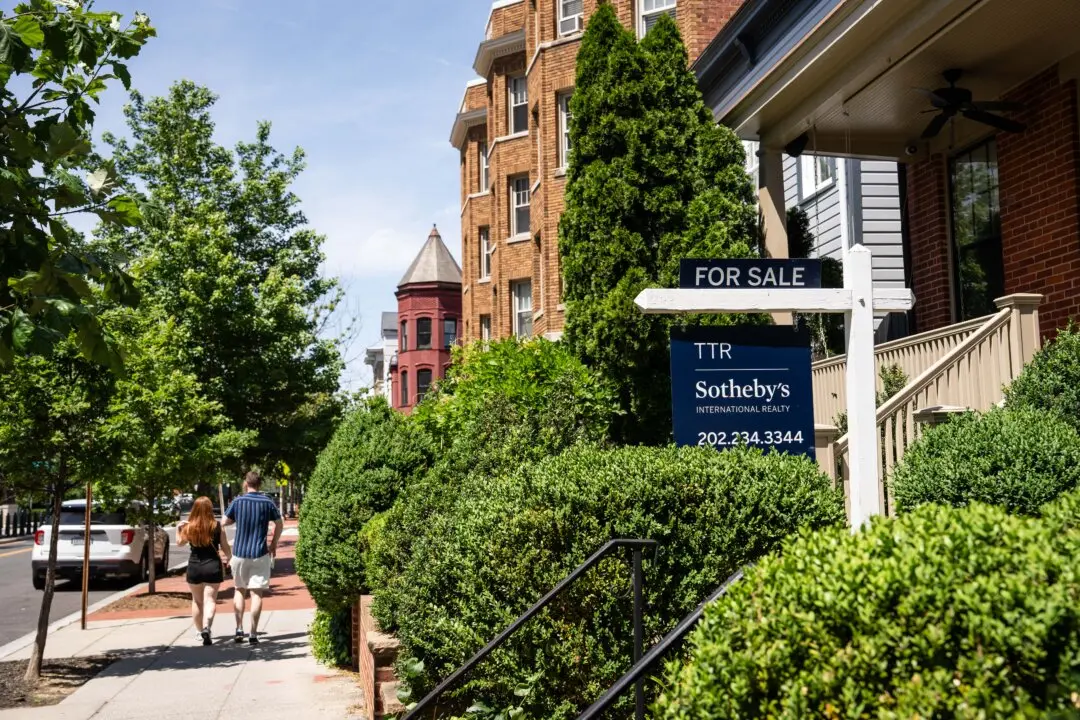
Eight Arizona locations ranked among the top 25 cities as the country’s best bets for rentals.
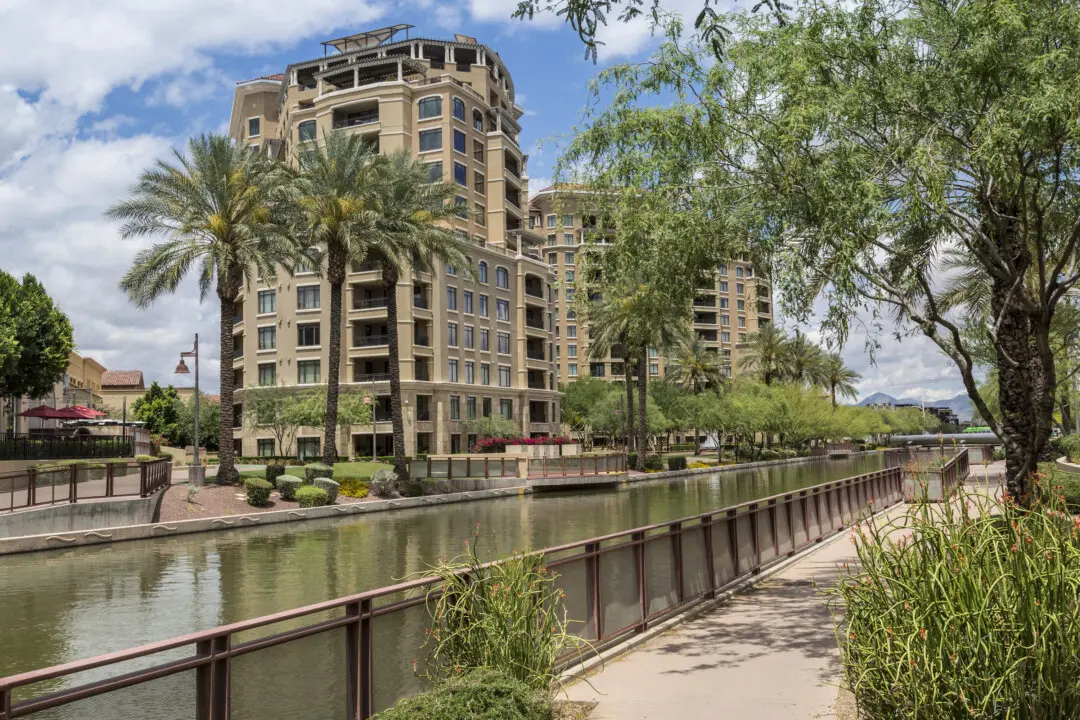
Year over year, rents were still down 1.2 percent in June, but they bottomed out in April, according to Apartment List.
Homes spent a median of 53 days on the market, ending a period of more than two years in which homes sold more slowly than the previous year.

The gain was more than triple the increase for non-luxury homes, with Florida metros leading price growth, according to the report.

Half of the most popular destinations were in Florida, according to Redfin.
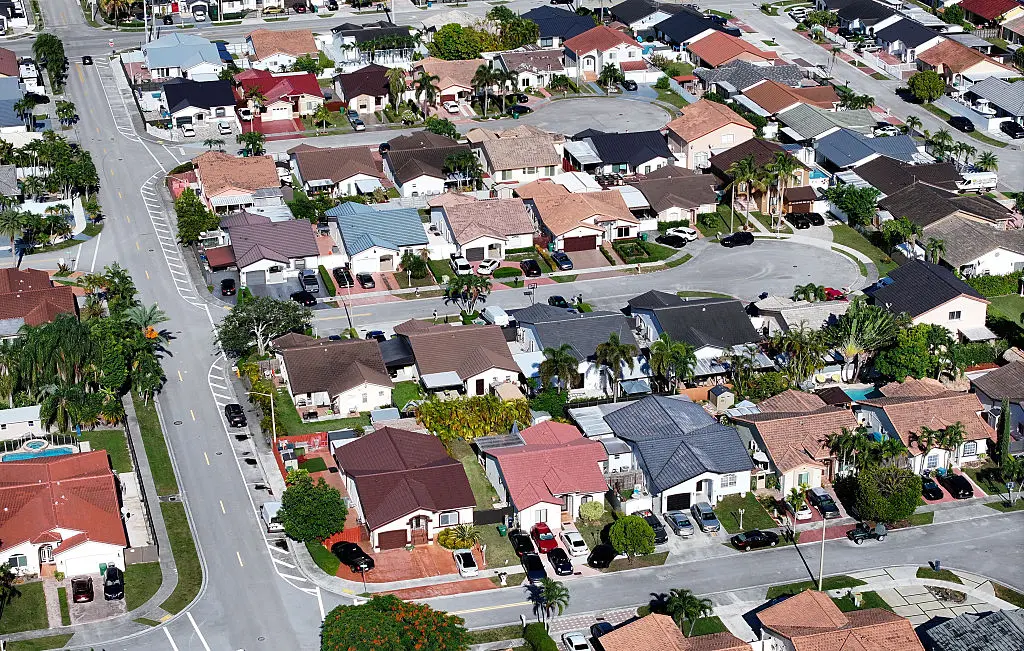
McAllen, Texas, offers the nation’s largest living spaces available for a $1,500 monthly rent.