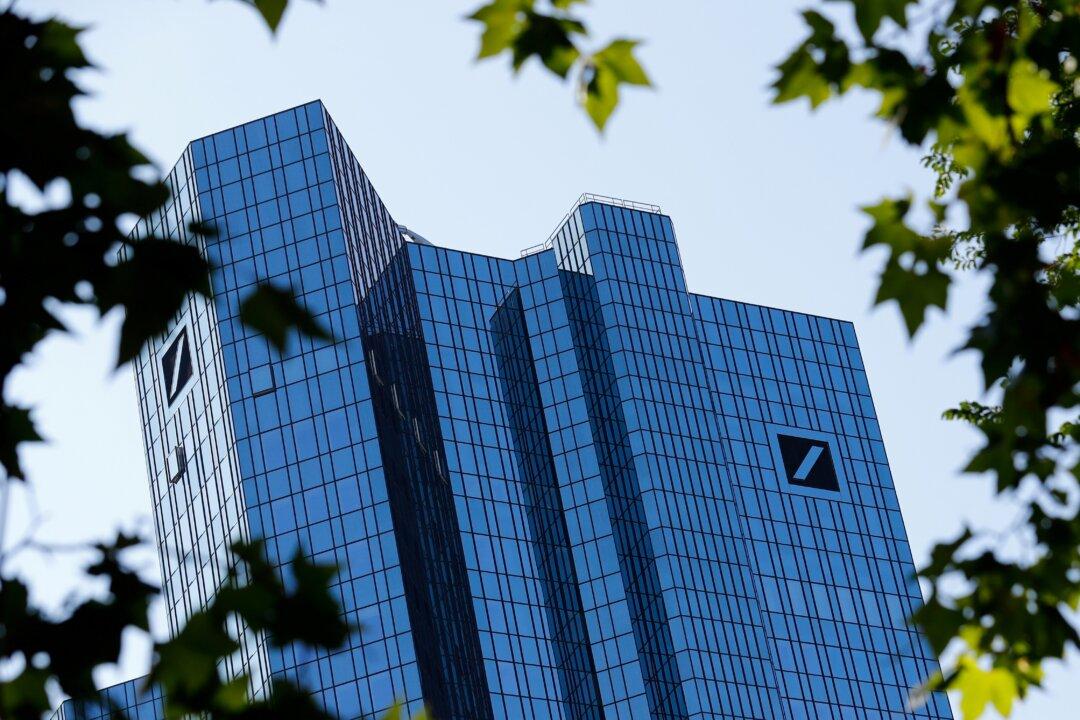
Experts suspect there are also many unreported cases: ‘The true figure is certainly larger,’ said one.
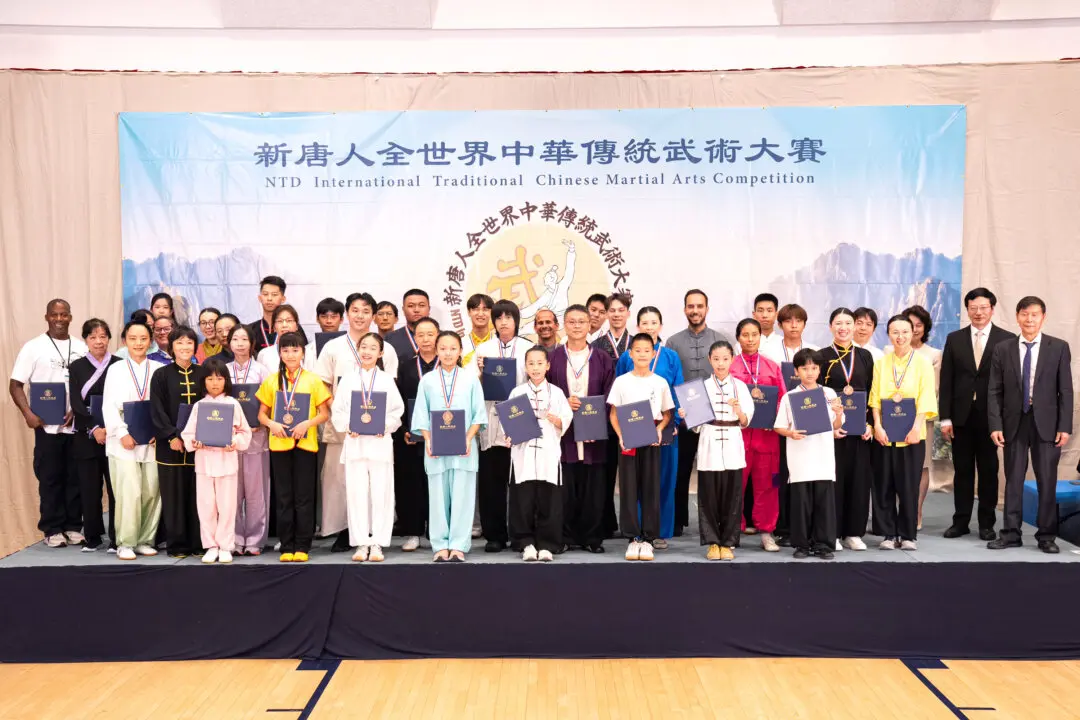
Competitors and judges at an international tournament in New York described ‘wude,’ or martial virtue, as discipline, humility, restraint, and respect.
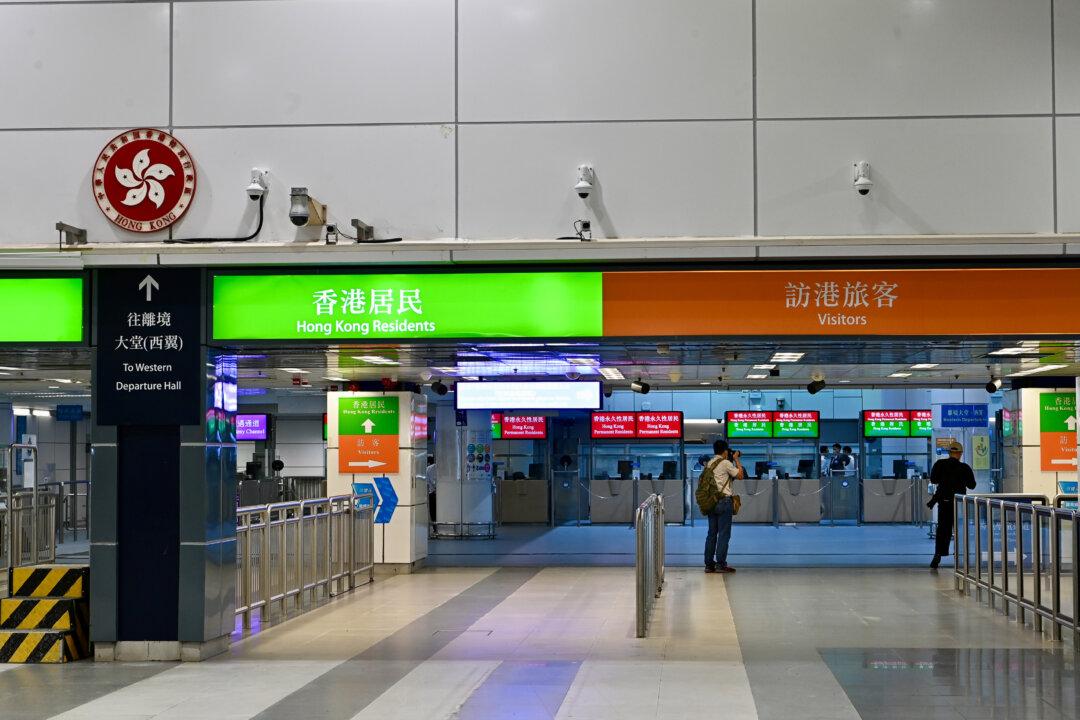
Travelers say Chinese authorities inspect or confiscate books from Hong Kong, including historical and educational material.
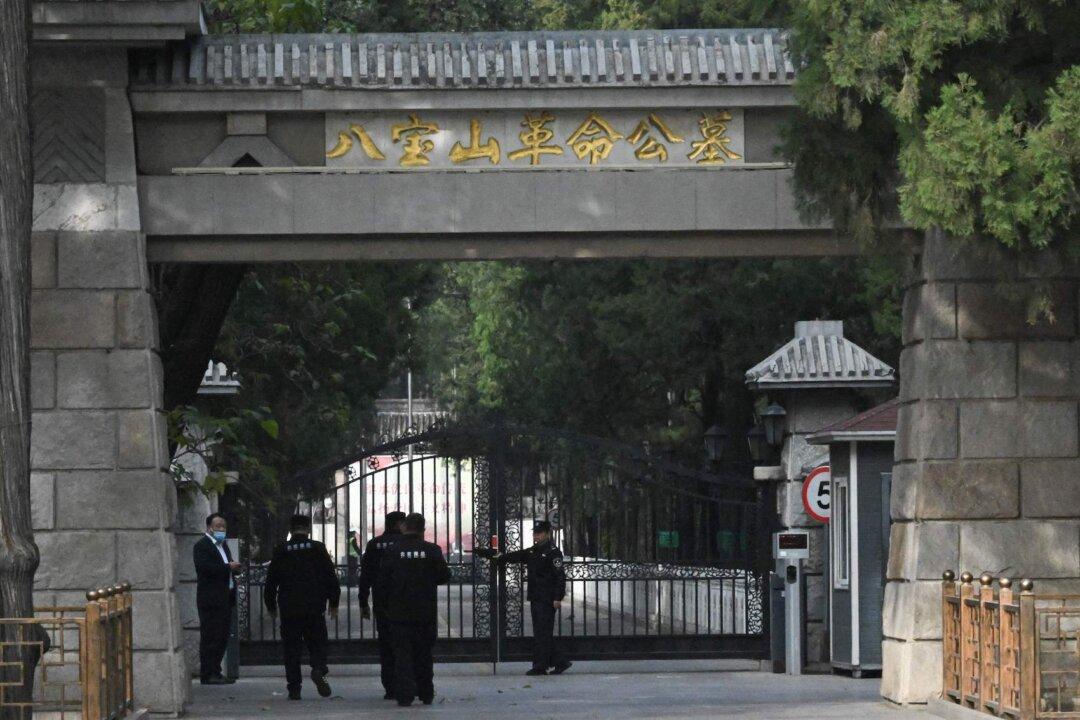
Authorities restrict access around Babaoshan cemetery amid reports of efforts to curb public mourning and prevent broader expressions of discontent.
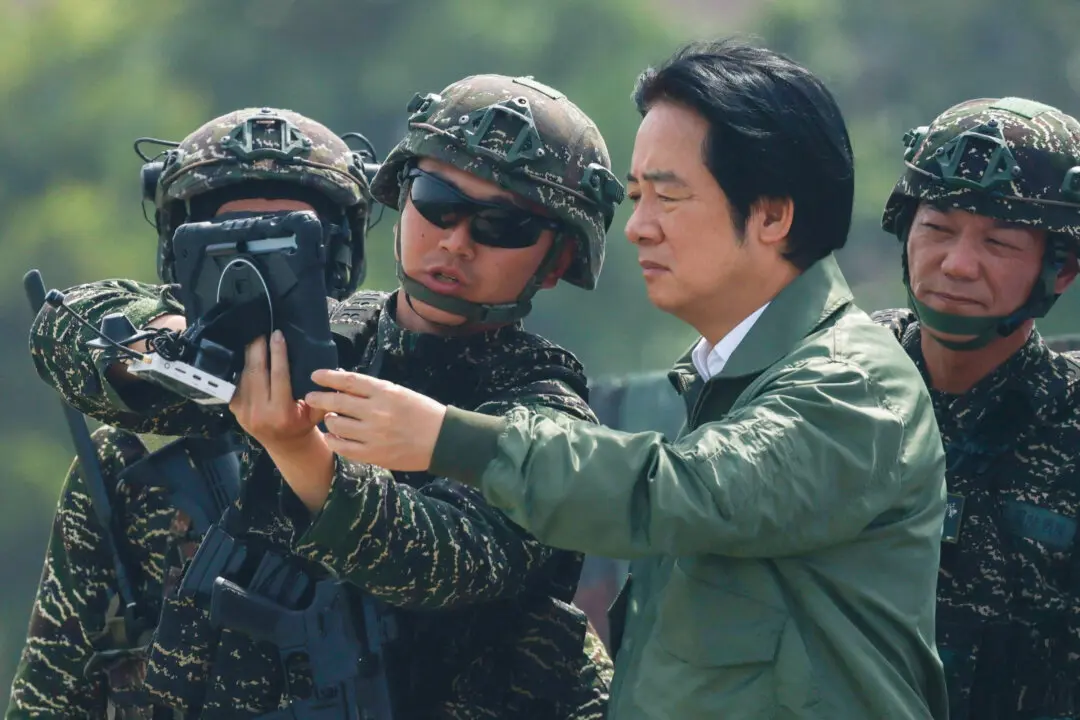
Defense budget in 2027 would exceed 3 percent of gross domestic product, President Lai Ching-te says.
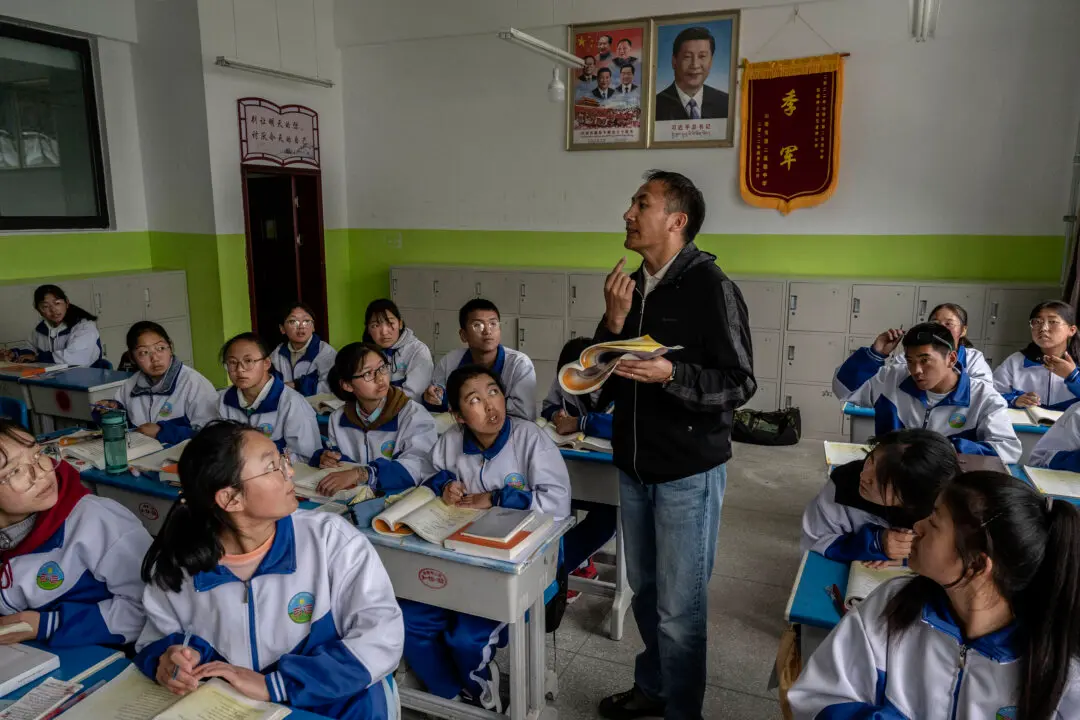
Chinese organizers subsidize curated trips, publish testimonials, and encourage visiting American students to promote their experiences at home.
The lawmakers have called Uganda’s action a ‘clear act of coerced discrimination.’
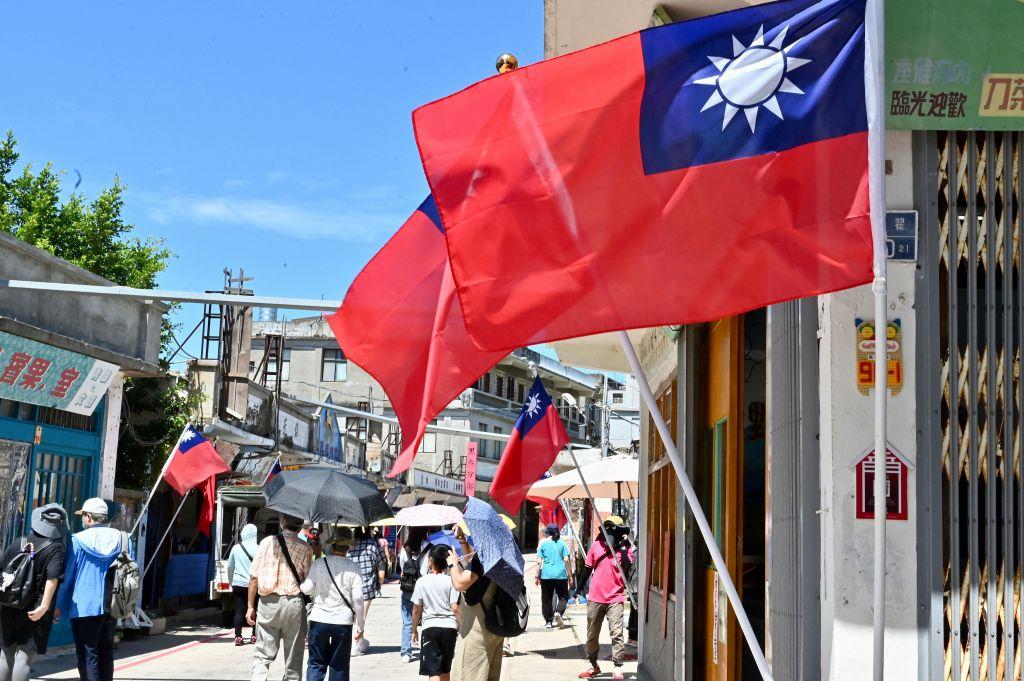
Insiders say the campaign targets alleged bribery and judicial corruption while helping authorities recover assets and consolidate political control.
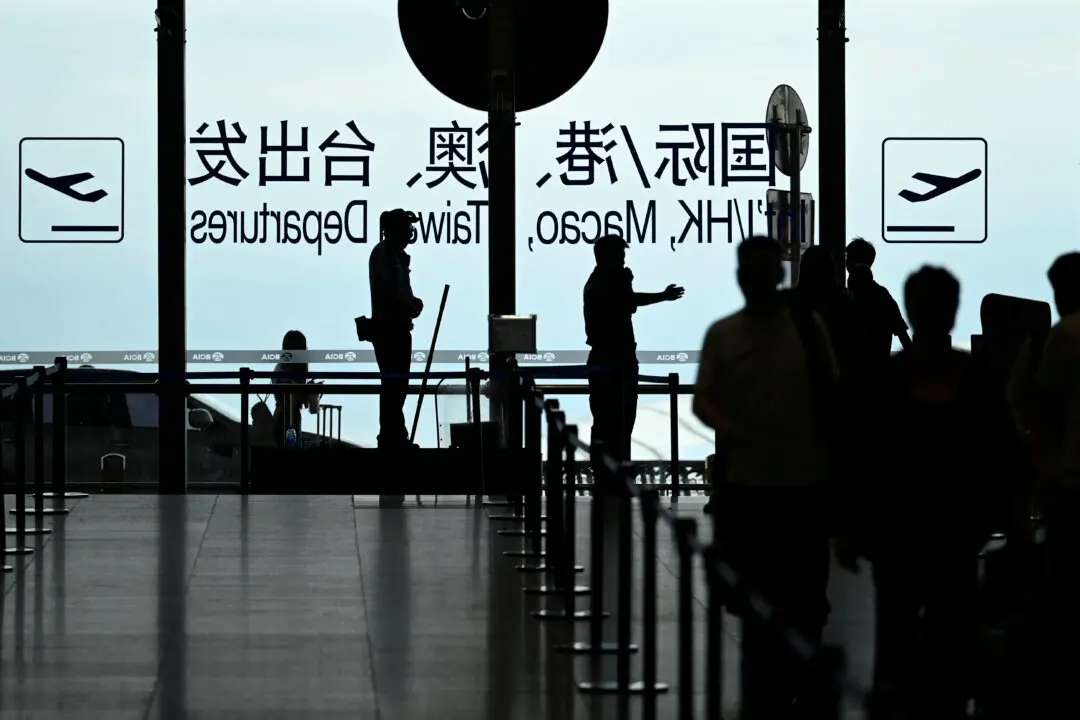
Putin’s visit to the strategically important Kuril Islands is a China–Russia strategy to counter the U.S.–Japan alliance in the region, analysts said.
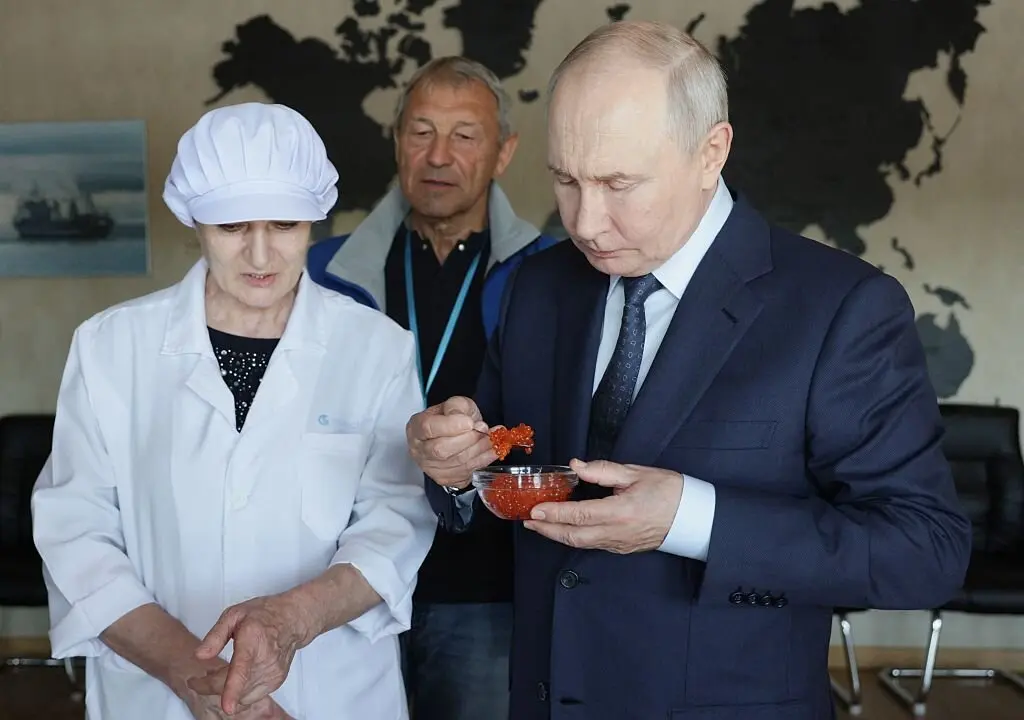
‘They worked with a local company that was likely unaware of the equipment’s capability to collect intelligence of military value,’ said NZ’s spy agency.

Established companies across manufacturing, technology, cosmetics, and pharmaceuticals are struggling with weaker demand, delayed payments, and tighter finance.
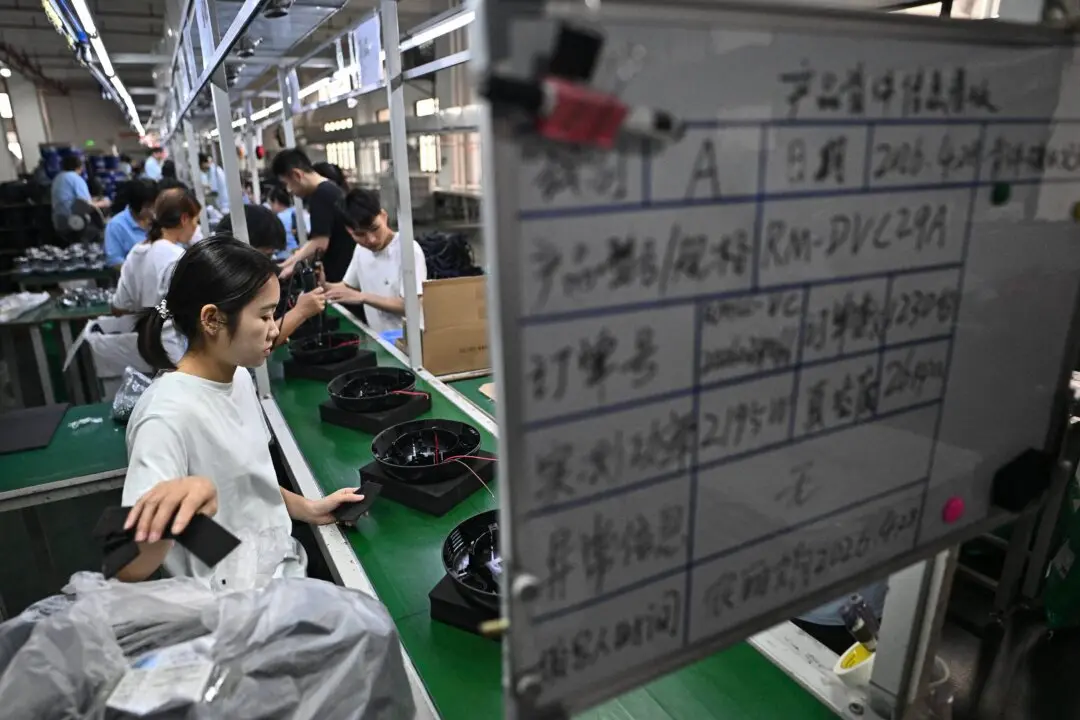
China has held its first naval operation with the Indonesian navy off Taiwan’s east coast, drawing condemnation from Taipei.

Veteran journalist Gao Yu said security officers warned her not to write further about Zhu, as personnel and barriers restricted mourners at his ancestral home.
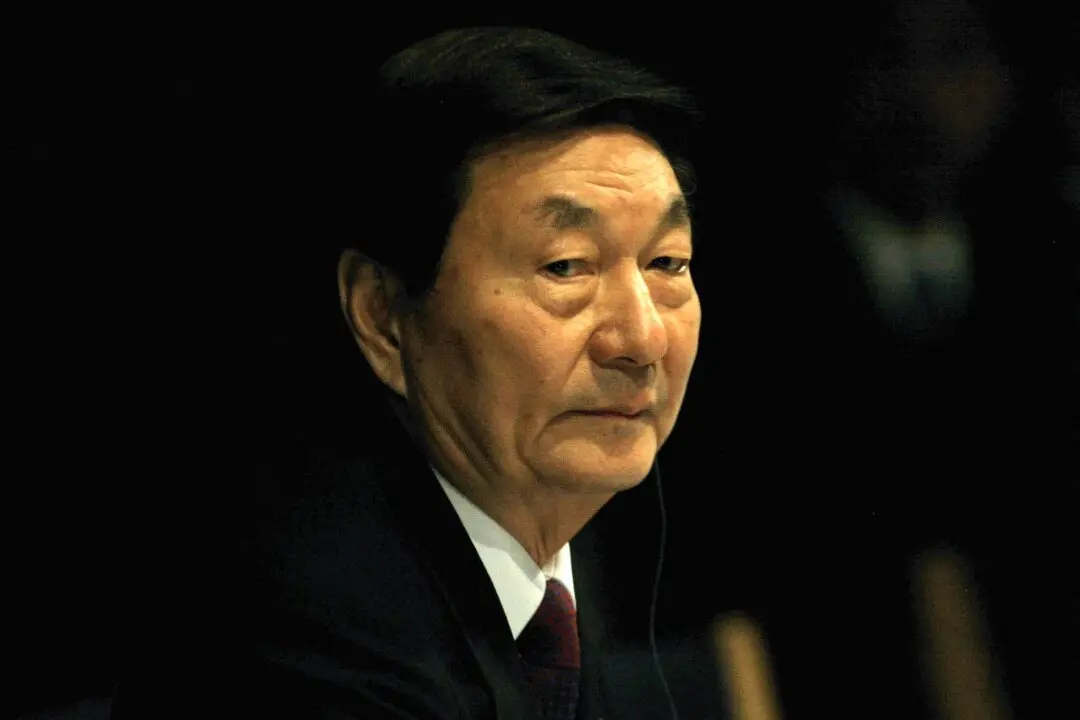
China experts say the agency’s report reflects a hardening in New Zealand’s posture toward Beijing.
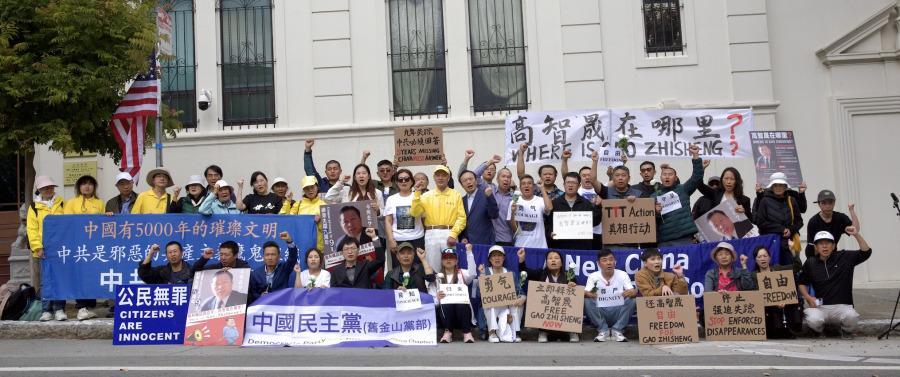
Gao Zhisheng’s wife and supporters gathered in San Francisco to demand his release and an end to the persecution of his family.
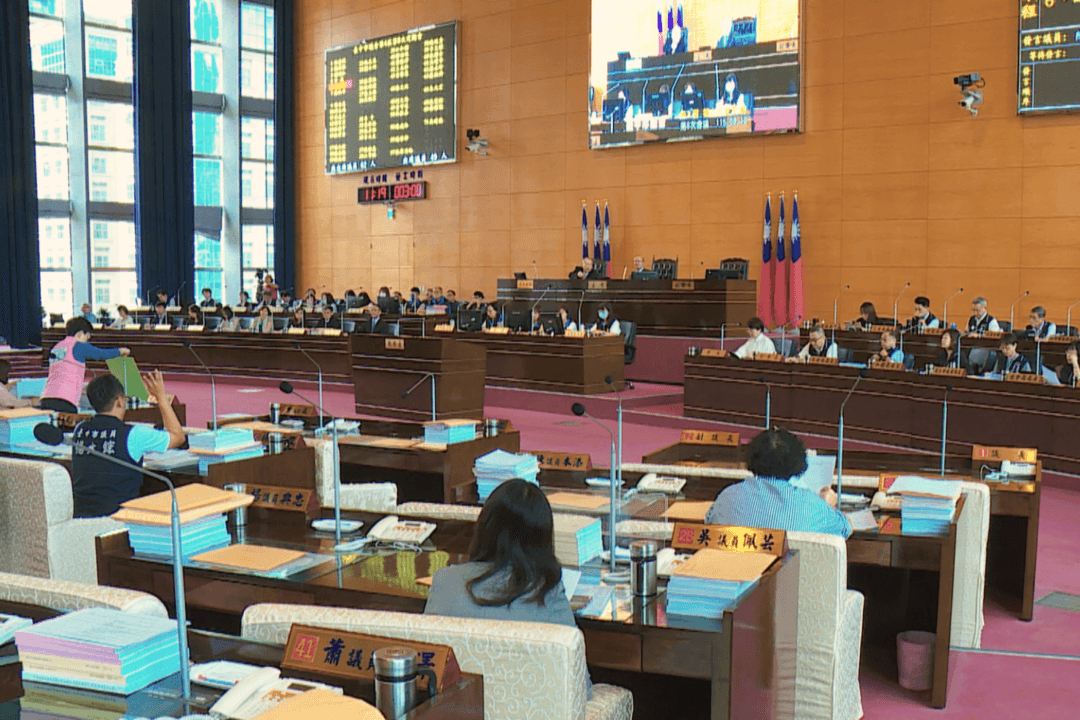
The motion also addresses the importance of showing the Canadian documentary ‘State Organs.’
The observatory worked with a local company, likely unaware that the equipment could collect intelligence of military value, said the security agency.

The CCP’s current focus is still on pursuing trade surplus and earning more U.S. dollars, says a source within the CCP’s system.
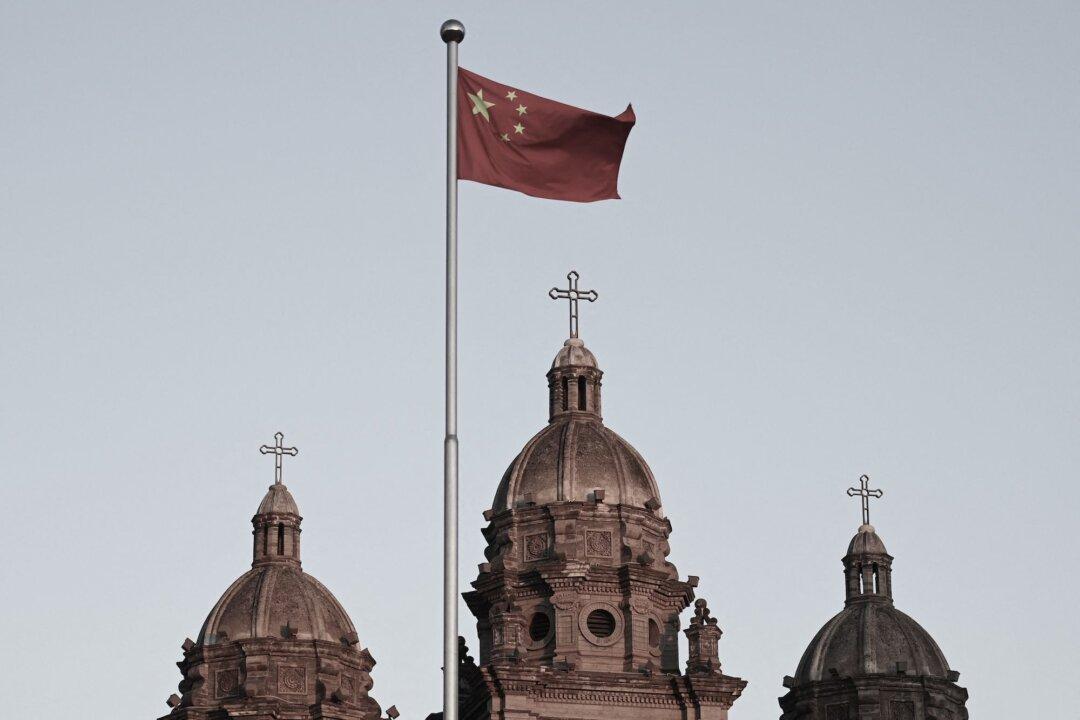
A Chengdu hospital ordered all employees to disclose their religious beliefs, while schools collect information on students’ and parents’ religious beliefs.
Experts said the yuan won’t be able to displace the U.S. dollar.