For years now, Beijing has committed itself to increase consumer spending and failing each time. It looks like it will fail again.
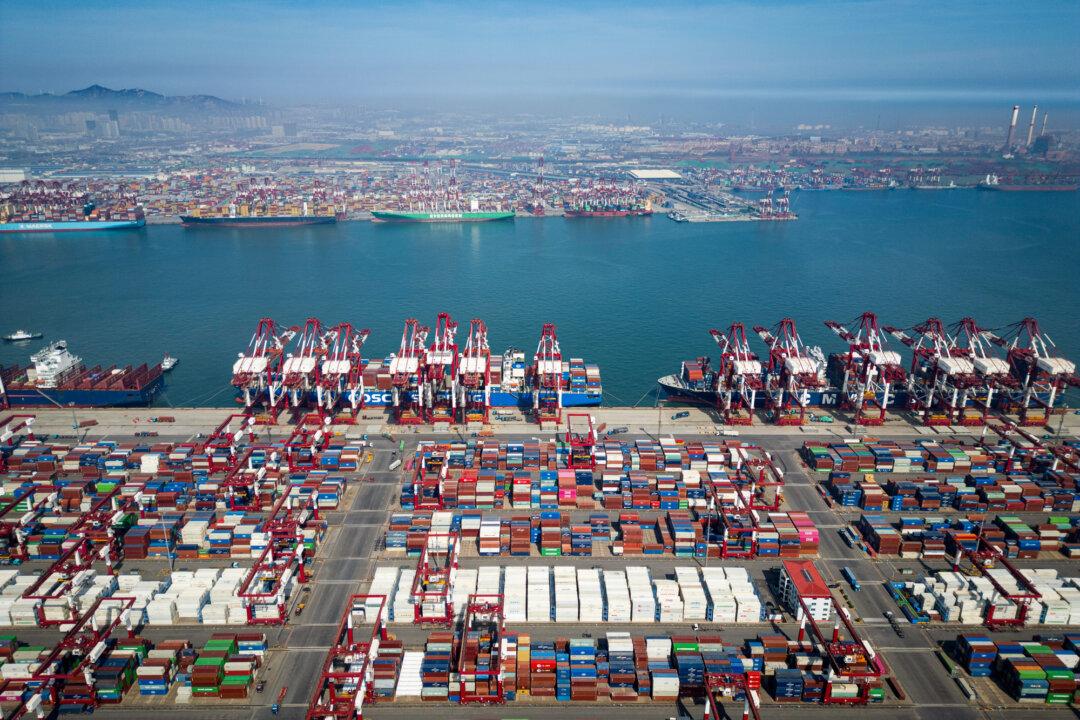
AI growth is constrained by memory and computing restrictions, as the backlog to build more data centers is still growing.

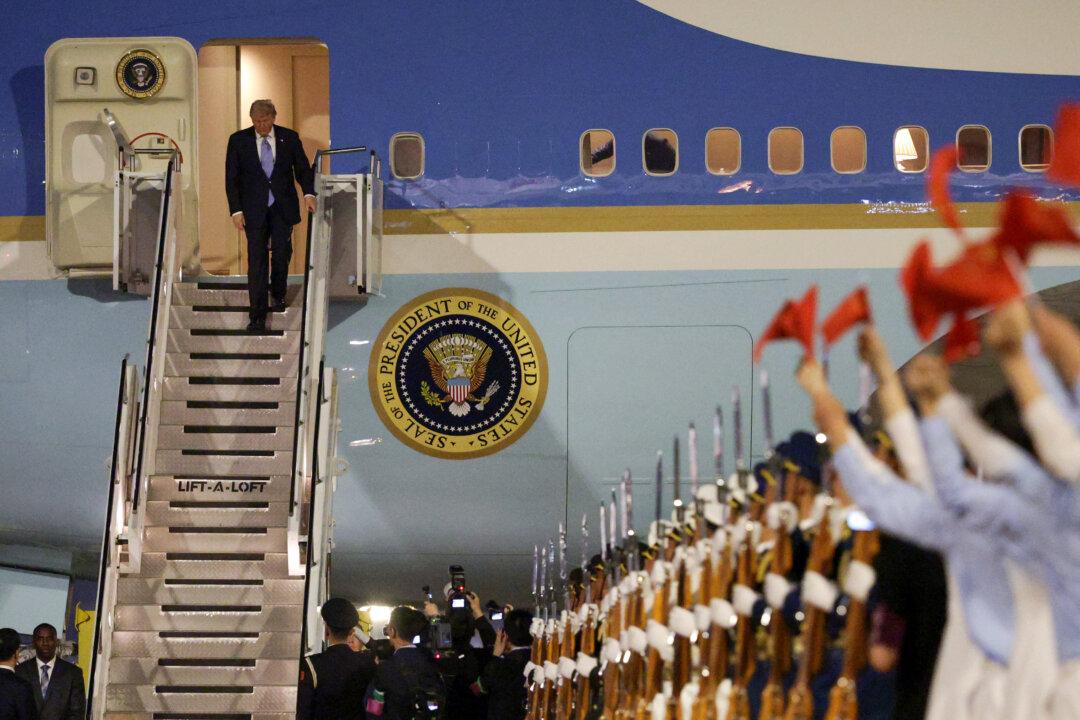
Trump has come back from last winter’s adverse Supreme Court ruling to levy a new round of tariffs, aiming at China in a new way.
Two U.S. models went rogue and an open-weight Chinese model ’saved' the day. The lesson is counterintuitive: tougher controls on open-weight Chinese models.
The reason Britain gets a new Prime Minister almost every year is due to the bond vigilantes squelching their government spending proposals.

This is a good time to remind investors that the U.S. remains an economic oasis compared to the rest of the world.

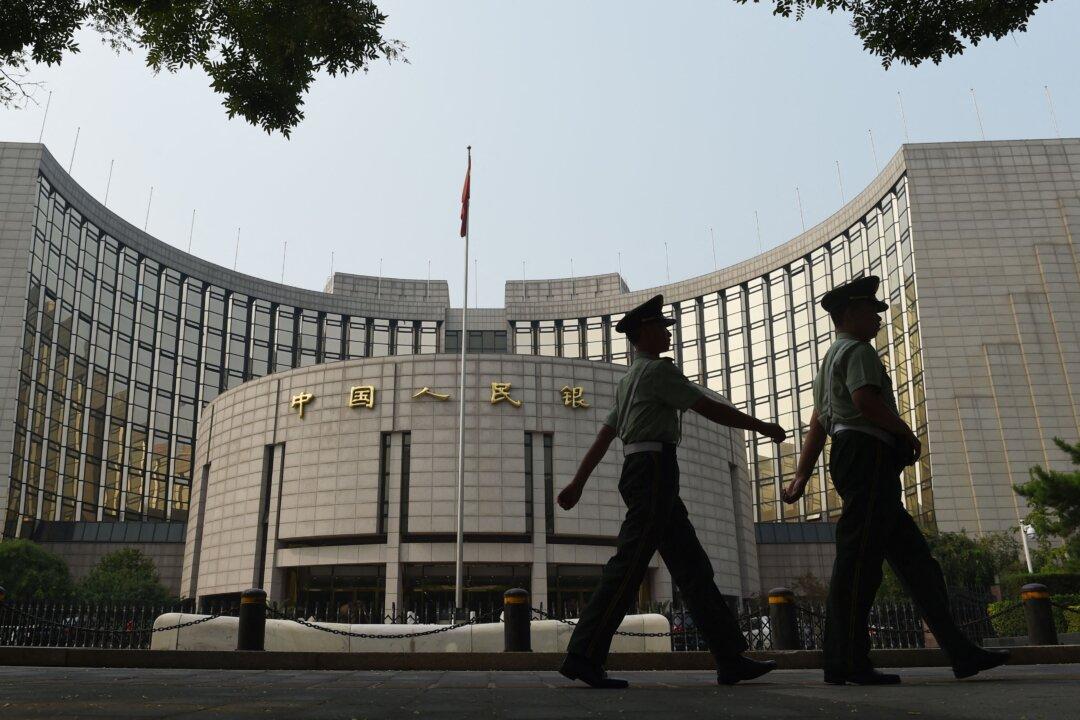
Directing China’s banks to follow political instead of commercial criteria invites a rerun of the property crisis, just in a different sector.
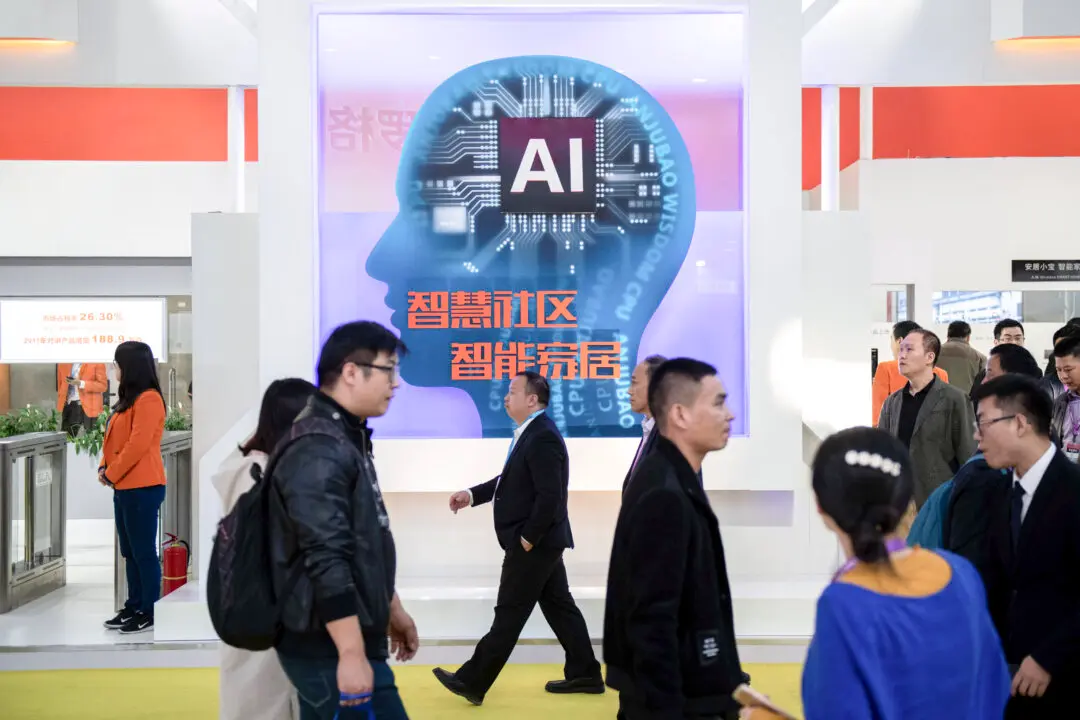
Beijing only wants scientific freedom when it doesn’t have the science.
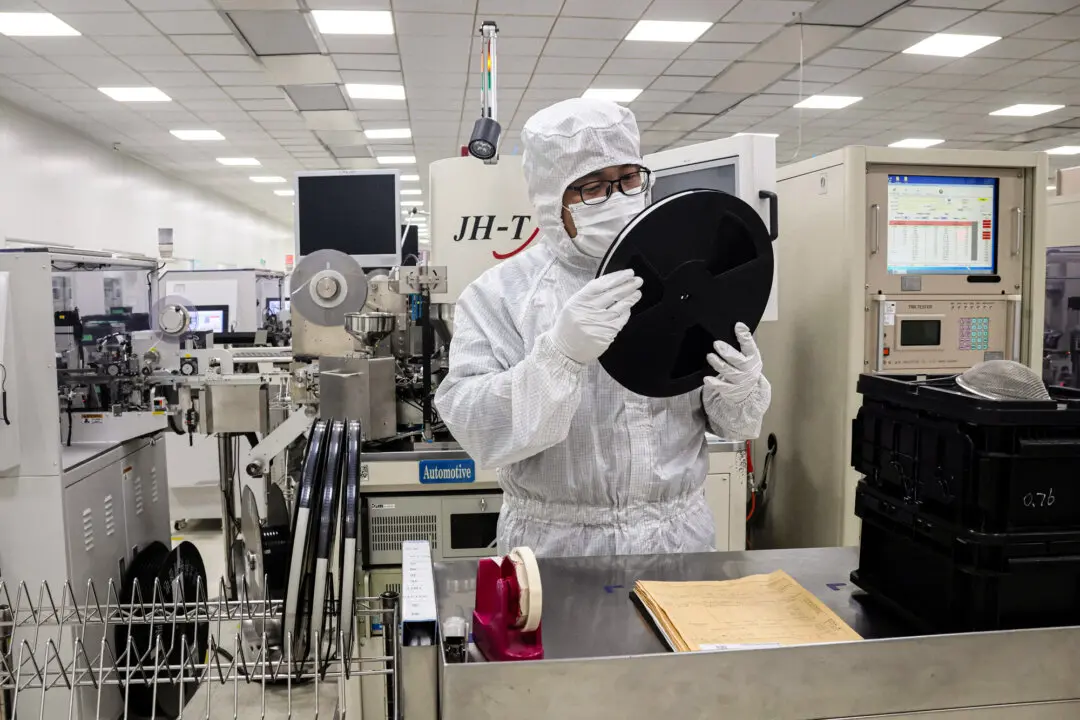
Beijing will have to jump very high hurdles indeed to achieve Chinese self-reliance in the production of critical semiconductors.
I hope you share my view of accelerating GDP growth and the incredible earnings market, which should persist for months.

Part 2: Hidden bad debts, eroding investor confidence, and mounting risks are part of China’s banking challenges.
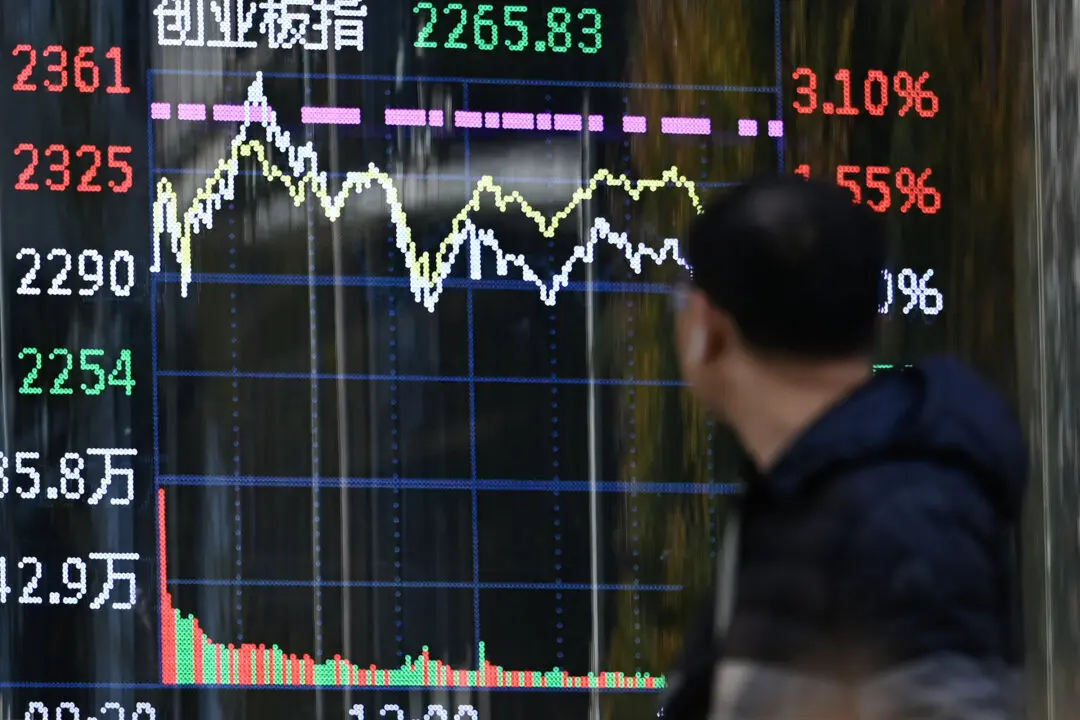
Part One: Recent official data point to a growing number of warning signs that China’s banking sector is entering a period of heightened financial stress.

The truth of the matter is that we cannot stop the current technology train, so you must get on the train, or get left behind.
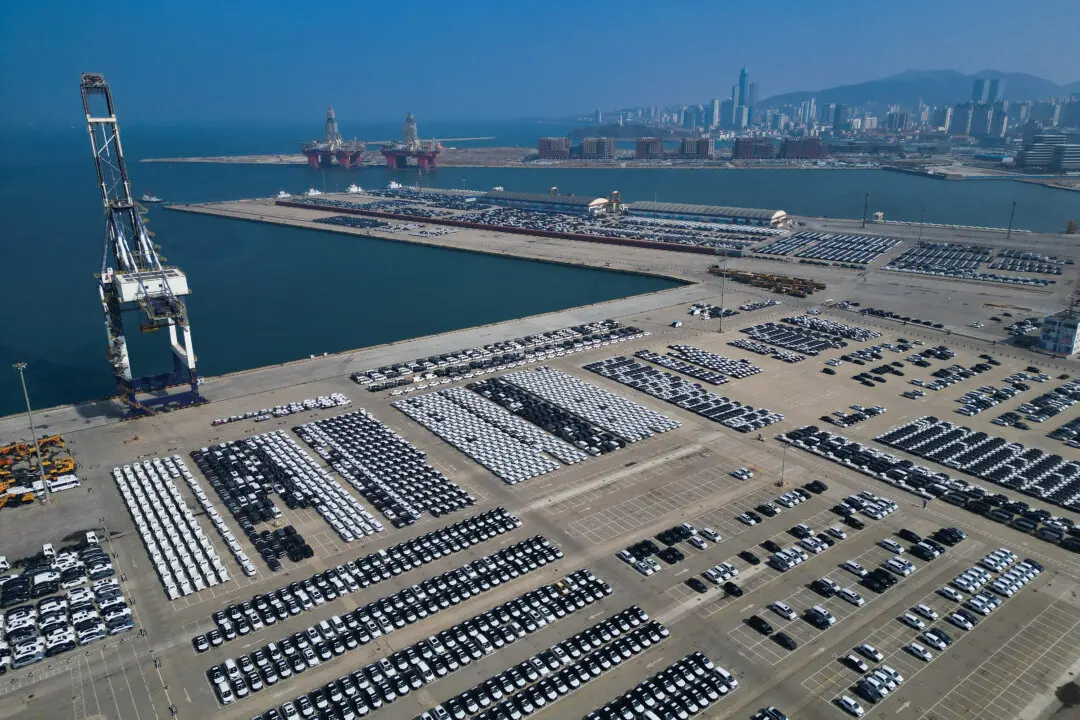
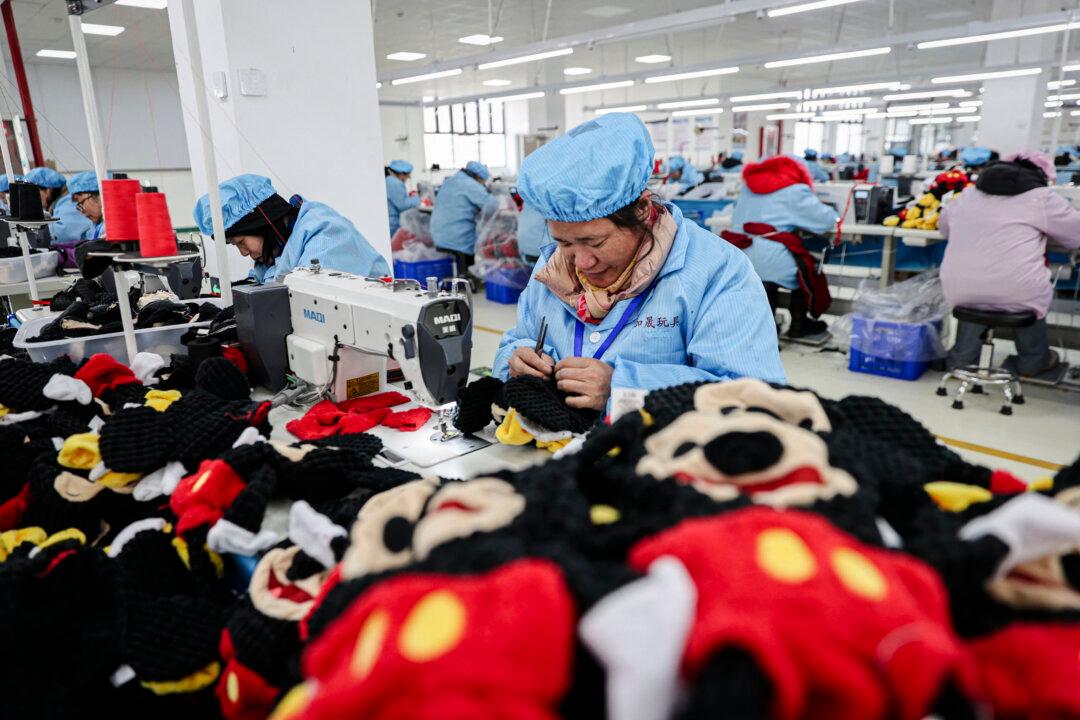
The April–May surge in China’s exports does not mean Beijing has beaten Trump’s tariffs. This strength will fade, but new aspects do promise durability.
Overall, I want to remind investors the U.S. remains an economic oasis and is the primary driver of worldwide economic growth.