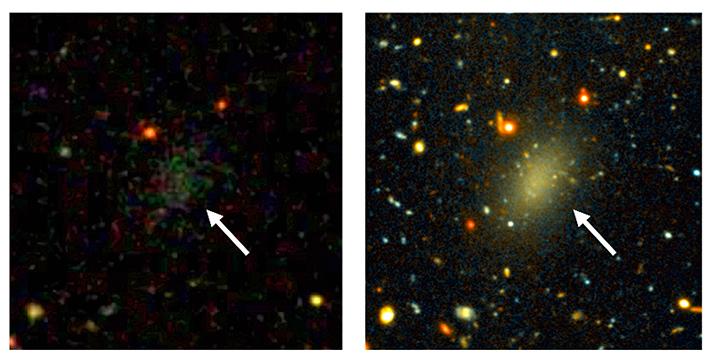
A new study urges scientists to move their focus from species extinction to species rarity in order to recognize—and avoid—a mass extinction in the modern world.
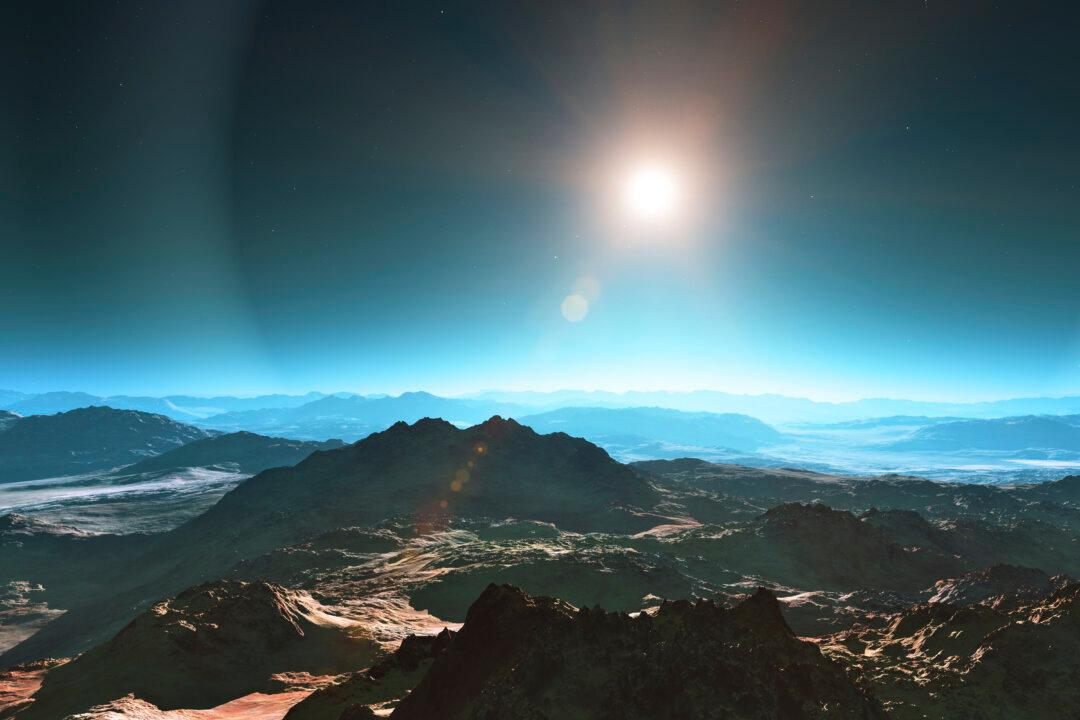
The shape of a lost habitat goes a long way toward predicting the future of species extinction and biodiversity, according to a new study.

Astronomers have found a galaxy with a heartbeat—and they’ve taken its pulse.
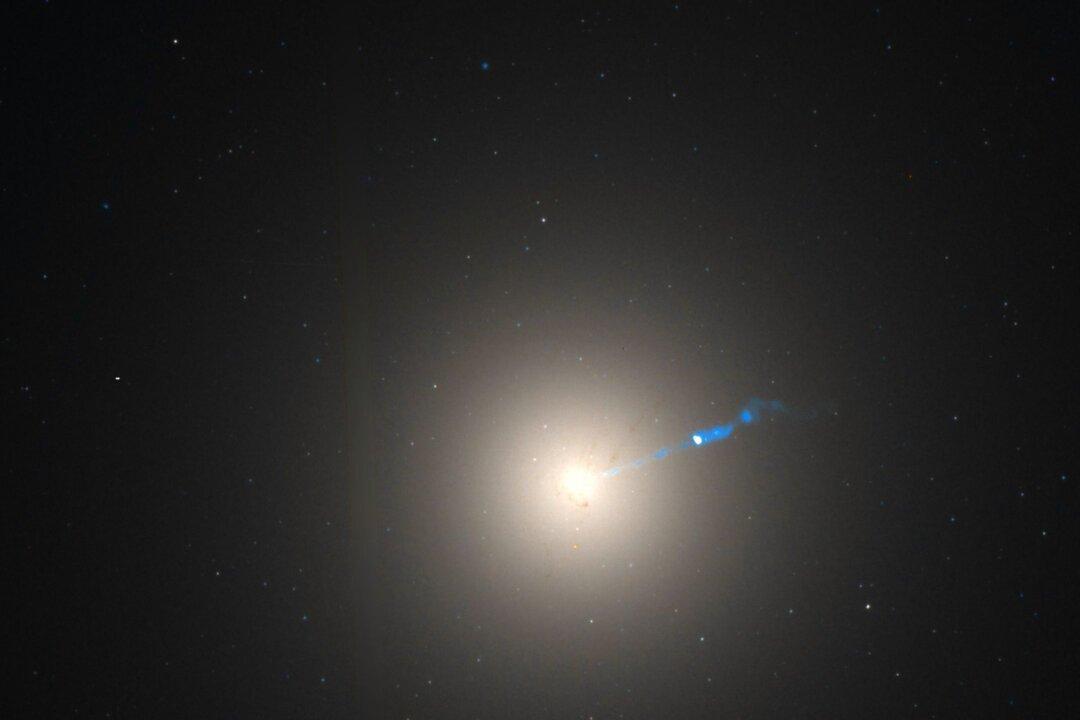
To answer a 40-year-old question about Arctic ice thickness, scientists have treated the ice floes of the frozen seas like colliding molecules in a fluid or gas.

The economic gap between the rich and poor becomes even wider when the inequality becomes visible, report researchers.

Powerful cosmic winds can blow through galaxies, sweeping out interstellar material and stopping future star formation.
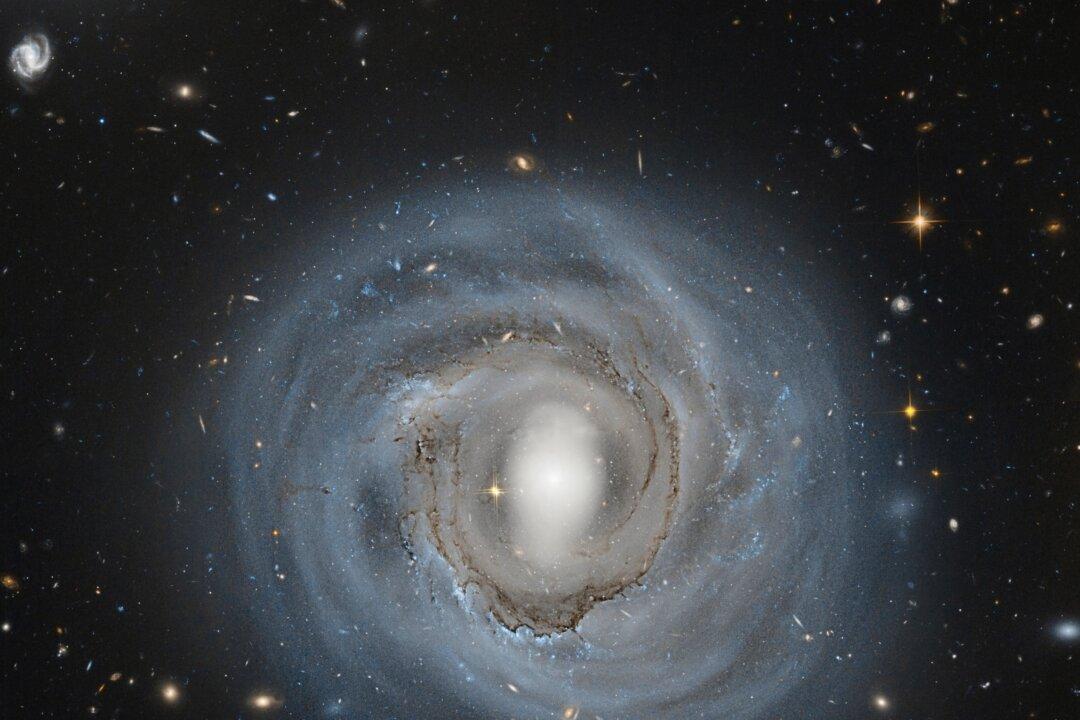
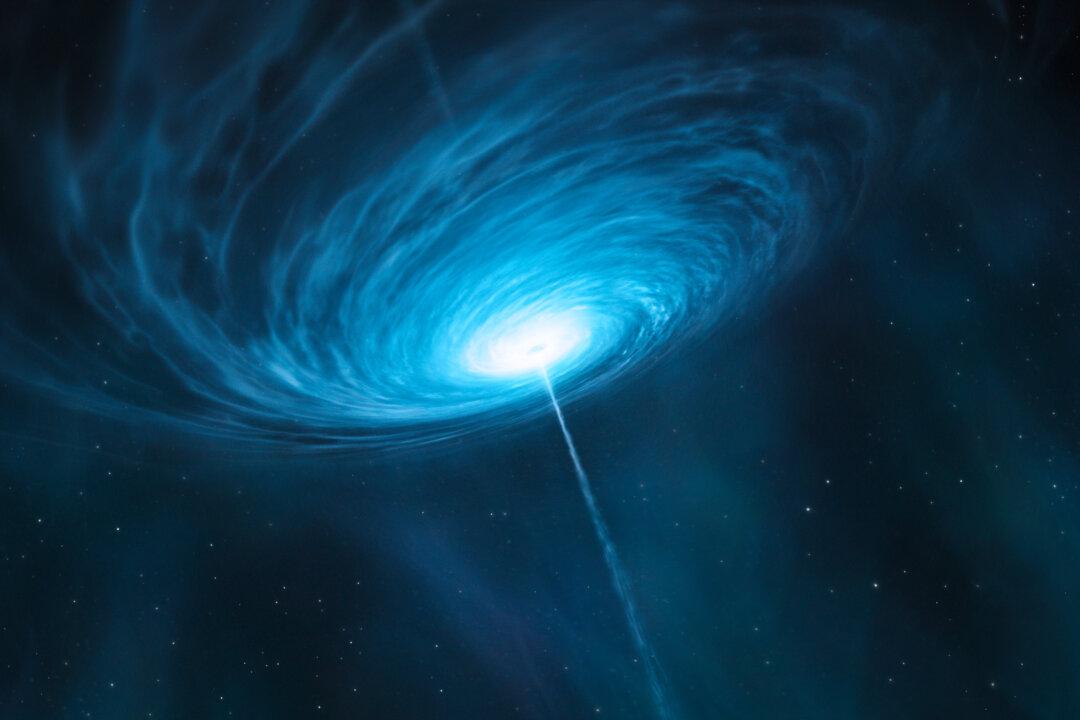
Quasars emit a light as bright as that of one trillion stars. Scientists think they get their energy from supermassive black holes.
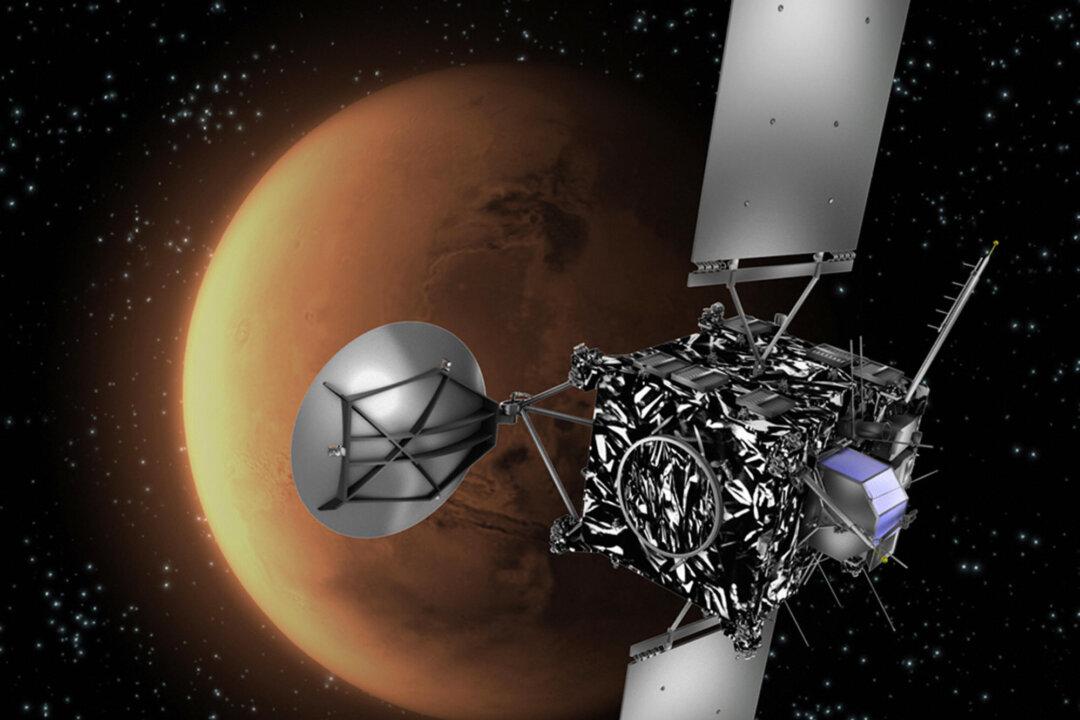
Traces of methane have been discovered in Martian meteorites, causing researchers to speculate if that methane could feed microbe-like creatures on the Red Planet.
A new study urges scientists to move their focus from species extinction to species rarity in order to recognize—and avoid—a mass extinction in the modern world.
The shape of a lost habitat goes a long way toward predicting the future of species extinction and biodiversity, according to a new study.
Astronomers have found a galaxy with a heartbeat—and they’ve taken its pulse.
To answer a 40-year-old question about Arctic ice thickness, scientists have treated the ice floes of the frozen seas like colliding molecules in a fluid or gas.
The economic gap between the rich and poor becomes even wider when the inequality becomes visible, report researchers.
Powerful cosmic winds can blow through galaxies, sweeping out interstellar material and stopping future star formation.
Quasars emit a light as bright as that of one trillion stars. Scientists think they get their energy from supermassive black holes.
Traces of methane have been discovered in Martian meteorites, causing researchers to speculate if that methane could feed microbe-like creatures on the Red Planet.