A majority of MPs in the House of Commons have asked the government to table a budget or economic update this spring, in a first vote of significance lost by the minority Liberals.
The vote took place on June 2, with 166 in favour and 164 opposed. Budgets are typically released in the spring, but the new government said it would be delayed until the fall.
The result of the vote is non-binding, a fact highlighted by cabinet ministers who commented on the matter. The vote was on amending the House of Commons’ reply to King Charles III and his speech from the throne delivered on May 27, which outlined the government’s agenda for the parliamentary session.
The vote came about with the Conservatives proposing an amendment to the address in reply, requesting the government provide a “firm commitment” to present an economic update or budget prior to Parliament’s summer adjournment.
The Bloc and NDP added language on Quebec and indigenous peoples, with the final text reading that the budget or update should incorporate “measures aimed at unleashing Canada’s economic potential, including full accountability of Canada’s finances, with respect for the areas of jurisdiction and the institutions of Quebec and the provinces, as well as Indigenous peoples.”
A total of 166 MPs from the Conservatives, Bloc Québécois, New Democrats, and the Green Party voted in favour of the amendment, while 164 Liberals voted against. Four Liberal MPs, three Conservative MPs, and one Bloc MP “paired” their votes, meaning they made arrangements with opposing parties to abstain from voting so that the overall outcome of the vote would not be impacted by their absences.
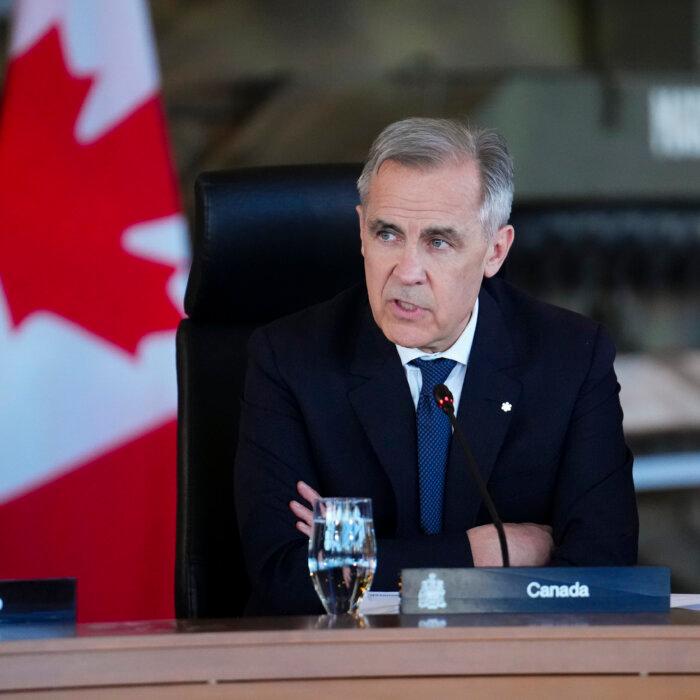
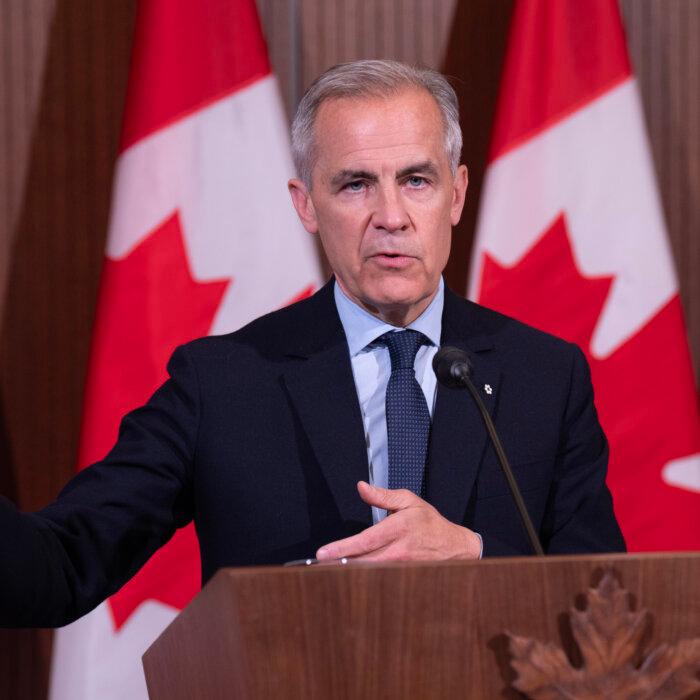
Liberal MPs said they’re not concerned about the vote result when speaking to reporters before a cabinet meeting on June 3.
“We knew the outcome of what that vote was going to be,” said Chief Government Whip Mark Gerretsen. “We have 169 members, one is the Speaker, and we had four people paired. It’s 100 percent efficiency in terms of our vote turnout yesterday.”
Government House leader Steven MacKinnon noted that the vote was non-binding and said “I suspect you’re going to see a lot more of them.” He added that the vote that really matters is the confidence motion on adopting the throne speech, set for June 4.
Justice Minister Sean Fraser said the Liberals were in “new territory” with a minority government with a “very thin margin depending on which parties may side with the government or one another on any given vote.”
“I try not to bake feelings into these things,” he said when asked about how he feels about the result. “They’re math challenges, not problems with feelings. But we have to make sure that we do the work necessary to try to collaborate with parties across the aisle in order to implement the mandate that Canadians have given us.”
“How much bigger will the deficit be? How much will that cost taxpayers? Who’s getting rich off government contracts? Canadians have a right to know,” he said in a social media post following the vote.
Carney told reporters on April 21 that the platform signalled a “fundamentally different approach” to respond to U.S. tariffs, which he labelled “the worst crisis of our lifetimes.”