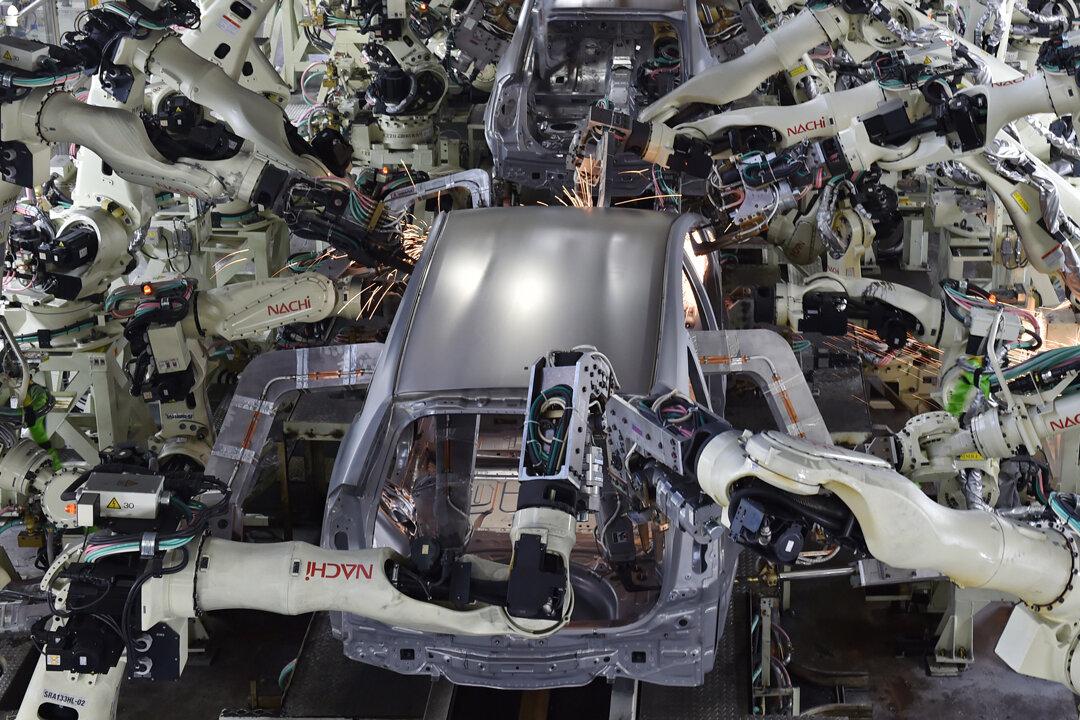
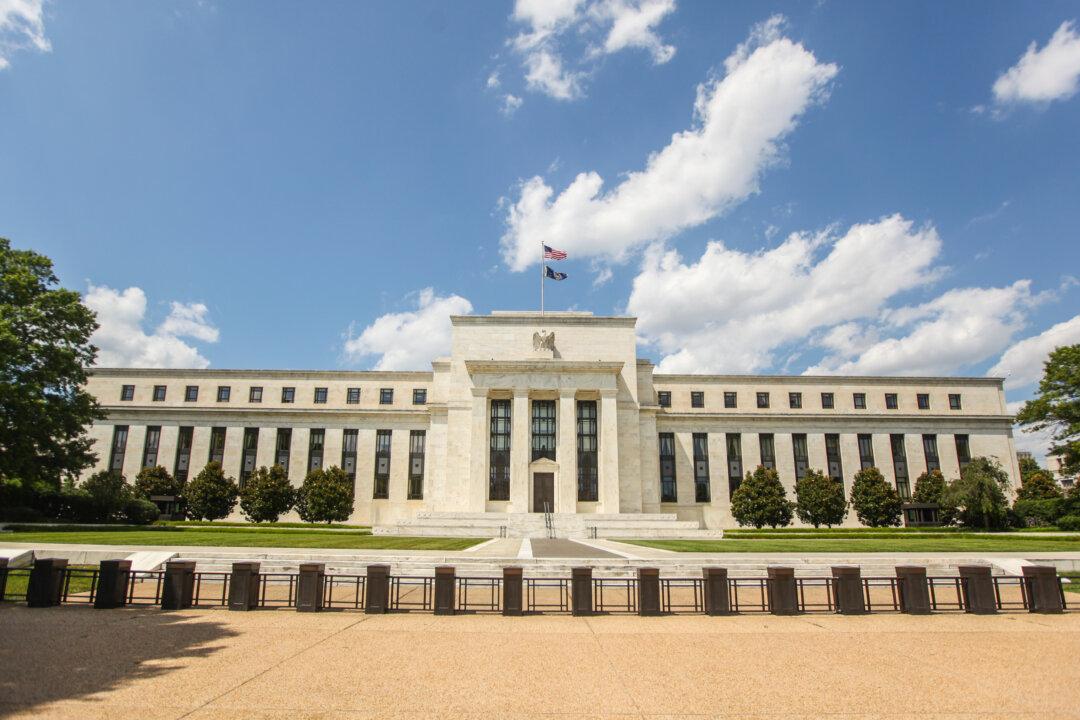
Mainstream economics is under heavy pressure. Consistently wrong policies and forecasts have damaged the field dubbed “the dismal science.” But what do critics propose should supersede the prevailing neo-Keynesian and neoclassical schools? Almost all alternative economists are calling for more government involvement to “fix” the free market and make it work better.
But there is one school of economics, once prevalent in academia until it was pushed into obscurity, that places the power to fix the world’s problems in the hands of the people.
“Economists err if they forget that economic life existed before them and that it operates, for the most part, independently of them,” American economist Peter J. Boettke wrote in his book “Living Economics.”
Economics was once tasked with describing how man manages the world’s scarce resources, a process far older than economics as a science. But it has morphed into a field that blames the individual and reality for not measuring up to its theories, and then uses the coercive power of the state in an attempt to shape individuals and reality according to its ends.
The Austrian school of economics, the once dominant school of economic thought at the turn of the 19th century, focuses on the individual—and his or her actions and motivations—to explain economic life. It derives its name from the many scholars from Austria who developed 19th-century classic liberalism into a coherent explanation of economic life.
“Economics is in reality very simple. It functions in the same way that it did thousands of years ago. People come together to voluntarily engage in commerce with one another for their mutual benefit. People specialize and divide work among themselves to advance their condition,” writes modern Austrian economist Philipp Bagus in his book “Blind Robbery!”
Reason Versus Force
A bedrock principle of this understanding is that exchange should occur voluntarily and not under the coercion of the state or any other party. If exchange is voluntary, the individual or company must offer something of value if it wants to obtain something of value.
This premise encourages innovative, creative, and productive behavior. It also forces individuals to think about what their fellow humans may appreciate or need. Every decision to allocate capital and labor needs to stand the test of reason, argument, and negotiation.
On aggregate, this decision-making process is much more elaborate and prudent than any central planning decision, which must use force to compel its subjects.
“Production is directed either by profit-seeking businessmen or by the decisions of a director to whom supreme and exclusive power is entrusted. . . . The question is: Who should be master, the consumers or the director?” Austrian school economist Ludwig von Mises (1881-1973) writes in his book “Human Action.”
Skin in the Game
This approach to economics can do without the complex mathematical models of the current schools because it admits that perfection doesn’t exist. There is no equilibrium. Things aren’t perfect, but the best possible solution to economic problems will be found by private individuals acting voluntarily, each assessing new situations for themselves.

(1899–1992), Austrian school economist.