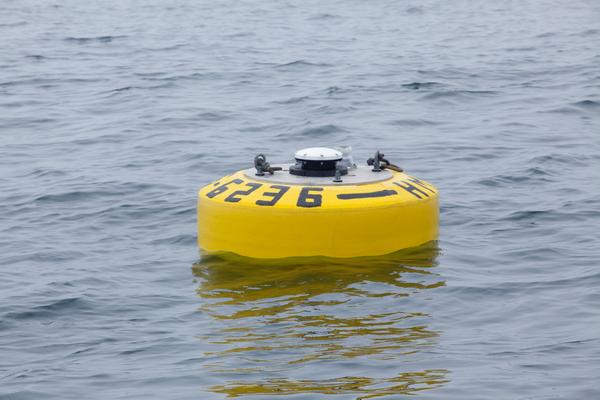
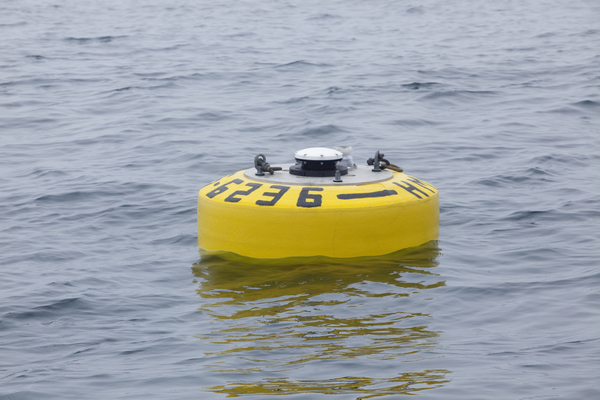
A solar-powered surfing robot off the California coast is producing acoustic live feeds of important marine animals like great white sharks to raise awareness of the ocean wilderness.
Called Wave Glider, the robot is part of the “Blue Serengeti Initiative,” which follows on from Tagging of Pacific Predators (TOPP). The project tracked over 4,000 migrating animals, like whales, turtles, and seabirds, and found the North American West Coast to be a significant hotspot for animals journeying through the Pacific.
Key locations have been identified for a network of detection buoys that link to tags on animals passing up to 1,000 feet away which researchers and the public can tune into.
“My mission is to protect ocean biodiversity and the open sea,” said research leader Barbara Block at the University of Stanford in a press release.
Block hopes the area will become a United Nations World Heritage Site. “This place is one of the last wild places left on Earth,” she said.
“Our goal is to use revolutionary technology that increases our capacity to observe our oceans and census populations, improve fisheries management models, and monitor animal responses to climate change.”
The network could eventually cover the entire west coast of North America, tracking a range of animals from young salmon to mako sharks.