WASHINGTON/LONDON—The United States and Britain on Tuesday imposed restrictions on carry-on electronic devices on planes coming from certain airports in Muslim-majority countries in the Middle East and North Africa in response to unspecified security threats.
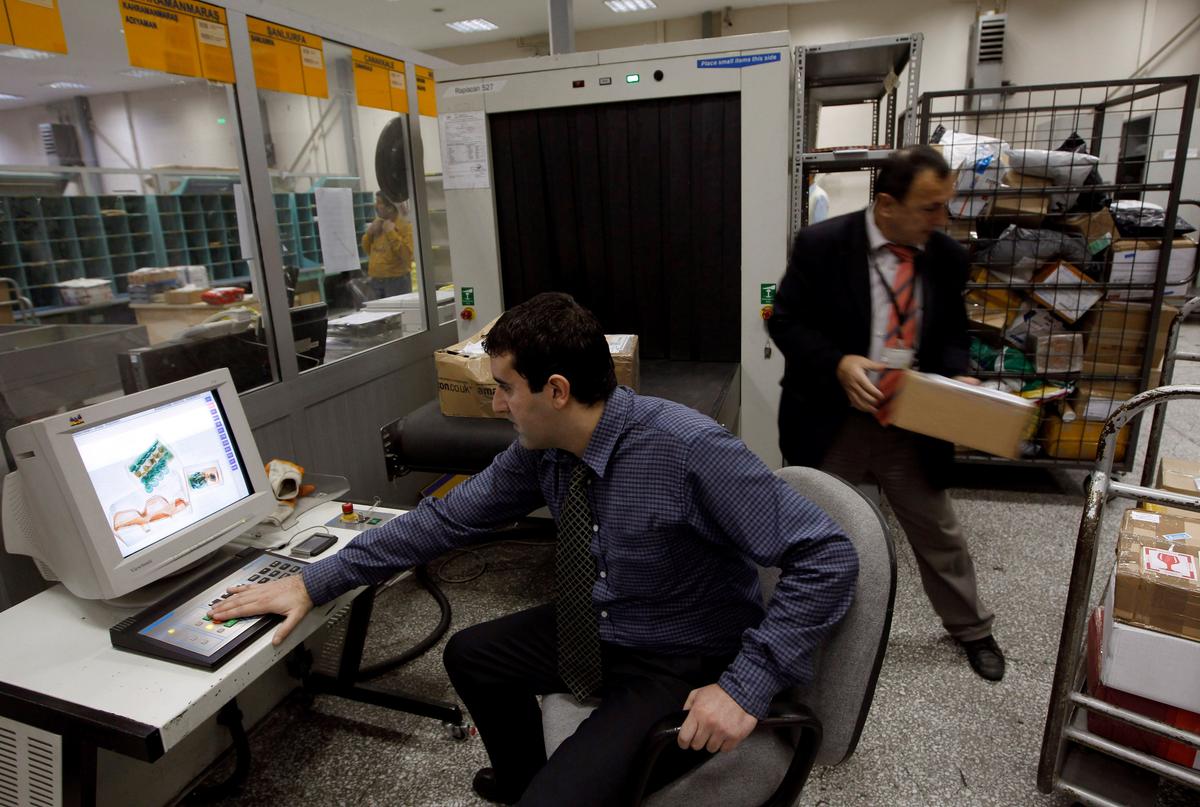
The U.S. Department of Homeland Security said passengers traveling from those airports could not bring devices such as tablets, portable DVD players, laptops and cameras into the main cabin that are larger than a mobile phone. Instead, such items must be in checked baggage.
Britain took similar steps, with a spokesman for Prime Minister Theresa May saying that there would be curbs on electronic items in the main cabin on flights from six countries in the Middle East.
The moves were prompted by reports that militant groups want to smuggle explosive devices inside electronic gadgets, U.S. officials told reporters on a conference call on Monday.
“The U.S. government is concerned about terrorists’ ongoing interest in targeting commercial aviation, including transportation hubs over the past two years,” a U.S. counter-terrorism official said in a statement.
“Our information indicates that terrorist groups’ efforts to execute an attack against the aviation sector are intensifying.”
The airports covered by the U.S. restrictions are in Cairo; Istanbul; Kuwait City; Doha, Qatar; Casablanca, Morocco; Amman, Jordan; Riyadh and Jeddah, Saudi Arabia; and Dubai and Abu Dhabi in United Arab Emirates.
Officials said the decision had nothing to do with President Donald Trump’s efforts to impose a travel ban on citizens of six majority-Muslim nations. DHS spokeswoman Gillian Christensen said the government “did not target specific nations. We relied upon evaluated intelligence to determine which airports were affected.”
On March 6, Trump signed a revised executive order barring citizens from Iran, Libya, Syria, Somalia, Sudan and Yemen from traveling to the United States for 90 days. Two federal judges have halted parts of the ban although Trump has vowed to appeal.
While Democrats have criticized the Republican Trump’s travel ban, Representative Adam Schiff, the top Democrat on the House Intelligence committee said he backed the new precautions.