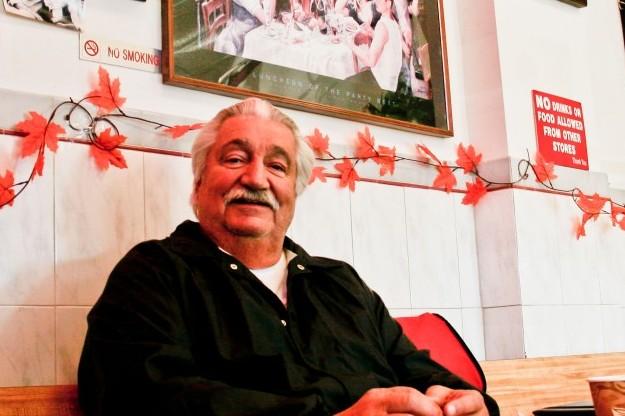
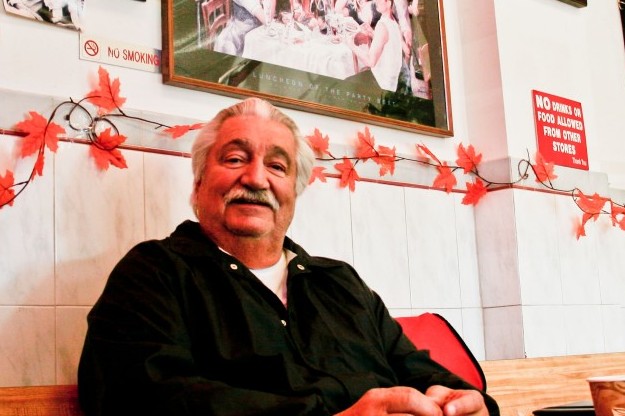
Growing up in 1940s New York, Charles Cognata recalls 20–25 family members spanning three or four generations gathering for a huge Italian feast. There were stuffed artichokes, Italian-style stuffed mushrooms, lasagna, and his personal favorite—his mother’s candied sweet potatoes.
“When it was finished, it was like a piece of candy. You could take a picture. I miss those the most.”
For a generation that had survived the Great Depression and was feeling the effects of World War II, they were truly thankful that no one was on welfare, no one was going hungry, and everyone was home safe. Thanksgiving was less about food and more about being together and reminiscing.
“Thanksgiving was a day to give thanks for what you had received. It was a family affair where we would say thanks for the year.”
Cognata has seen these traditions diminish over the years, although he has tried to instill these “old school” family values in his own children.
“At the first Thanksgiving supposedly the pilgrims and the Indians got together and appreciated what they got. That is the way Thanksgiving should be. It’s not like that now. It is commercialized.” Cognata continued, “[Now] it is just the day before Black Friday. People are going to go shopping and get the day off. It’s not the same.”