Northwest Passage Opens New Frontier, New Challenges

In a matter of decades, the Arctic will be entirely ice-free every summer and scientists are projecting that day to be sometime by the end of the 2030s.
Northwest Passage Opens New Frontier, New Challenges
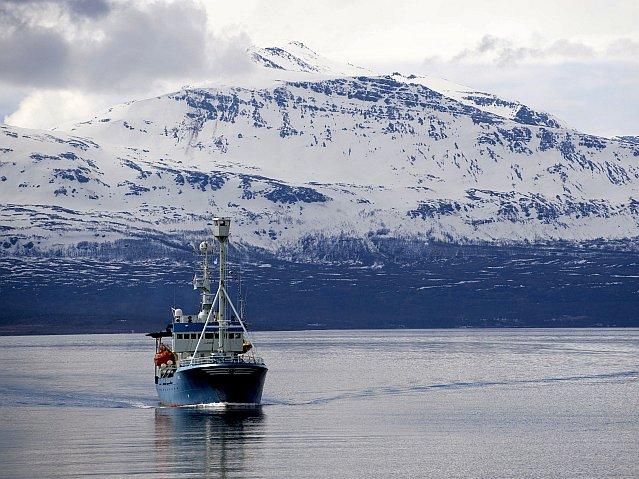
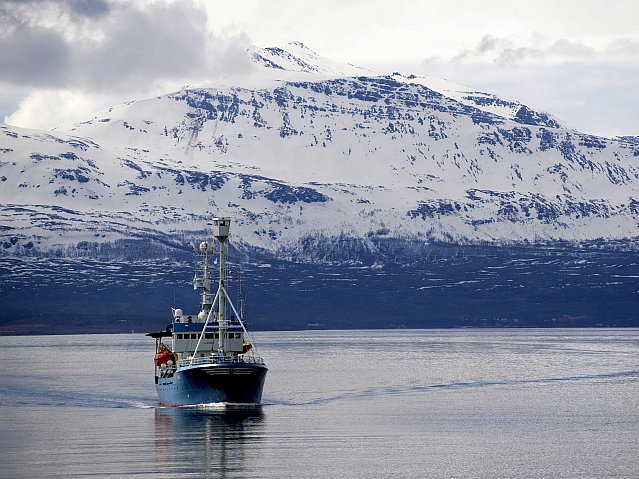
The University of Tromso's research vessel Lance follows US Secretary of State Hillary Clinton and Norway's Minister of Foreign Affairs Jonas Gahr Stoere's tour of a fjord onboard the Arctic Research Vessel Helmer Hanssen off Tromsø, Norway, in the Arctic Circle, June 2, 2012. Saul Loeb/AFP/GettyImages
|Updated:
<a><img class="size-full wp-image-1783592" title="The University of Tromso's research vess" src="https://www.theepochtimes.com/assets/uploads/2015/09/arctic.jpg" alt="" width="639" height="479"/></a>

In a matter of decades, the Arctic will be entirely ice-free every summer, something scientists are projecting will start around the end of the 2030s, according to a recent U.S. congressional report.

A combination of climate change and new sea technology is what’s making the Arctic increasingly accessible, experts say. The fabled Northwest Passage opened for shipping for the first time in the summer of 2008. Every year since, it has been open for a period of about six weeks during summer.

Commercial traffic, pleasure cruises, and adventurers are already taking advantage of the new northern route.

The Northern Sea route, also called the Northeast Passage, on the Russian side of the Arctic is also becoming available as the Arctic ice melts.


Shannon Liao
Shannon Liao
Author
Shannon Liao is a native New Yorker who attended Vassar College and the Bronx High School of Science. She writes business and tech news and is an aspiring novelist.
Related Topics